

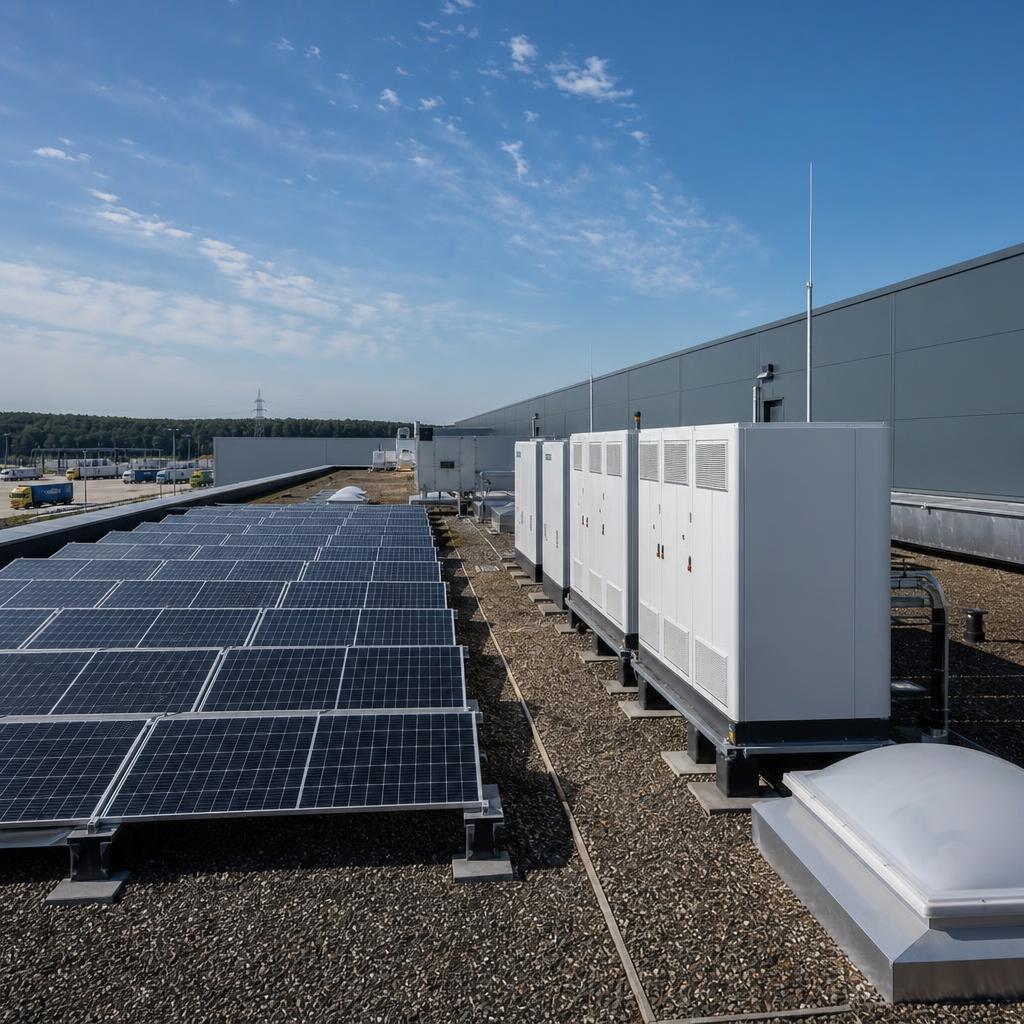
The Irish housing market was showing why rooftop solar and home batteries should be designed as a single customer proposition. The value of the system depended on household load, export arrangements, installation quality and the availability of compatible equipment. Installers that standardised a small number of proven configurations could scale more confidently than those quoting a different product combination for every home. The strategic shift is from selling a panel count to explaining how the household will generate, use, store and potentially export electricity across an ordinary day.
That conversation starts with the customer’s actual demand profile. A household using most electricity during daylight may be able to consume a useful share of solar generation directly, while a home whose occupants are away during the day may export more unless loads can be shifted. Evening cooking, hot water, vehicle charging and other flexible uses affect the profile, but each home differs. An annual bill is a useful starting point, not a complete design brief; seasonal variation, tariff structure and major planned changes can alter the suitable system size and expected value.
A battery can move some midday generation into later hours, but it does not create energy and it is not automatically economic for every customer. Sizing should reflect the likely surplus, evening demand, usable capacity, power rating, round-trip losses, reserve settings and how often the system is expected to cycle. A battery that is oversized relative to available solar or household load may add cost without proportionate benefit. A smaller battery may be insufficient for a customer’s preferred operating pattern. Present alternative sizes with transparent assumptions rather than promising a universal payback period.
Export arrangements and electricity tariffs matter alongside hardware. A customer should understand the relevant supplier terms, how exported electricity is valued, any eligibility requirements and the distinction between retail electricity avoided and export income. Tariffs and contract conditions can change, so a model should state its assumptions and show sensitivities rather than imply that current rates will persist. If a household can shift water heating, appliances or vehicle charging into solar hours, the design may achieve more direct use without buying additional storage; those choices depend on the property and customer routine.
System compatibility is an operational issue, not a catalogue detail. The installer needs to check inverter and battery compatibility, communication and control functions, backup capability if requested, electrical capacity, meter arrangements and the intended operating modes. Backup supply should not be assumed merely because a battery is present; the design must specify what loads can be supported and under what conditions. Products from different suppliers may offer flexibility, but integration responsibilities, warranty boundaries and service escalation need to be understood before installation.
Installation quality determines whether the design performs safely and reliably. Roof condition, orientation, shading, structural suitability, cable routes, ventilation, electrical protection and commissioning all affect the result. Customers need clear instructions for monitoring the system and knowing whom to contact if it reports a fault. A handover should explain normal operating behaviour, battery settings, warranty documents and any maintenance needs. Consistent design templates can help installers deliver repeatable quality, but site-specific checks cannot be replaced by a standard package.
The commercial case should use a simple, auditable comparison. Set out system cost, expected generation assumptions, household self-consumption, export assumptions, estimated savings, battery losses and likely maintenance or replacement considerations. Label forecasts as estimates and test lower-generation or different tariff cases. Do not present a single optimistic scenario as a guaranteed saving. Financing arrangements, grant eligibility and consumer terms must be checked against current requirements rather than built into a quotation by assumption. Clear disclosure protects trust and helps customers compare proposals fairly.
For installers, a limited portfolio of well-understood configurations can reduce quotation time, simplify training, improve stock planning and make after-sales support more manageable. Standardisation also creates trade-offs: fewer options may not suit unusual roof layouts, customers with different load profiles or future expansion plans. Maintain a controlled exception process so departures from standard designs receive appropriate engineering review. Before selecting a core product set, assess manufacturer support, product certification, service arrangements, lead times and the stability of supply—not just headline price.
Executives can ask whether sales teams gather sufficient information before recommending storage, whether product combinations have been technically validated, and whether quotes distinguish measured facts from assumptions. Check that procurement forecasts align with the expected installation pipeline, that a substitute product will not compromise compatibility, and that installers can access technical support when faults arise. Monitor customer complaints, commissioning issues and service calls as well as sales volume; those measures reveal whether a scalable offer is genuinely repeatable.
For Irish homeowners, the best system is not necessarily the largest one. It is a properly designed configuration that fits the property, household routine and tariff, with honest assumptions and dependable support. For installers, the opportunity lies in making a technically sound solar-and-storage offer understandable and repeatable. The storage-led conversation is therefore a commercial discipline as much as an equipment choice: it joins customer needs, design, procurement, installation and aftercare into one proposition.

0 Comments