

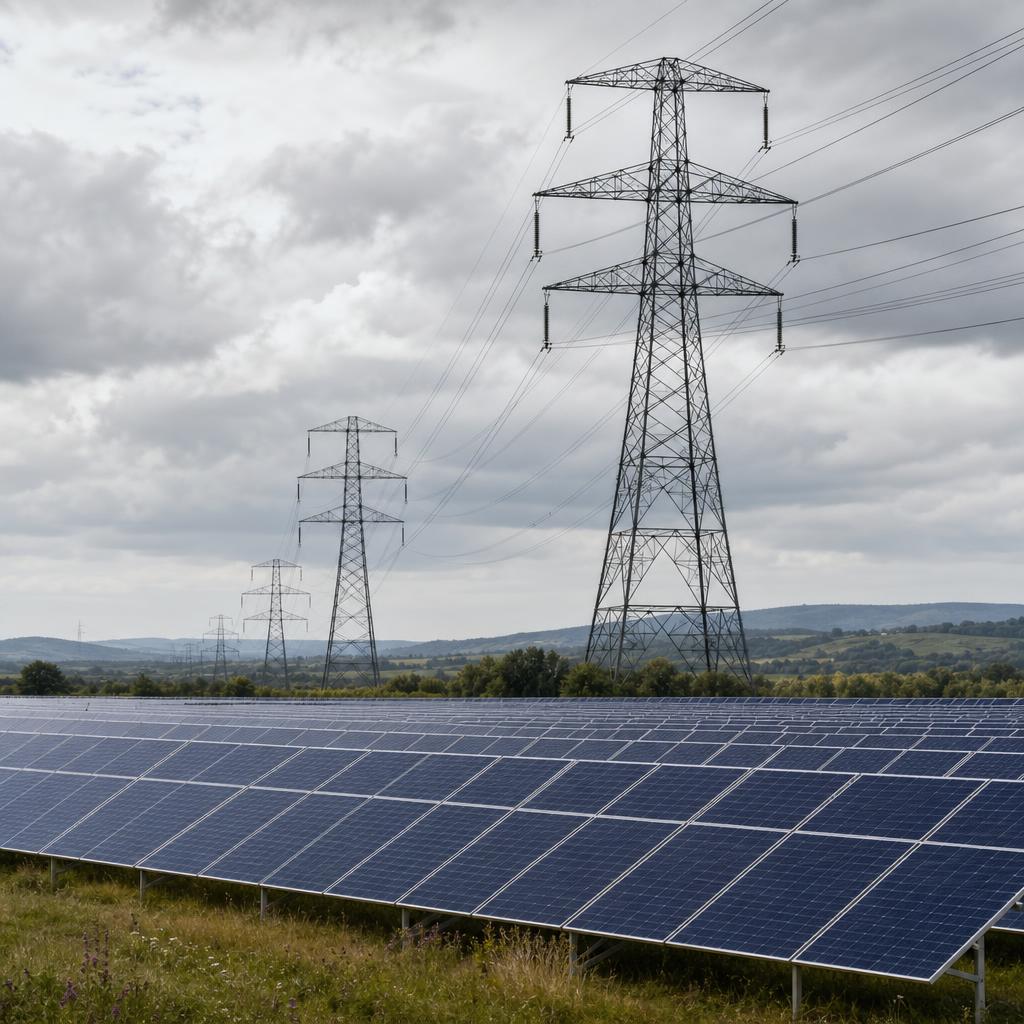
Europe’s grid constraint is no longer a downstream issue to solve after selecting the panels. For solar developers and EPCs, network capacity, connection timing, permitting and long-lead electrical equipment can determine whether a technically attractive project is deliverable at all. This changes the investment question: teams need to assess generation, connection works, storage and controls together, and commit procurement only as the grid assumptions become credible. A low module price cannot compensate for a delayed or unusable connection.
The initial discipline is to test the connection proposition early. Confirm the relevant network operator, likely point of connection, available capacity, application route, required studies and expected milestones. A nearby substation is not proof of spare capacity or a short connection programme. The scope may include reinforcement, new substations, transformers, switchgear, protection systems, cabling and communications, each with distinct design, consent and procurement dependencies. Record which assumptions are confirmed and which remain indicative; business cases should not present an early estimate as a firm connection offer.
Grid equipment availability makes programme logic more consequential. Transformers and switchgear are engineered to project requirements, and a change in rating, protection design or interface can affect both manufacture and site sequencing. EPCs should map each package to design approval, factory testing, transport, installation and energisation dates. Long-lead items need a procurement trigger tied to evidence, not optimism: ordering too late threatens the critical path, while ordering too early risks paying for equipment that must be redesigned or held in storage.
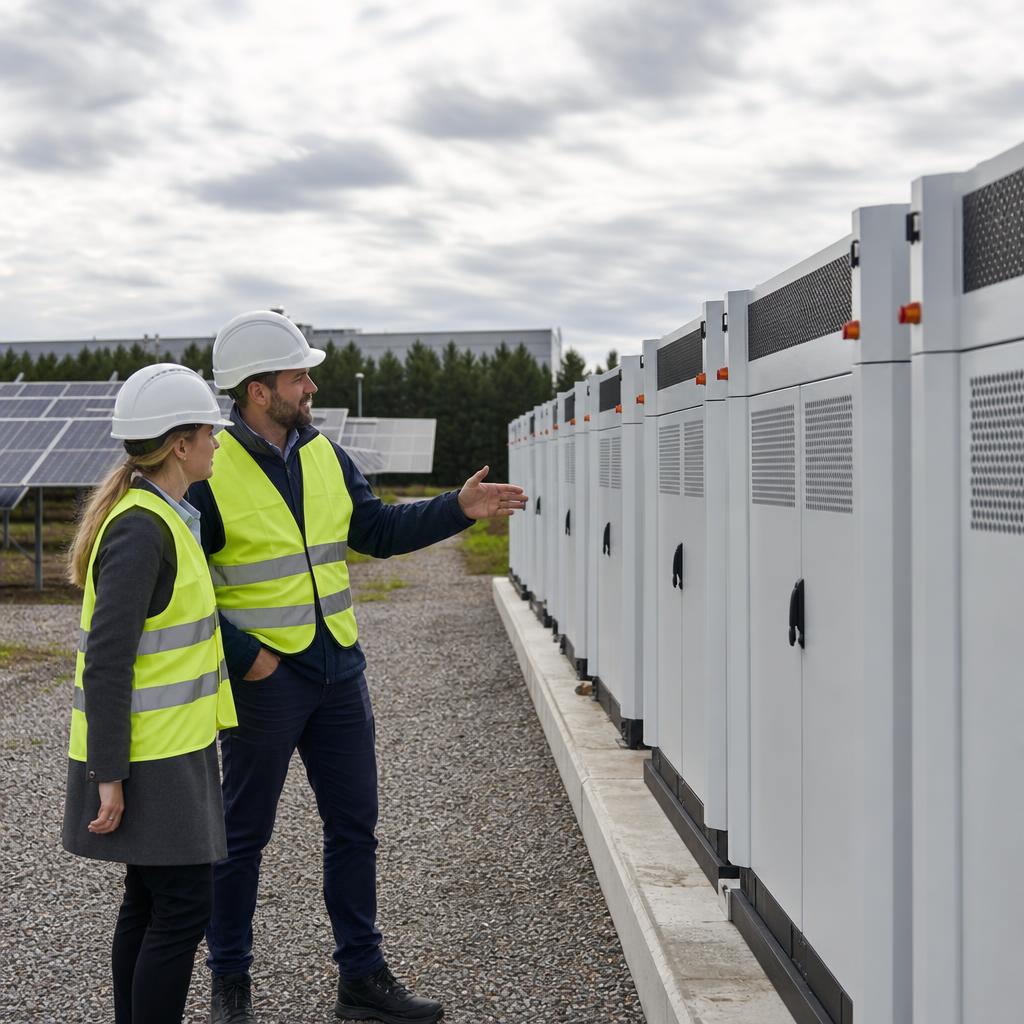
The project specification should be developed with the network operator and relevant specialists, rather than passed between parties after equipment has been selected. Align voltage levels, fault ratings, protection and control interfaces, metering, communications, reactive-power capability and commissioning evidence. Solar inverters, battery power-conversion systems and plant controllers must work within the required grid code and site architecture. Where storage is considered, define its purpose first—such as shifting energy or providing flexibility—then assess duration, power, dispatch controls, connection limits and operational constraints. A battery is not an automatic remedy for network congestion.
Permitting and land rights also affect the electrical solution. Substation footprints, cable routes, access roads and construction compounds may need separate consents or agreements, and the design can have environmental and community implications. Route alternatives should be evaluated before the preferred layout becomes difficult to change. The project schedule should show dependencies between planning, land access, connection approvals and equipment design, with responsible owners and decision dates. This makes it possible to see whether a delay is recoverable or threatens the target energisation date.
Commercial evaluation must cover more than equipment purchase price. Compare the total installed and lifecycle cost, including civil works, grid studies, connection charges, network reinforcement where applicable, logistics, installation, losses, maintenance, spares and commissioning. Sensitivity-test the value of delayed export and any curtailment assumptions. A project may face constrained output even after connection; model this risk explicitly and distinguish contractual or published data from estimates. Storage may change the operating profile, but its capital cost, round-trip losses, degradation, replacement needs and market access must be included in the same assessment.
A practical executive review can ask: Is the connection route supported by a current technical assessment? Which grid works and consents sit outside the EPC scope? Are equipment ratings and interfaces agreed, and who owns approval? What are the longest procurement lead times and the last responsible order dates? Are supplier alternatives genuinely compliant, available and financeable? Which schedule and revenue assumptions change if connection or energisation slips? Has the project reserved time and cost for factory acceptance testing, transport constraints, site integration and network witnessing? These questions help expose hidden dependencies before commitments narrow the options.
Trade-offs should be decided transparently. Standardising equipment may improve availability and serviceability, but a standard product may not suit every network requirement. Early purchasing can protect a slot, but creates specification and inventory exposure. Adding storage or flexible controls may improve operational options, yet adds interfaces, commissioning work and lifecycle obligations. Multiple suppliers can reduce concentration risk but increase integration complexity. The right answer depends on the project’s connection conditions, revenue model, delivery capability and appetite for risk; there is no universal procurement package.
For OGMA, the supported role is to help clients align manufacturer capability and equipment procurement with project requirements: compare suppliers, qualify technical documentation, coordinate factory assessment and clarify delivery plans. This work complements, rather than replaces, network studies, engineering design or regulatory advice. The commercial objective is a coherent chain from connection assumptions to equipment specification, orders and commissioning. Europe’s grid bottleneck makes that chain a core part of solar project development, not an administrative detail left until construction.

0 Comments