


Periods of extreme summer heat were making temperature coefficients, inverter derating, battery thermal management and site design more visible in project discussions across Europe. The equipment schedule needed to reflect the actual climate and operating profile, not just a standard datasheet environment. For BESS buyers, thermal controls and monitoring were part of expected performance, not optional extras. The executive implication is straightforward: nameplate ratings describe defined test conditions, while project output depends on how equipment performs at the site’s real ambient temperatures, ventilation conditions and duty cycle.
Solar modules respond to temperature as well as sunlight. Their power output generally falls as cell temperature rises above the reference condition, with the magnitude described by a temperature coefficient in the product data. A module with a favourable coefficient may retain more output at elevated cell temperature, but module selection should not be reduced to one figure. Compare the exact model, test conditions, efficiency, mechanical and electrical characteristics, warranty, certification and expected lifetime performance. Roof or array design influences airflow and operating temperature, so installation geometry also matters.
Inverters and power-conversion systems have their own thermal limits. Depending on design and conditions, high ambient temperature can lead to reduced output, protective shutdown or greater cooling demand. Buyers should examine the manufacturer’s operating range and derating curve, not just maximum rated power. Check whether the rating is maintained at the expected site temperature and altitude, whether filters or ventilation require maintenance, and how equipment spacing affects airflow. Enclosures exposed to direct sun, dust or restricted ventilation can face a different thermal environment from a shaded laboratory condition.
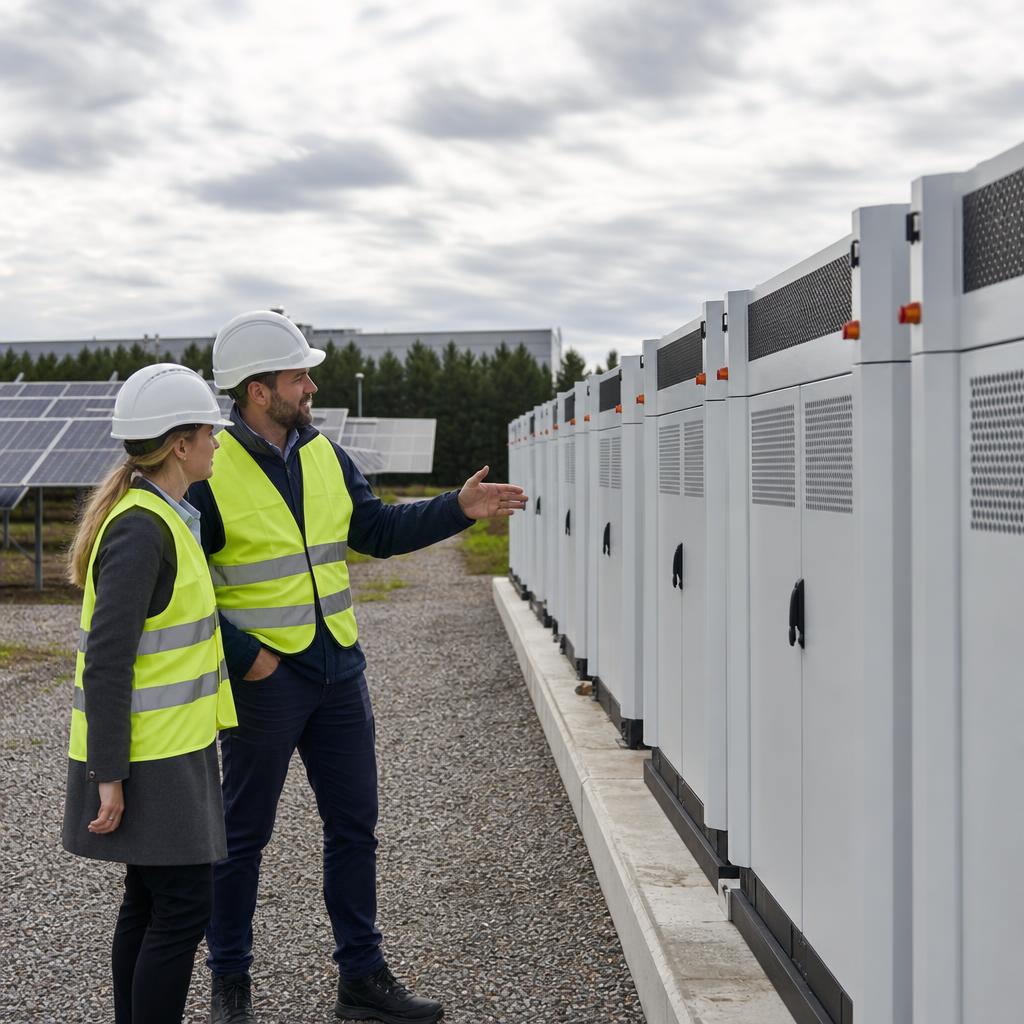
Battery systems require a more integrated assessment. Cell temperature affects available power, efficiency, ageing and safe operation; the battery management system and thermal-management design must keep operation within specified limits. Assess cooling or heating architecture, sensors, alarms, control logic, redundancy where applicable and the conditions under which charging or discharging may be limited. Ask for documented operating and environmental limits, maintenance requirements, system-level safety evidence and a clear explanation of how the supplier handles alarms and abnormal conditions. Do not infer system behaviour from cell-level data alone.
The site design should be tested against heat exposure and the full operating case. Consider enclosure orientation, shade, separation distances, ventilation paths, drainage, dust, access for maintenance and the effect of nearby equipment or buildings on air circulation. A shade structure may reduce direct solar exposure but can also impede airflow if poorly designed. For rooftop solar, roof-level temperatures and mounting arrangements can differ from a ground-mounted array. Site assessments should use credible local conditions and realistic design assumptions rather than an assumed mild climate.
Thermal stress has commercial consequences beyond an isolated hot afternoon. If power is curtailed, energy yield and revenue can fall; if cooling systems consume additional auxiliary energy, net output changes. Repeated exposure to elevated temperatures may affect component ageing and maintenance needs. Warranty terms may specify operating conditions, exclusions and maintenance obligations, so verify that the intended installation and operating profile remain within those terms. Financial models should test plausible heat-related derating and auxiliary loads where material, without inventing a universal loss factor.
There are design trade-offs. More cooling capacity may help maintain operation in demanding conditions, but it can increase capital cost, parasitic consumption, maintenance and component count. Tighter spacing can use land efficiently but may restrict airflow or access. A more conservative operating limit can protect equipment but reduce dispatch flexibility or peak output. Decisions should be grounded in site data, manufacturer documentation and project priorities, with the resulting performance and maintenance assumptions reflected in the business case.
Procurement teams can make this concrete with a heat-readiness checklist: What are the site design temperatures and exposure conditions? Which model-specific temperature coefficients and derating curves apply? At what conditions does the inverter or battery limit power? What thermal controls, alarms and monitoring are included, and who responds to them? Are auxiliary loads and cooling maintenance included in operating costs? Do warranties cover the proposed climate and duty cycle? Has the EPC shown airflow, access and shading in the layout, and can the supplier substantiate its claims with test documentation?
Commissioning and operations complete the chain. Verify sensor placement, alarm configuration, control settings, ventilation and cooling operation; capture baseline readings and hand over a clear escalation process. Monitoring should make temperatures, derating events and relevant alarms visible to operators, with thresholds and responses agreed in advance. Data can then distinguish an expected protective response from a fault, blocked airflow or inappropriate operating setting. Where operational data reveal a recurring problem, revise maintenance or dispatch practices and document the change.
For BESS buyers, thermal controls and monitoring are expected elements of system performance, not optional extras. The procurement decision should compare complete systems and accountable support, rather than cells or containers in isolation. For solar owners, module temperature behaviour, inverter derating and array ventilation belong in yield assessment and site design. Heatwaves do not make all equipment unsuitable, nor do they prove a particular product will fail; they make clear why climate assumptions, model-specific evidence and realistic operating plans must be explicit before purchase.


0 Comments