

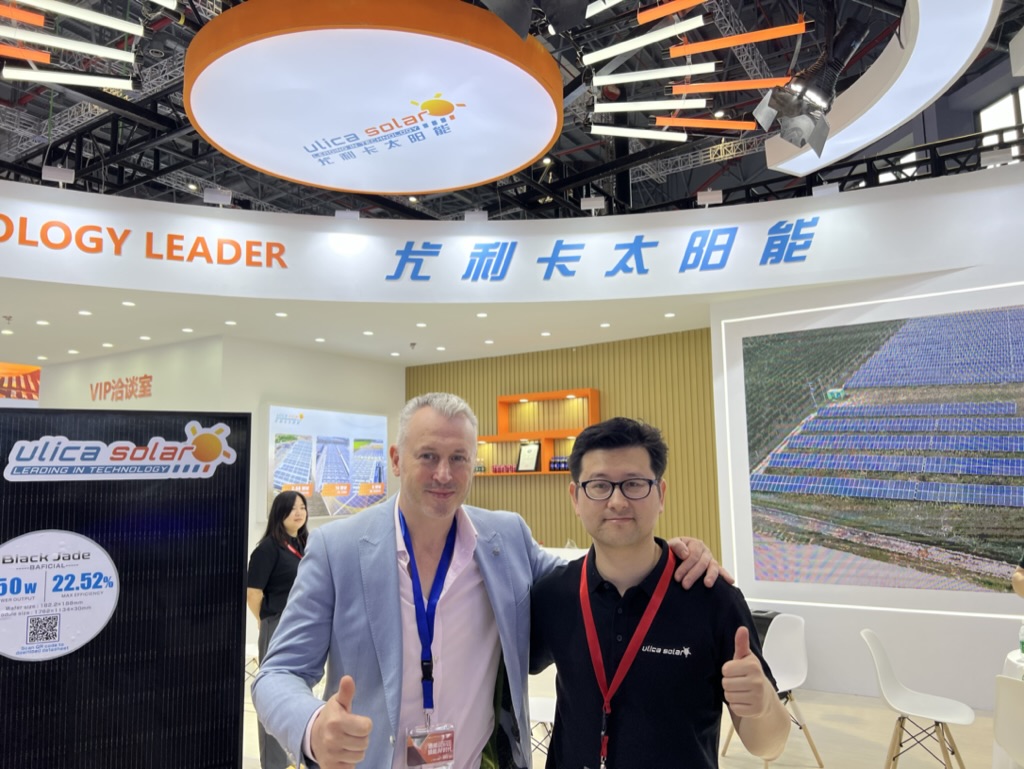
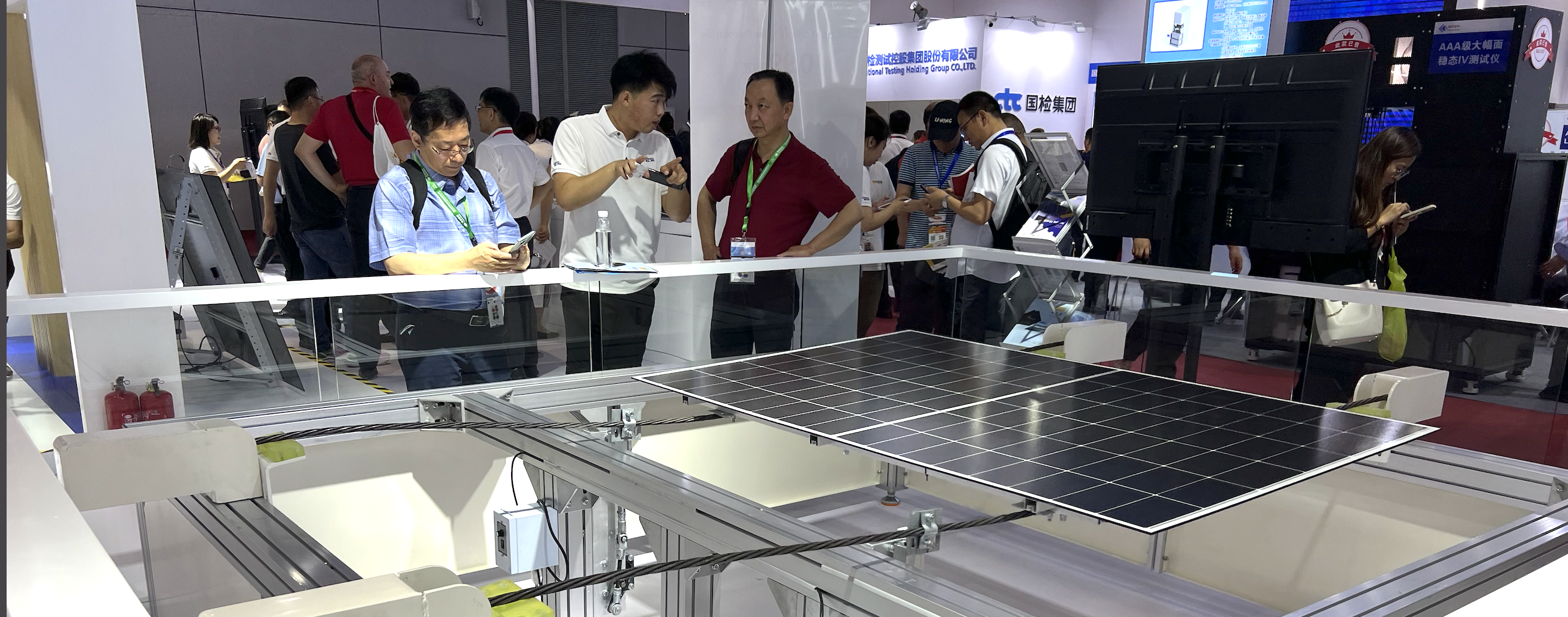
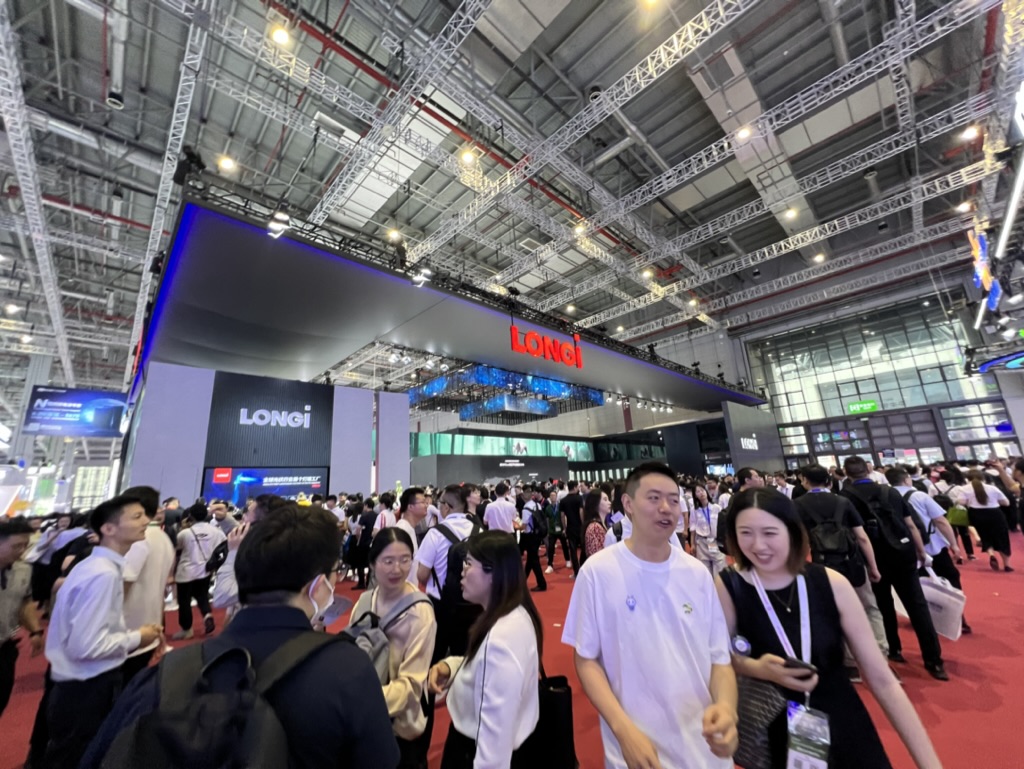
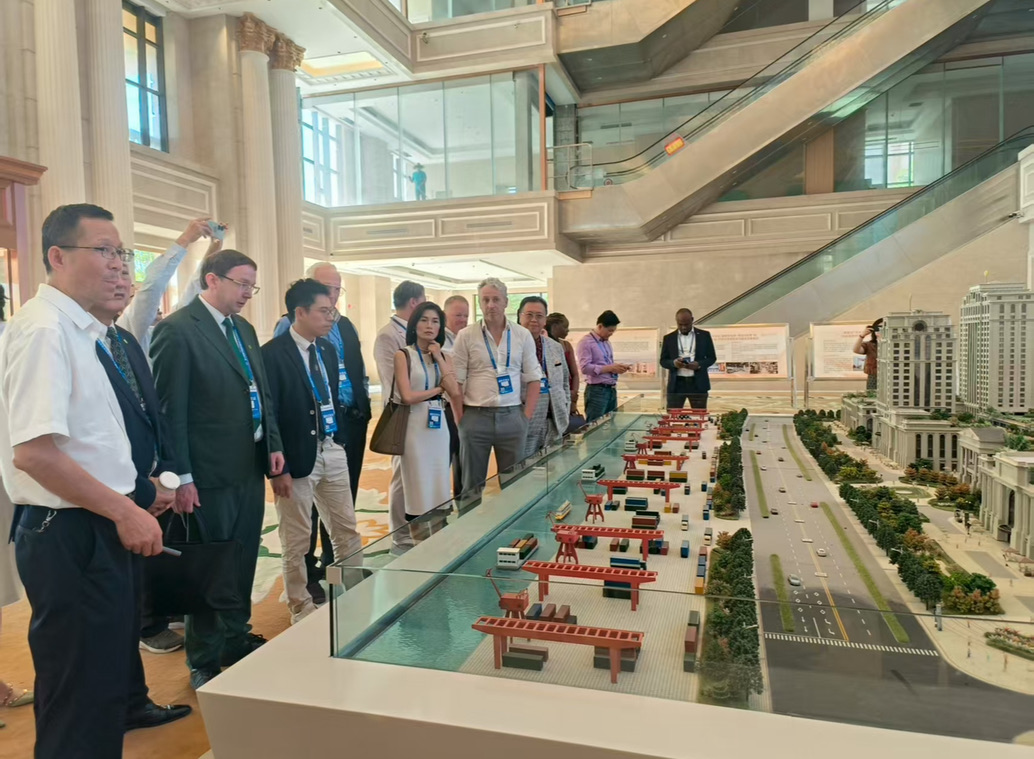
OGMA attended SNEC PV+ 2024 in Shanghai in June, reconnecting with established partners, building relationships and discussing live projects in development and procurement. After years when travel to China had been restricted or impractical, face-to-face contact allowed products to be examined and questions put directly to relevant teams. Such meetings complement specifications and remote work by adding context and helping establish who can resolve issues.
The 17th SNEC took place at Shanghai’s National Exhibition and Convention Center from 13 to 15 June 2024, alongside its conference programme. Published coverage described an exhibition of approximately 400,000 square metres and more than 500,000 visits over three days. Attendance indicates scale, not product quality. Buyers must turn a broad market view into a disciplined qualification process.
OGMA’s discussions with partners old and new centred on availability, specifications, certification, capacity, delivery programmes and support in overseas markets. Conversations covered solar, battery storage, power conversion and integrated systems. The aim was to assess engineering capability, management commitment and export discipline—not simply collect catalogues. A meeting starts the process; due diligence, technical review and clear commercial documentation remain necessary before qualifying a supplier.
Exhibition coverage highlighted module development: prominent TOPCon products, alongside heterojunction and back-contact designs. Modules above 700 watts and efficiencies exceeding 24% were displayed, with no-busbar interconnection and larger cell formats. These are exhibition specifications, not guarantees of field yield. Relevance depends on dimensions, electrical characteristics, degradation, temperature behaviour, installation constraints and system design. Compare datasheets consistently and seek evidence suited to operating conditions.
Products also addressed different applications: lightweight and flexible modules, coloured or shaped building products, dust-shedding frame designs and building-integrated PV. These may help with site requirements but can create less standardised installation, maintenance and replacement needs. Check certification, installation methods, warranty support and replacement routes. A specialised feature has little value if it cannot be maintained.
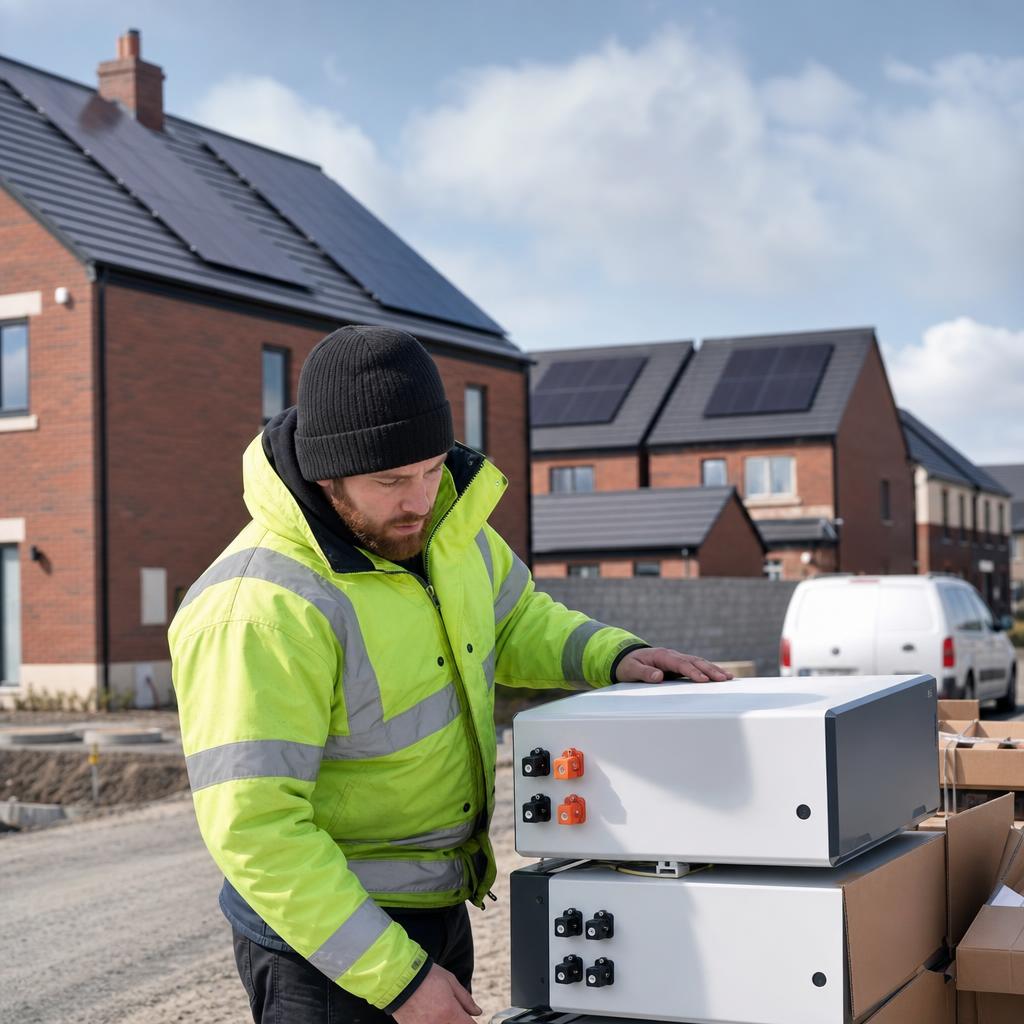
Storage appeared as part of a broader energy-system offer. Exhibitors showed residential and commercial batteries, containerised solutions, energy-management software and solar-storage packages; coverage also discussed EV charging, smart inverters, AI-supported controls and grid-forming technology. The event connected solar with storage, hydrogen, wind and smart grids. Buyers should assess generation, conversion, storage, controls and grid interfaces together, while justifying each element against the site’s needs and credible value.
The return to in-person engagement carried a supply-chain lesson. During COVID, China’s border controls and quarantine requirements made factory and partner visits difficult. Inspections were postponed or delegated, product changes harder to examine and misunderstandings slower to resolve. Factory shutdowns, component shortages, port congestion, container imbalances and volatile freight rates added disruption. Limited visibility and dependence on narrow supplier sets can make an efficient chain fragile. Travel alone cannot prevent disruption; communication, verification and alternatives require planning.
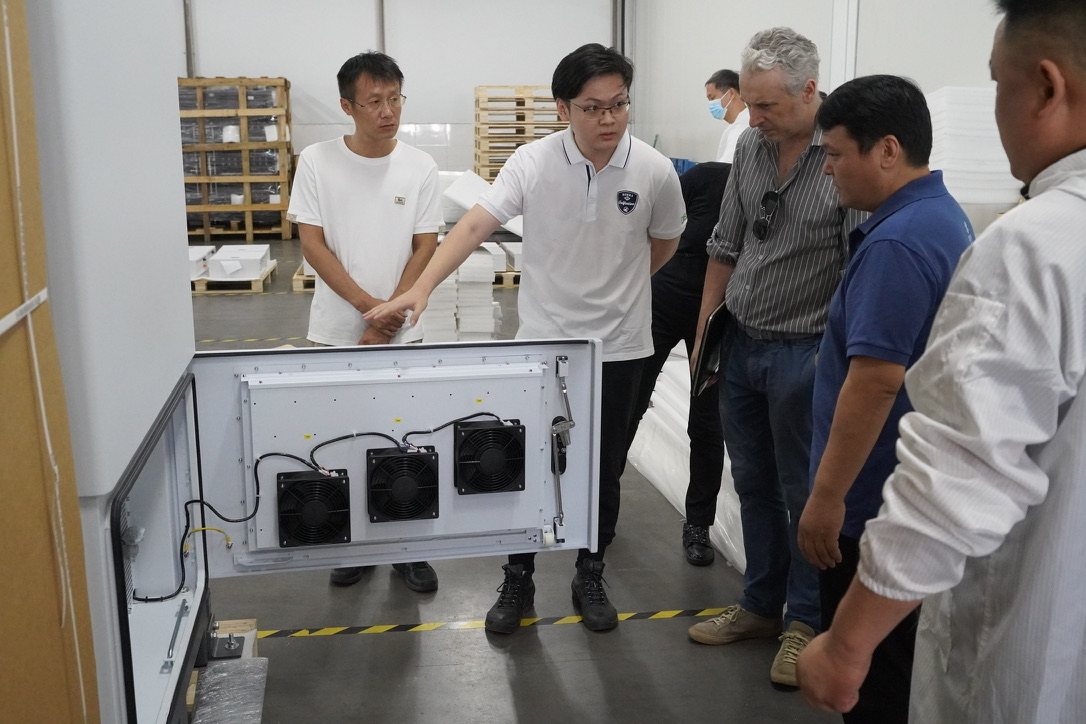
A Shanghai meeting may lead to technical sessions, factory visits or project reviews. It can help compare claims and understand whether products are at demonstration or repeatable-production stage, but cannot verify output, quality or delivery by itself. Follow up on the manufacturing site, quality processes, capacity, certification, warranties, export documentation, change notification and after-sales support. Mark unverified information clearly.
Project teams should define the application; confirm specification and standards; verify factory and production slot; assess performance and service evidence; check equipment compatibility; understand logistics; and document substitution approvals. A second source adds resilience only if technically approved and available. Qualification costs time and engineering effort, so focus diversification where risk warrants it.
SNEC PV+ 2024 showed that technology and relationships must advance together. Higher-output modules, integrated storage and controls require transparent information, credible manufacturing and realistic delivery planning. OGMA connects project requirements with partners, assesses capability and helps clients move from specification through procurement and delivery. The value of reconnecting in Shanghai is better-informed, evidence-based decisions.
0 Comments