

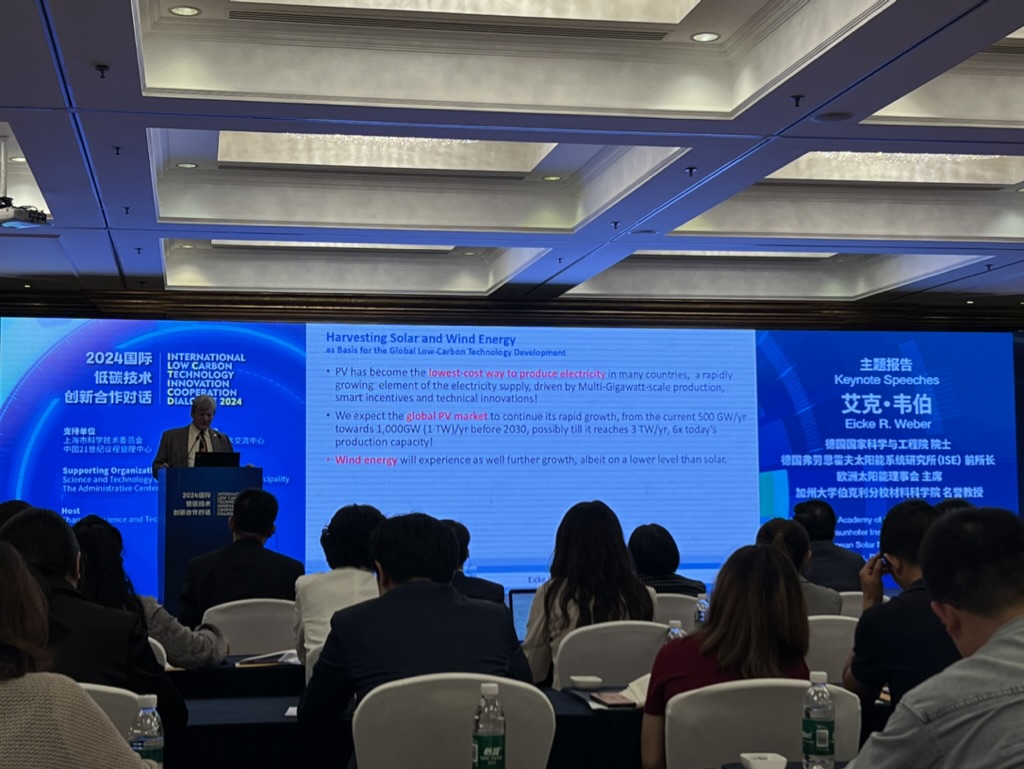
OGMA was invited to attend the International Low Carbon Technology Innovation Cooperation Dialogue 2024 in June. The event focused on how research, manufacturing, investment, policy and project delivery can work across borders so low-carbon technologies become dependable infrastructure. For executives, the task is to create a route from technical promise to a product that can be specified, financed, delivered and supported.
A keynote on harvesting solar and wind considered renewable-generation momentum. Solar PV has benefited from manufacturing scale, technical development and policy support, while wind remains important. No single technology fits every market: resource, land, network capacity, demand and project economics differ. Use outlooks as context, but rely on project-specific assessments and commercial analysis when committing capital.
Cooperation links discovery and deployment. Research institutes develop materials, cell architectures, power electronics, software and operating approaches. Manufacturers translate them into repeatable products; developers and operators assess performance in installations. Early exchange exposes requirements such as format, operating conditions, serviceability and certification before a product is difficult to manufacture or deploy.
Collaboration must not dilute scrutiny. A new module, battery chemistry or control platform needs evidence of safety, durability, performance and compatibility. Ask whether testing is independent and representative, certification covers the proposed configuration, degradation and limits are characterised, and support is available if faults occur. Warranty exclusions and service capability matter. Demonstration results are informative, not proof of commercial-scale performance without further evidence.
Assess economics over system life, not purchase price alone. Lower-cost equipment may carry integration, maintenance or replacement costs; higher performance creates value only when measurable benefits exceed added cost and risk. Compare lifetime costs, yield, availability assumptions, degradation, operating requirements and replacement pathways consistently. Where evidence is incomplete, identify uncertainty and test it through a pilot or staged procurement rather than embedding an unverified claim in a forecast.
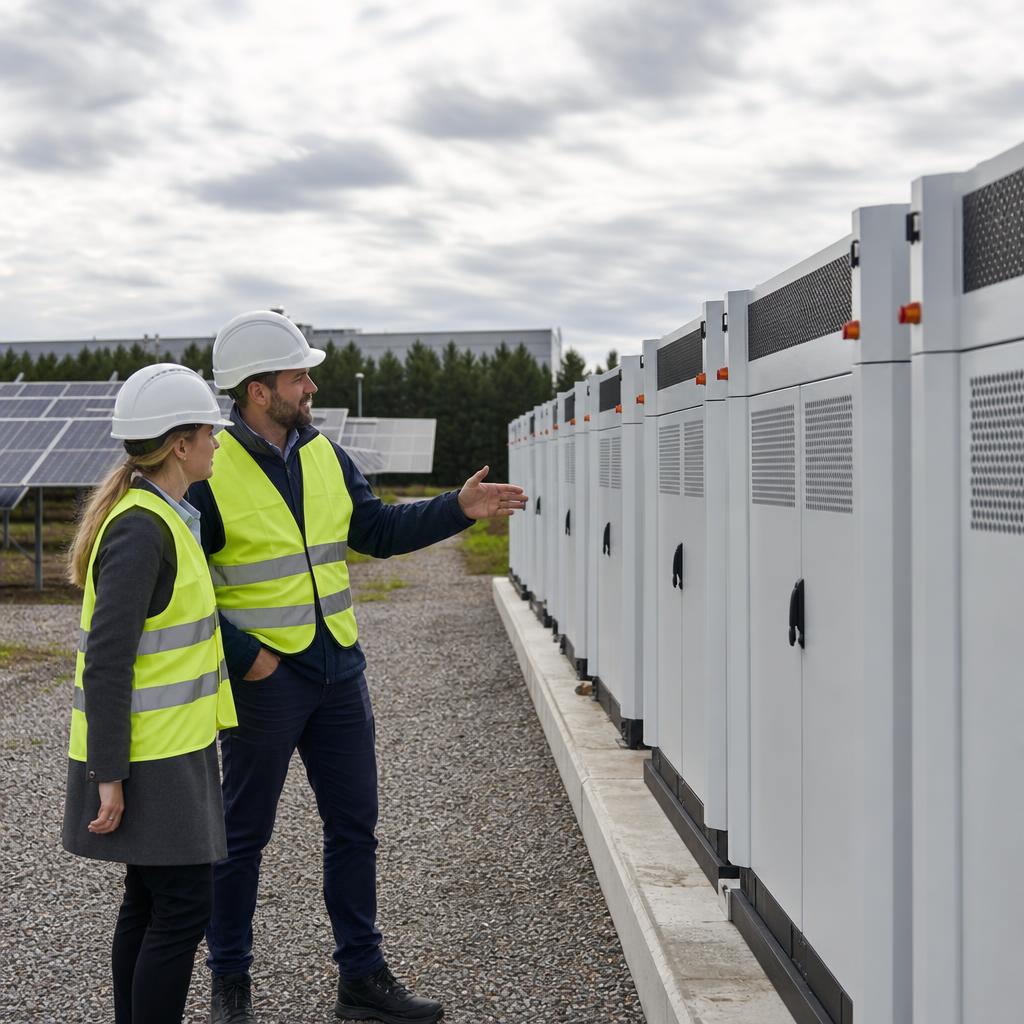
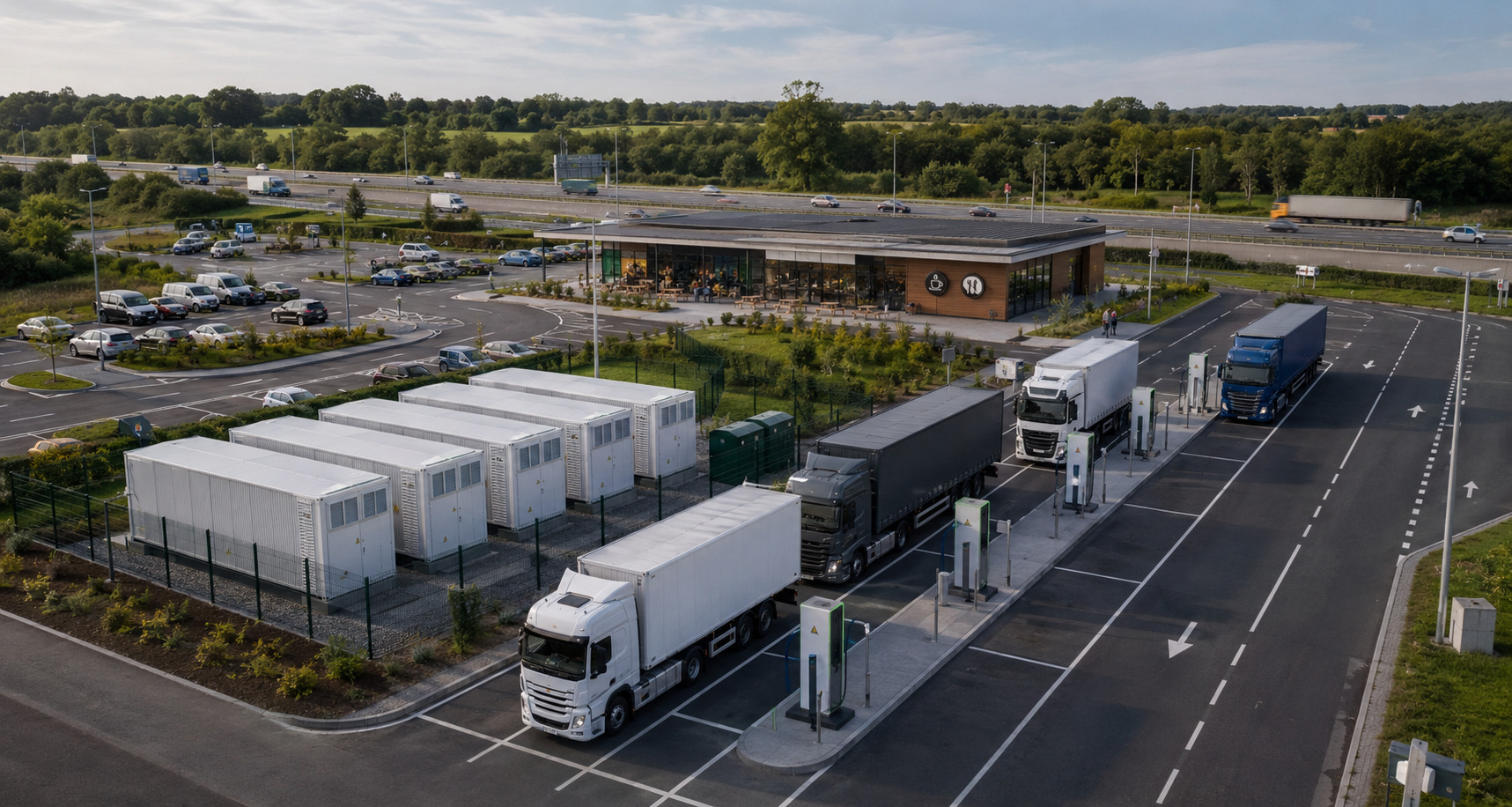
Networks are essential to deployment. More solar and wind increase the importance of forecasting, flexible demand, storage, network investment and controls that meet connection requirements. Component innovation depends on the wider system. Confirm interoperability and consider whether connection constraints or curtailment affect economics. Storage can shift energy or provide services where design and market arrangements support it; the business case depends on cycling, efficiency, degradation, safety and revenues that are not guaranteed.
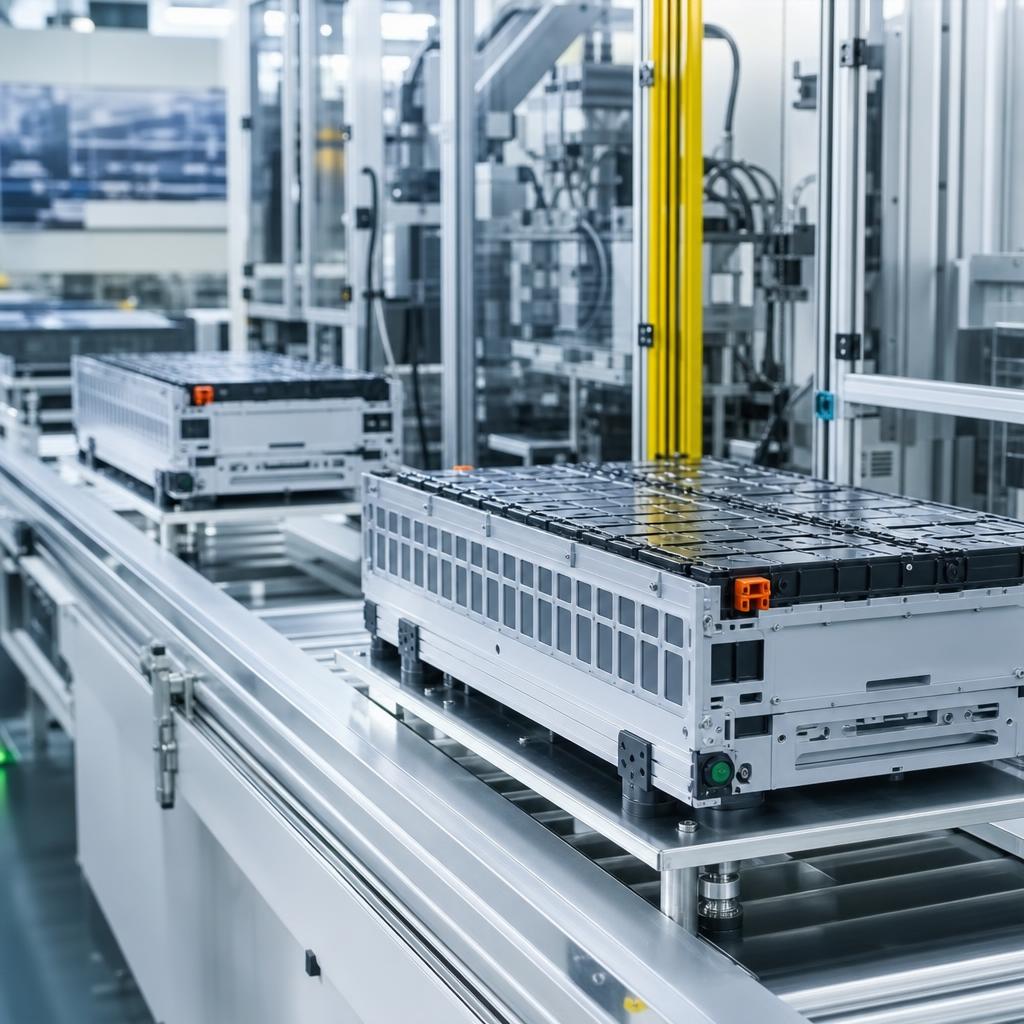
International collaboration offers complementary capabilities and governance challenges. China has substantial solar, battery and power-electronics manufacturing; Europe and other regions contribute research, project demand and market requirements. Partnerships need clear specifications, protected intellectual property, traceable documentation, defined responsibilities and change-control. Buyers should establish the manufacturing site, quality verification and destination-market support arrangements.
Policy and finance shape investment conditions. Manufacturers need confidence to plan capacity; developers need workable permitting, grid access and revenue arrangements. Public support may help demonstrations, but deployment depends on viable projects and system value. Distinguish an announced ambition from a funded programme, award or binding commitment; do not treat policy intent as guaranteed demand.
A practical checklist: define the project problem before choosing technology; request performance and safety evidence; verify certification for the intended configuration; assess lifetime cost and service; test interoperability and grid assumptions; document factory, capacity and traceability; clarify intellectual-property and change-control; and set decision gates for pilots. Every material assumption should have an owner and evidence source. This allows leaders to support innovation while keeping deployment decisions reversible until technical and commercial evidence is adequate.
For OGMA, the dialogue reinforced its work connecting technology, manufacturing and international project delivery. OGMA identifies capable partners, assesses factories and documentation, and helps clients move from specification through procurement and delivery. Ideas become useful infrastructure when commercial requirements, technical evidence and manufacturing capability meet early enough to shape a deliverable project. This also makes sustained follow-through a core part of cross-border cooperation.
0 Comments