

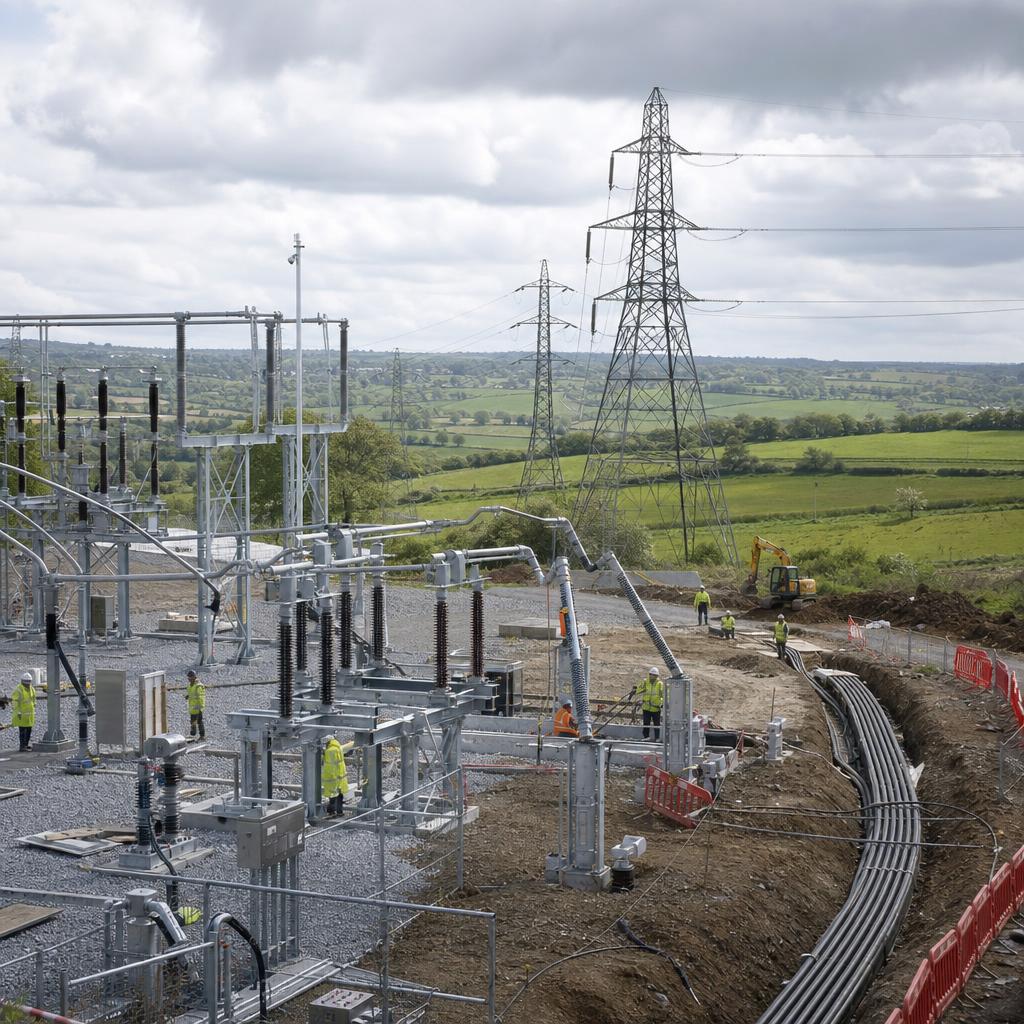
By July 2024, UK battery developers faced a practical change in emphasis: a queue position alone did not make a project deliverable. Discussion of connection reform focused increasingly on whether projects were mature enough to progress. That raised a procurement question: how to prepare when connection dates may shift but electrical equipment has long manufacturing and approval lead times.
A battery energy storage project links grid connection, planning and land, revenue, finance, engineering, equipment, construction and commissioning. A changed connection timeline can postpone delivery, increase storage costs, create a gap before energisation or require a new supplier slot. Ordering too early can tie up capital and expose the project to redesign or storage risks before operation.
In mid-2024, connection reform remained an evolving process, not a completed reset with guaranteed outcomes for every project. Distinguish confirmed requirements and dates from proposals and assumptions. Keep grid correspondence current, record conditional milestones and update the programme when the network company provides information.
Start procurement with the critical path. Identify bespoke or difficult-to-substitute items such as transformers, switchgear, protection and controls, power-conversion systems, battery enclosures and thermal management. Include design approval, testing, manufacture, shipping and installation in lead times. Equipment may be available while a compatible transformer or approved protection scheme becomes the constraint.
Link each purchase to a project gate. Before an irrevocable order, verify design basis, connection requirements, planning, funding and construction sequence. If a supplier reserves capacity, clarify exactly what is reserved, for how long and on what terms; a reservation is not necessarily a delivery slot. Phased commitments may preserve flexibility, sometimes at a premium. Short lead time matters only if equipment meets the specification and can be accepted.
Qualify suppliers on manufacturing site, configuration, certification, quality controls, testing, warranty and service. Clarify responses to design changes, production moves and delays. Check availability of technical files, commissioning support, spares and UK fault response. A low quotation may not be lowest delivered cost if documentation or interfaces are incomplete.
Battery integration also matters. Cells, battery-management and thermal controls, power-conversion equipment, energy-management controls and grid interface must work together. Define responsibility for integration, performance and commissioning. Nominal energy rating does not establish usable energy, duration or power at connection; configuration, limits and losses matter. Specify the duty before selection and reconcile warranty terms with intended cycling.
Revenue timing is uncertain. A delayed connection can extend financing costs and postpone revenues; early delivery can create storage, insurance and preservation costs. Include contingencies and identify delay exposure at each interface. Do not assume a supplier absorbs a delay because a quotation states a delivery date; advisers should review contractual allocation.
At each investment review ask: Which connection milestones are confirmed? Which equipment is on the critical path, and are lead times documented? Does design reflect current requirements? What capital is at risk if dates move? Are alternatives qualified or merely identified? Who owns interface management and commissioning? What contingency and cost exposure remain? Update answers as project maturity changes. Record accountable owners and review dates for each open dependency so decisions do not rely on an outdated schedule.
Alternative suppliers can reduce dependence, but switching may require redesign, approvals, retesting and warranty review. Maintain equivalent specifications and change control. Do not stockpile expensive equipment simply to signal readiness while scope or grid design remains uncertain.
Delivery readiness requires a line of sight from grid requirements to approved design, manufacturing slot, delivery, installation and energisation. OGMA’s relevant contribution is supplier identification, qualification and procurement planning. Early evidence-based engagement can preserve choices as connection information develops, but cannot remove uncertainty or guarantee dates. The objective is to avoid turning a changing connection programme into an avoidable equipment delay.


0 Comments