

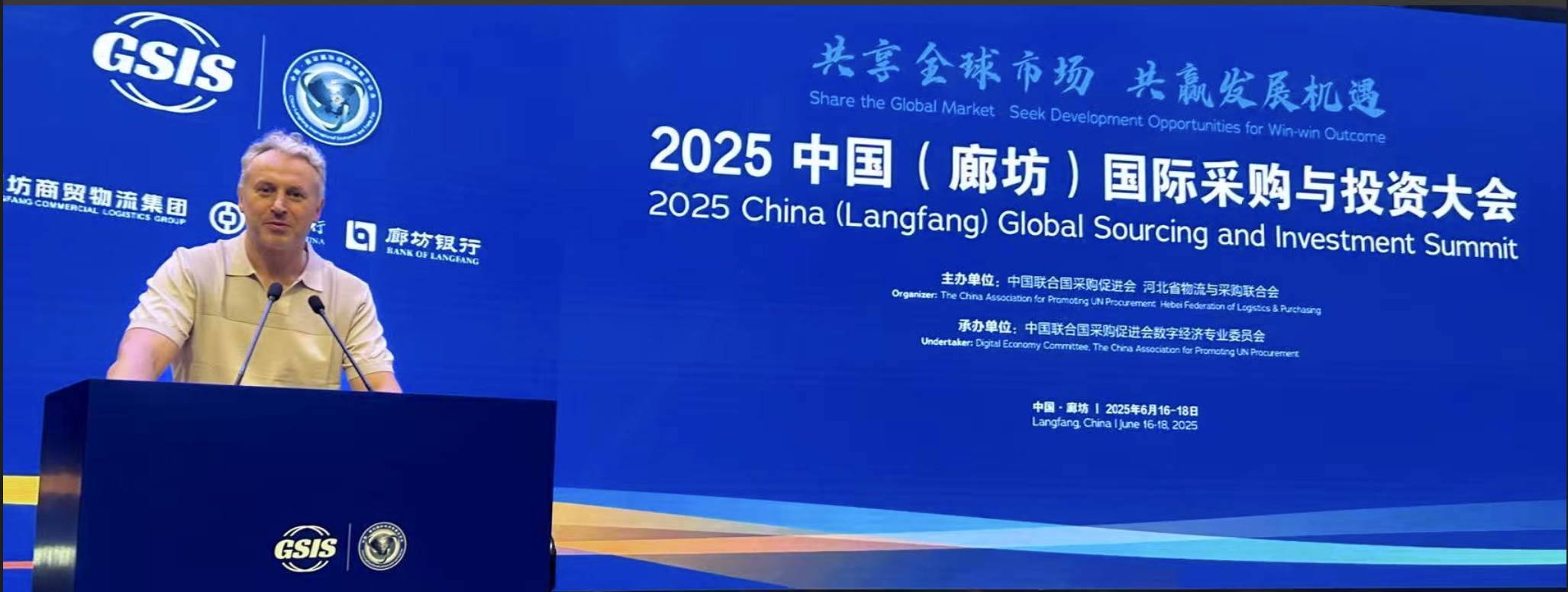
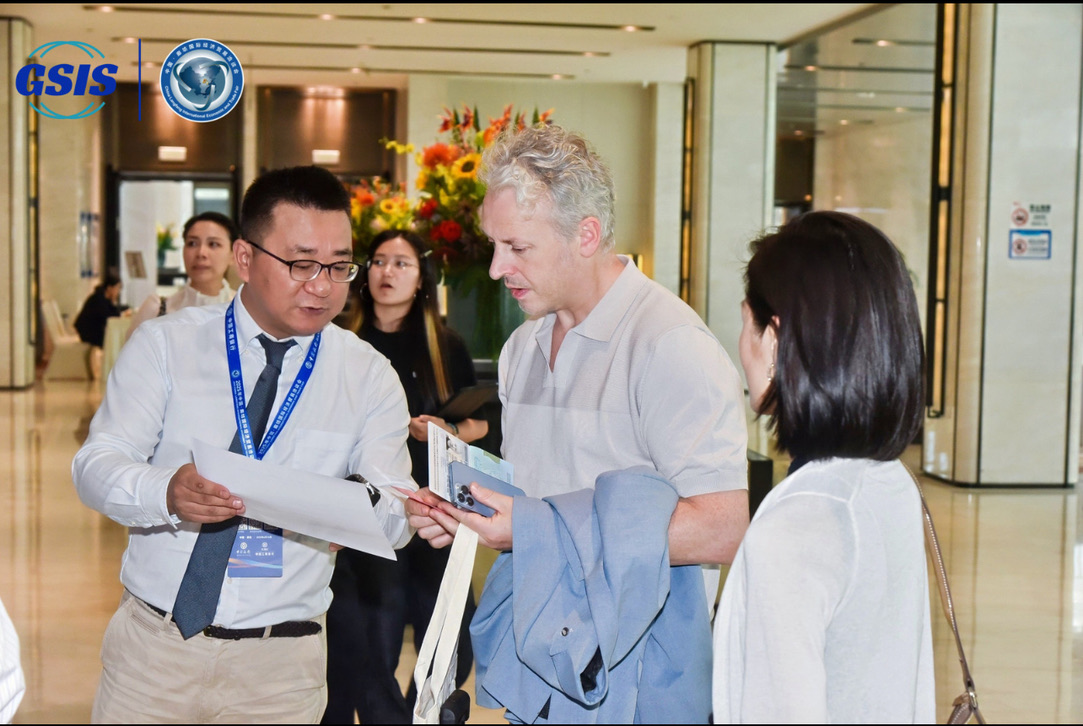
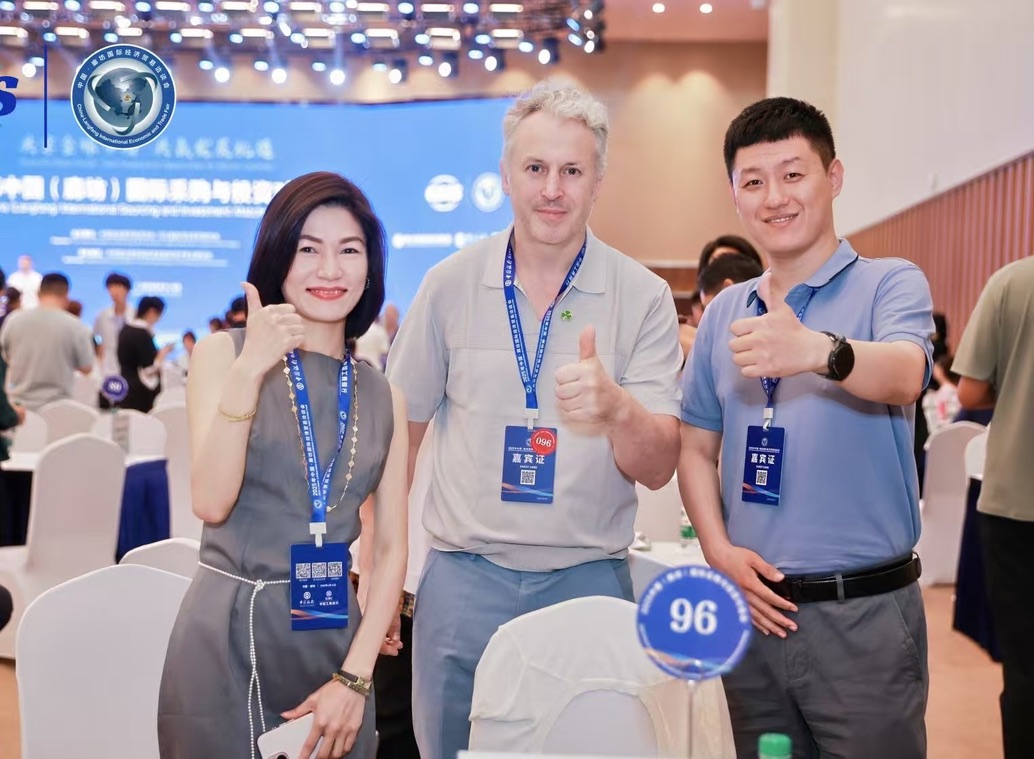
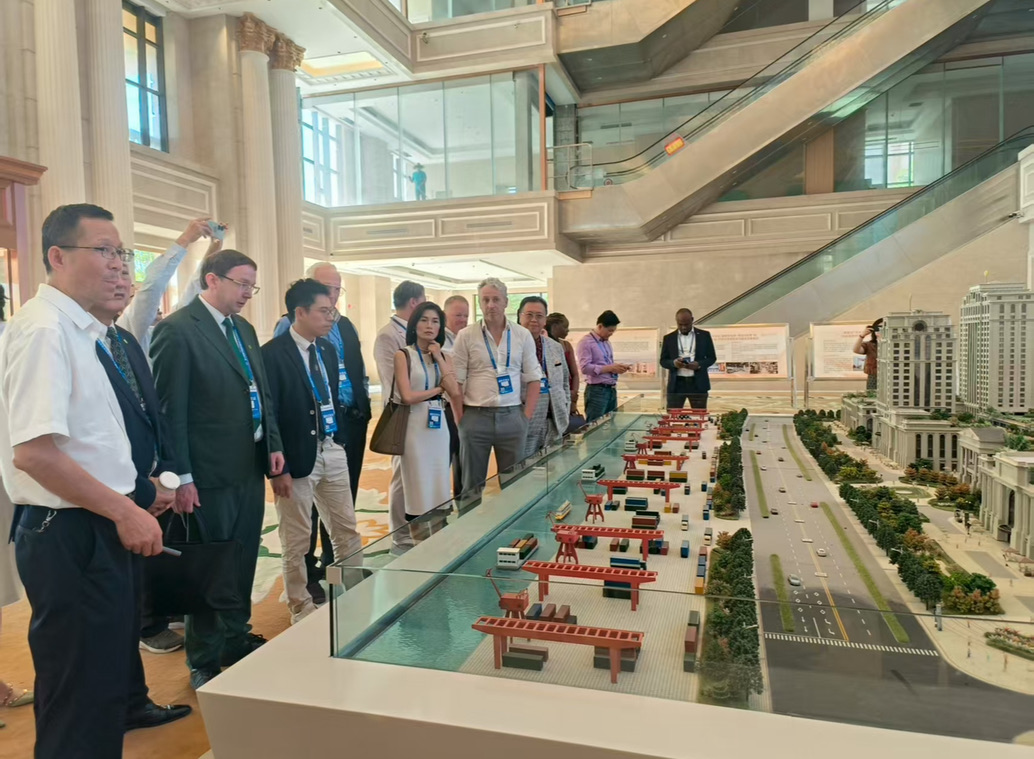
Sustainable sourcing became a commercial readiness question at the MOFCOM sourcing and investment summit in Langfang in June 2025. OGMA attended as an invited guest; CEO Martin O’Donnell joined manufacturers, investors, procurement organisations and international delegates to discuss how Chinese industrial capability could serve global projects. The discussion put evidence, not claims, at the centre: buyers need a clear account of product origin, production and the support behind material claims.
For European businesses, one immediate reference point was the Carbon Border Adjustment Mechanism (CBAM). In June 2025 it remained in its transitional phase. EU importers of specified goods in cement, iron and steel, aluminium, fertilisers, electricity and hydrogen had reporting obligations; the definitive regime’s requirement to purchase and surrender CBAM certificates was due to begin from 1 January 2026. March 2025 had brought detailed rules for authorised CBAM declarant status. The practical message was to prepare for an operating compliance process, while avoiding the inaccurate shorthand that every import already faced a new carbon charge.
Where a product falls within CBAM’s scope, reliable production information has a direct bearing on the importer’s ability to report. Manufacturers should be ready to identify the relevant production route and source information, retain supporting records, explain how emissions figures were derived, and provide information on any carbon price paid where relevant. Under the definitive regime, embedded-emissions declarations would be subject to verification requirements. Weak records can delay reporting or create commercial friction.
Scope is critical. CBAM did not apply to every factory or imported product in 2025, and it should not be interpreted as a universal border charge on manufactured goods. Buyers first need to determine whether the specific product is covered and what obligations apply to the importer. Separately, they should check whether customer requirements, financing expectations or a tender request sustainability information beyond the legal minimum. Keeping regulatory scope and commercial qualification distinct avoids imposing inaccurate compliance demands or mistaking voluntary disclosures for statutory requirements.
The wider procurement direction in Europe was also part of the summit’s context. EU public procurement already allowed authorities to assess the most economically advantageous tender using criteria such as quality, environmental performance and lifecycle cost, rather than lowest purchase price alone. During the first half of 2025, the Clean Industrial Deal and work concerning strategic net-zero technologies reinforced attention to resilience, sustainability and supply-chain transparency. These developments did not make every policy announcement a binding tender condition; bidders needed to follow each solicitation’s actual criteria.
The United Nations landscape required similar care. There was no single new rule in Q1/Q2 2025 that applied identically to every UN organisation’s tender. Each organisation retained its own solicitation and evaluation process. The UN Supplier Code of Conduct nevertheless set expectations concerning human rights, labour standards, environmental responsibility, anti-corruption and due diligence through suppliers, affiliates and subcontractors. Tender requirements, rather than a generic declaration, determine what evidence an exporter must provide through relevant parts of its supply chain.
For executives, the response is a proportionate evidence plan. Start with the product, manufacturing site and intended market; establish applicable legal scope and tender criteria; name an owner for each requirement; and map relevant materials, production steps and subcontractors. Review ownership and licences, product certification, quality controls, labour and health-and-safety practices, environmental permits, waste and chemical management, and corrective actions where issues are found. Certifications can support assurance, but do not replace examination of the actual factory, product line and records. Use independent or specialist verification where required or warranted by risk.
There are real trade-offs. Detailed traceability and independent review require supplier time and can add cost, while indiscriminate document requests may burden a manufacturer without answering the buyer’s question. Conversely, a superficial file can miss a relevant subcontractor or leave emissions data unsupported. Buyers should match diligence to product risk, legal duties and stated tender criteria, then refresh it when a site, material or process changes. Manufacturers can prioritise product lines relevant to target markets, identify gaps early and agree corrective actions rather than make broad claims they cannot verify.
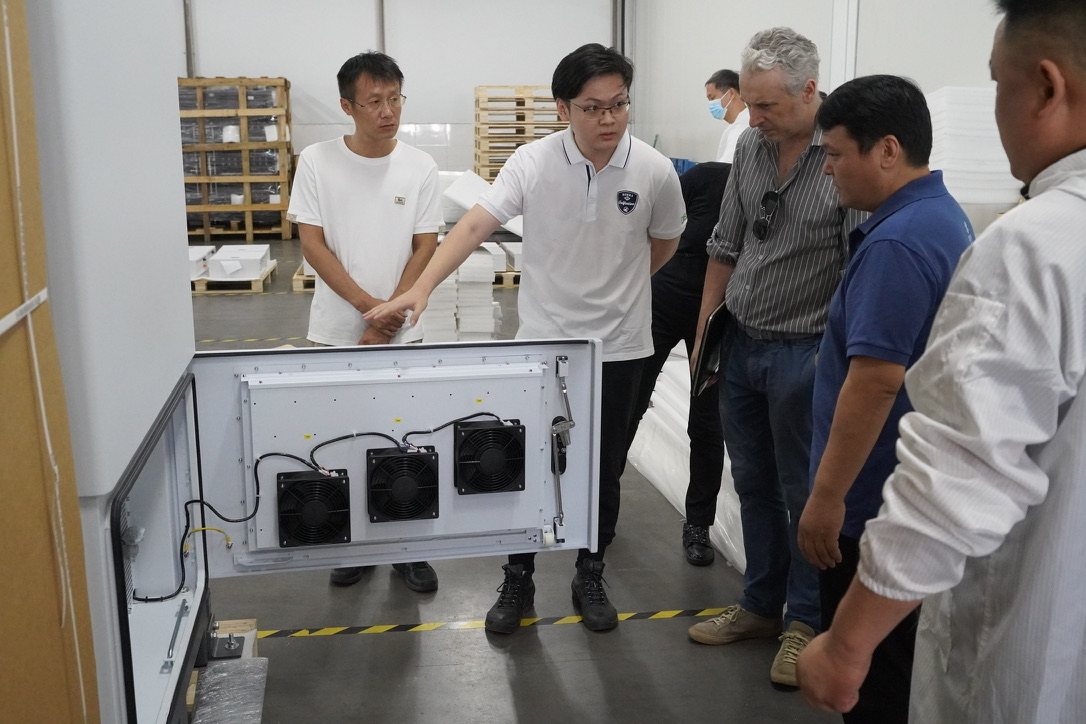
OGMA’s role is to connect buyer requirements with evidence at source: pre-qualifying manufacturers, coordinating factory visits or independent audits, mapping supply chains, organising product and emissions documentation, and identifying gaps before a bid or shipment is committed. Legal interpretation or accredited verification may require specialist advisers. The Langfang discussion focused on making Chinese industrial capability usable in global projects through sustainable, supportable supply chains. Specific expectations and reviewable evidence help buyers compare technical quality, landed cost and delivery risk, while helping manufacturers compete on more than price. Neither compliance nor tender success should be treated as guaranteed.
0 Comments