

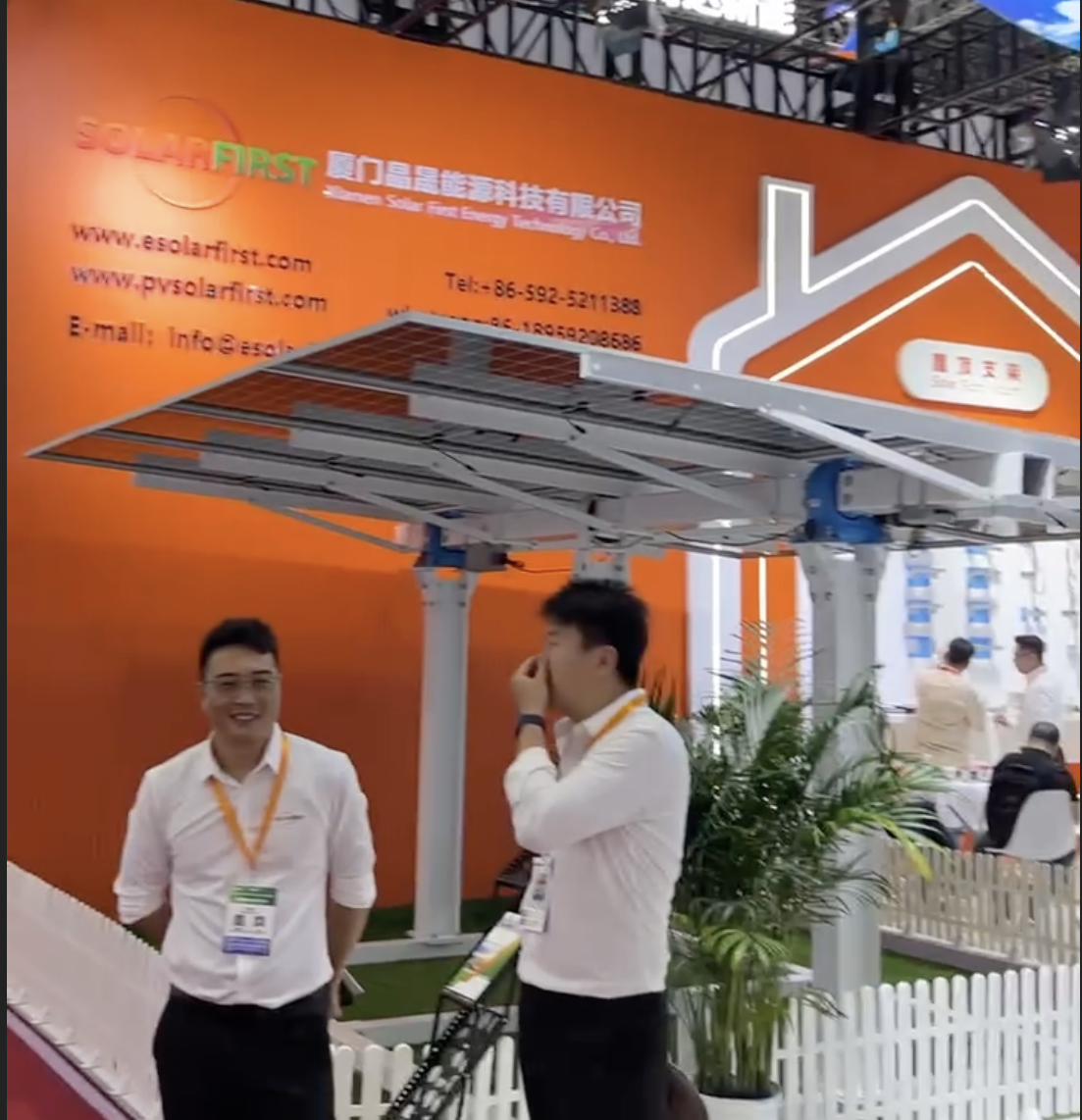
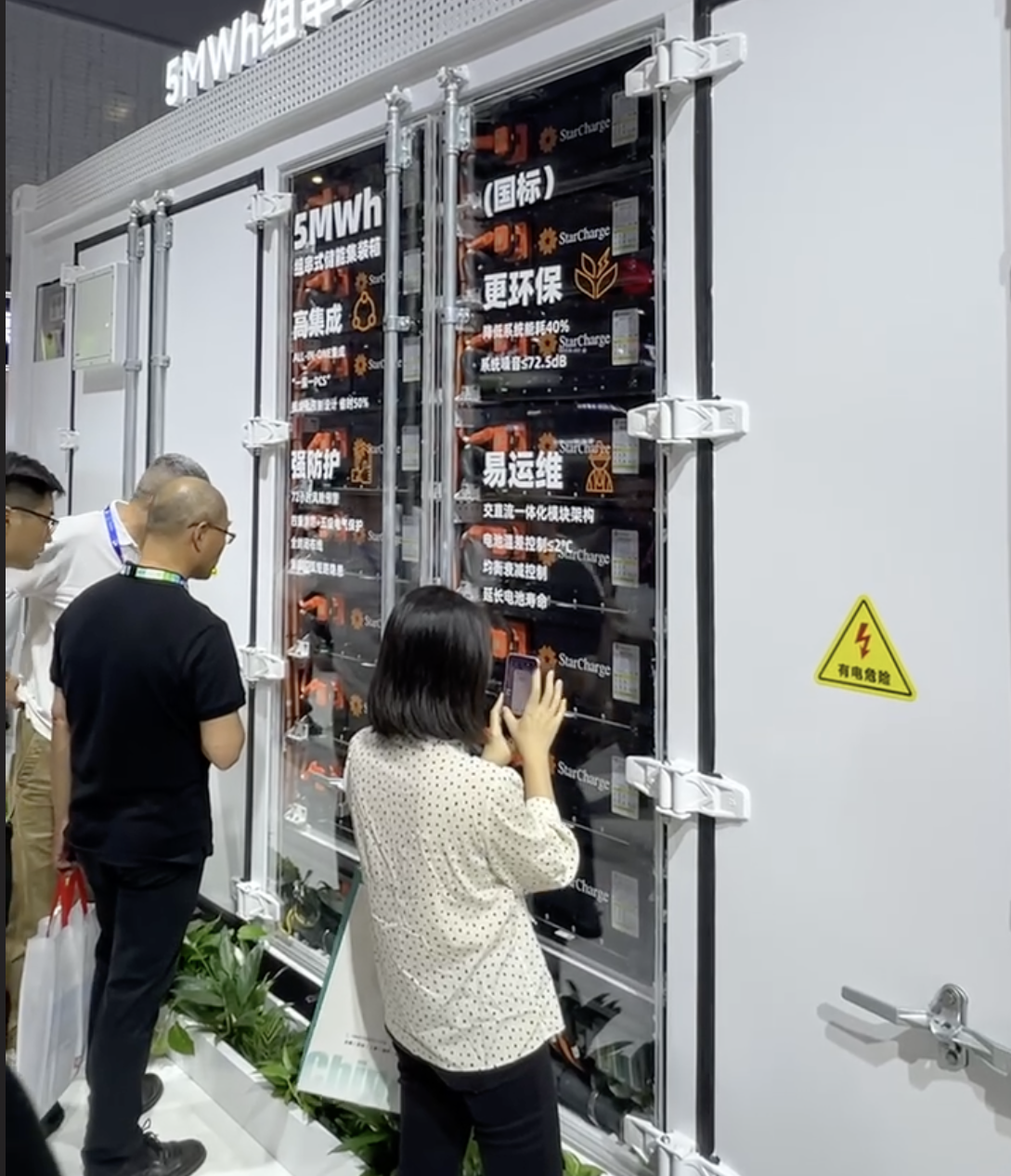
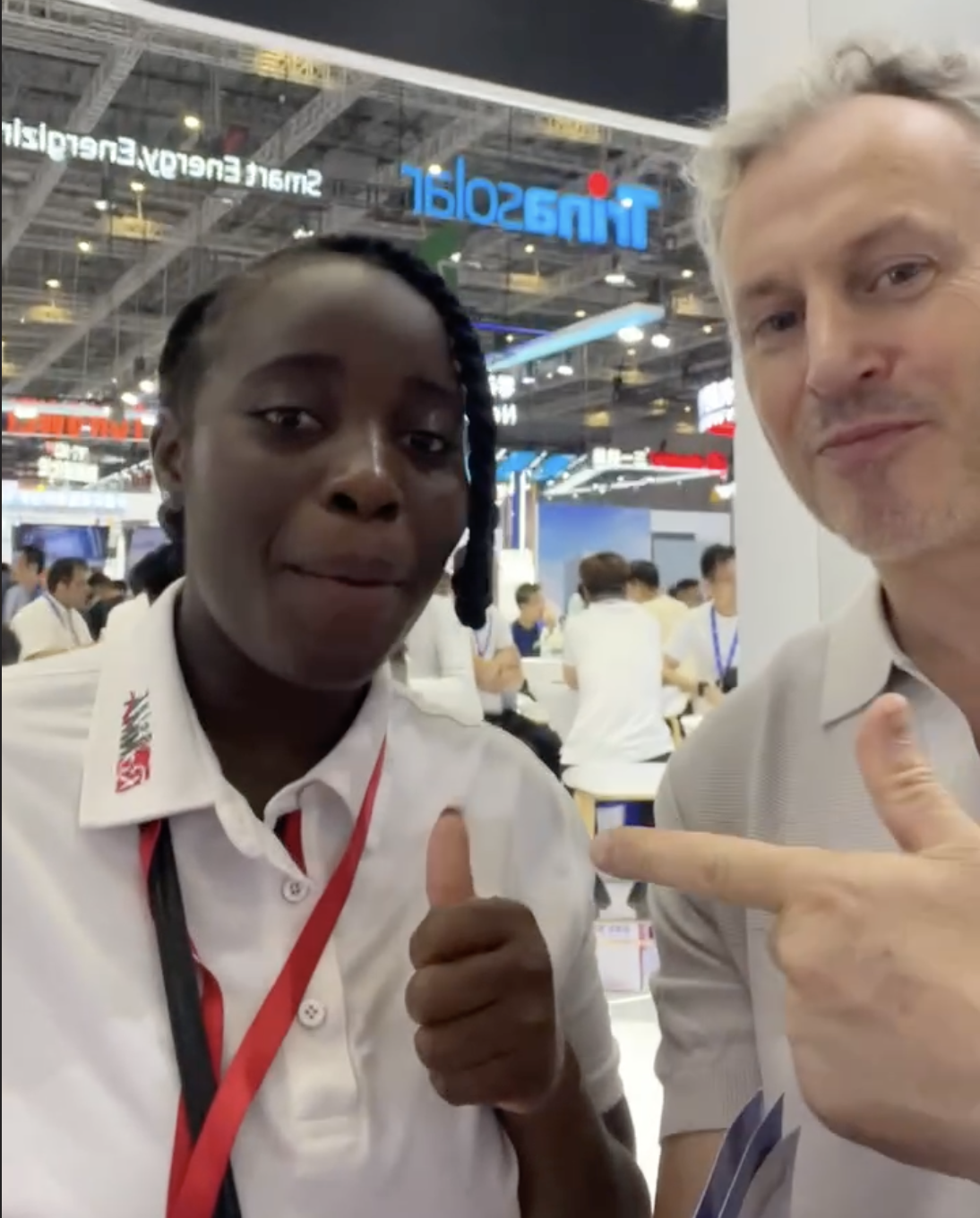
OGMA attended a three-day solar trade show in Shanghai in June 2025, meeting existing partners and developing new relationships across the photovoltaic, energy-storage, equipment and electric-mobility ecosystem. The value of the event was not only the number of products on display. It was the opportunity to speak directly with the people behind the factories, compare technical approaches and understand which ideas were mature enough to move into international projects. For executives, the key lesson is to treat an exhibition as an intelligence and qualification opportunity, not as proof that a product is ready to procure.
Three innovations stood out across the show. The first was the continued move toward automated, data-led solar manufacturing. Equipment for precision handling, inspection and process control showed how module quality is increasingly being protected inside the line rather than checked only at the end. For European buyers, that matters because production consistency, traceability and evidence of quality can be as important as nameplate efficiency when equipment is being specified for a long-life asset. A visit or demonstration can prompt useful questions about process control, but it does not substitute for production records, independent testing or assessment of the specific product line.
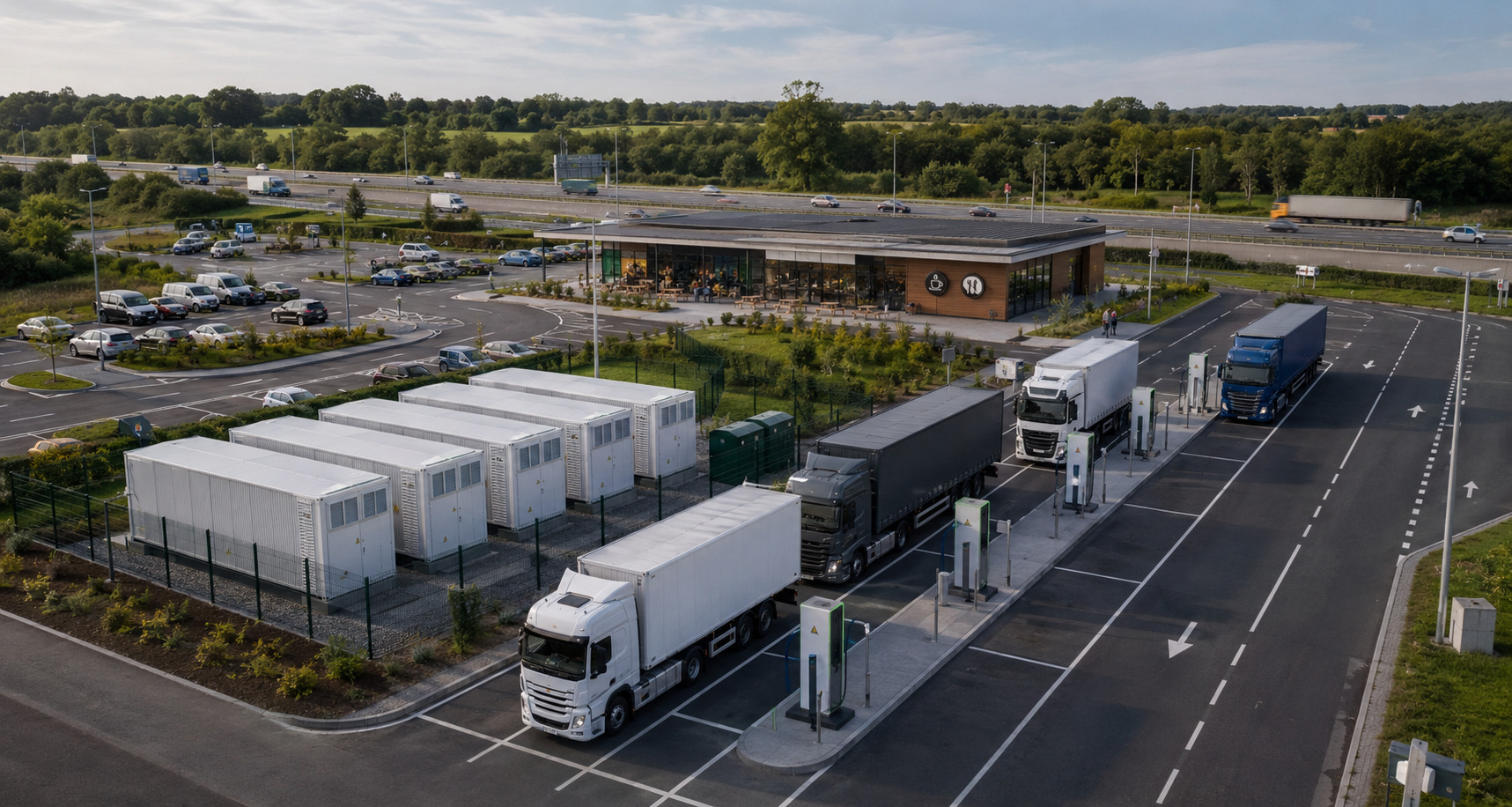
The second was the integration of solar generation with storage, charging and wider energy management. High-power charging equipment, including bidirectional systems, pointed toward a more connected energy model in which a vehicle, battery and solar installation can be coordinated rather than procured as separate boxes. That creates opportunities for commercial sites, logistics depots and future energy parks—but only when grid capacity, controls, safety, warranties and software are designed together from the outset. Bidirectional capability should be assessed against the intended vehicle, charging protocol, site connection and operating case; a feature on a display does not establish compatibility or a viable business model.
The third was the expansion of solar beyond a standard rooftop or ground-mount panel. New structures and application-specific systems were being designed around carports, commercial sites, constrained land and the architectural needs of the customer. The direction is clear: the winning solar solution will often be the one that fits the site, the operating model and the wider energy system, not simply the one with the lowest module price. Alternative structures can introduce different foundations, drainage, access, maintenance and planning considerations, so their suitability is a project-specific engineering decision.
These themes have direct procurement implications. A buyer comparing a conventional module with a system-level offer should specify the duty and acceptance criteria before comparing quotations. Relevant items can include rated performance, applicable certification, operating environment, electrical interfaces, monitoring, installation method, warranty scope, service arrangements and lifecycle support. Where software or several devices are involved, identify data ownership, system boundaries, communications protocols and responsibility for integration. A technology with more features may improve site value, but can also create additional dependencies and troubleshooting interfaces.
Commercial teams should separate evidence from sales claims. Request the technical datasheet and certificates for the exact model, manufacturing location, quality-control approach, references relevant to the intended use, warranty documentation and a realistic delivery schedule. Validate the legal supplier and clarify which entity is responsible for product support. Ask whether the manufacturer can supply replacement parts, provide technical escalation and support installation or commissioning in the target market. Where a claim cannot be independently confirmed, record it as an open diligence item rather than silently treating it as established performance.
For OGMA, the show reinforced the importance of relationships. Existing partners gave us a direct view of their latest capabilities and production priorities, while new conversations opened routes into specialist manufacturing, automation, charging and integrated energy systems. The next step is qualification: understanding which suppliers have the engineering depth, documentation, quality discipline and international support needed to move from an impressive stand to a dependable delivery programme. The event itself did not remove the need for project-specific technical and commercial diligence.
A practical post-show checklist is to shortlist only products that meet a documented project need; request complete evidence for the precise model and factory; compare landed cost and delivery risk alongside headline price; identify integration and warranty boundaries; and agree who will close outstanding questions before any order. A pilot or reference check may be appropriate where a new system carries material operational risk, but the scope and success criteria should be explicit. Avoid letting exhibition momentum drive specification changes without checking grid, site, safety and financing constraints.
OGMA helps clients turn that process into a practical route to market. We can translate a European project requirement into a clear technical brief, identify and compare manufacturers, arrange factory and product due diligence, negotiate the commercial structure, coordinate documentation and manage the supply chain through delivery. Our role is not simply to find a product at a show. It is to build confidence around the partner, the specification and the route from Shanghai to a successful project anywhere in the global marketplace. The executive choice is not whether to pursue innovation, but how to apply a proportionate qualification process so that promising equipment becomes a credible fit for the project.

0 Comments