

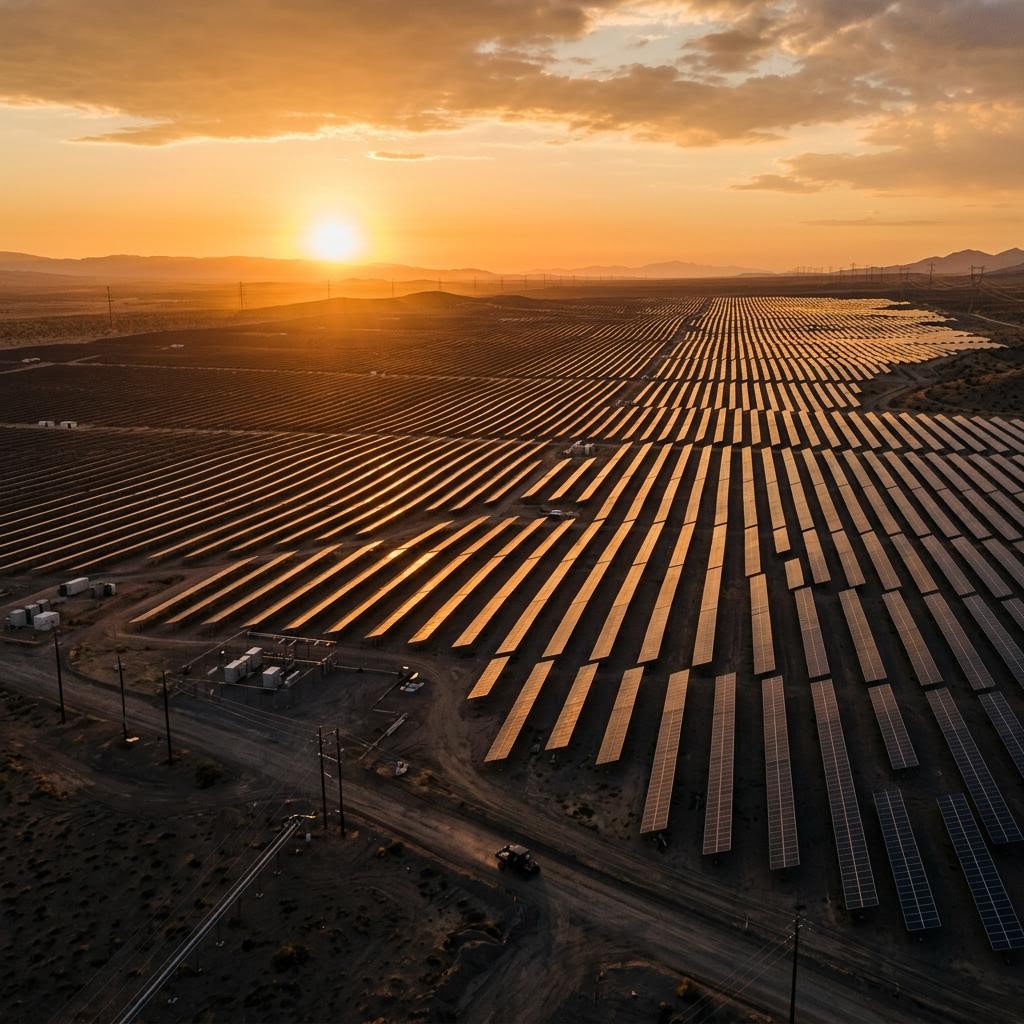
Lower PV module pricing improved the apparent economics of many European solar projects, but it did not remove the need to prove that the equipment would perform and remain supportable. As purchase prices fall, a relatively small difference in product quality, delivery reliability or warranty recourse can become more important to the lifetime value of a project. Executives should therefore shift the comparison from unit cost alone to bankability: whether the module, manufacturer, documentation and supply arrangement can withstand technical, commercial and financing scrutiny.
Factory continuity matters because a solar asset is expected to operate over a long period, while the commercial fortunes of manufacturers can change. Buyers should consider the manufacturer’s operating history and financial strength, but should not confuse scale or brand visibility with a guarantee of future support. Ask which legal entity is responsible for the warranty, where the product is manufactured, how quality controls and traceability operate, and how long the specific product line is expected to remain supported. Review what independent evidence is available and identify information that cannot be verified. The purpose is not to predict a supplier’s survival, but to understand exposure if ownership, production or support arrangements change.
Warranty enforceability deserves more attention than the duration stated in a sales document. Read the actual terms, identify the warranting entity and governing process, and examine exclusions, claim deadlines, evidence requirements and available remedies. Determine whether a claim would require removal, inspection, replacement or transport and who bears those costs. A product warranty may not compensate for lost generation or consequential project costs. Buyers should not assume that a long nominal term means a simple or complete recovery. Legal review should consider the counterparty and enforceability; technical teams should consider whether the required evidence can be collected throughout operation.
Degradation assumptions also affect a project’s long-term energy model. Confirm which performance figures apply to the offered module, what measurement basis and test conditions support them, and whether the financial model uses the same assumptions. Degradation is not the only factor that shapes delivered output: soiling, shading, mismatch, wiring and conversion losses, availability, curtailment and operating conditions also matter. A more favourable module assumption cannot compensate for an optimistic system-level forecast. Independent energy-yield assessment and clear documentation help lenders and investors understand how module data flows into the expected generation case.
The comparison should use a delivered cost and a realistic schedule. Include freight and insurance, duties or other import costs where applicable, finance and inventory costs, inspection, warehousing, handling . Assess the probability and impact of delay as scenarios rather than claiming a precise forecast where evidence is limited. A supplier offering a lower price but uncertain allocation may increase the risk of crew disruption or a missed project milestone. A more expensive option is not automatically safer; its premium should be justified by a verifiable advantage such as specification fit, support, quality evidence or delivery confidence.
A practical diligence file should include the final technical specification and approved datasheets; product and factory identification; certification and test records; quality and traceability information; warranty text and responsible entity; inspection and shipment records; the basis for degradation and yield assumptions; and the commercial comparison of delivered cost and schedule. Document versions and approvals should be controlled. This reduces ambiguity between what was quoted, what was manufactured and what was installed, and it gives the owner a more usable record if a problem emerges later.
Executives can ask: Is the exact module and production source identified? Does independent evidence support the technical claims and model assumptions? Who stands behind each warranty, and what must the owner do to enforce it? How will products be inspected and traced from shipment through installation? Are logistics, financing and schedule included in the cost comparison? Has the project’s lender or technical adviser reviewed the product where required? What happens if the approved product is unavailable or the supplier proposes a change? These questions encourage a consistent decision rather than a price-led exception made under time pressure.
The trade-off is between near-term capital savings and confidence in long-term delivery and support. Over-specifying products or paying a premium without a project-specific benefit can erode economics; selecting solely on the lowest bid can transfer unpriced quality, schedule and counterparty risk to the owner. The right choice depends on project design, financing expectations, supplier evidence, logistics and the buyer’s ability to manage residual risk. Lower prices create an opportunity, but they also make disciplined comparison more important.
For OGMA, the supported relevance is manufacturer assessment, technical documentation and procurement coordination. Helping clients connect factory information with project requirements can make supplier comparisons more transparent. A module is commercially attractive when its price is assessed alongside quality, delivery, warranty enforceability and operating assumptions. The objective is not to promise risk-free equipment, but to ensure the investment case is based on products and commitments the buyer can verify and manage.

0 Comments