

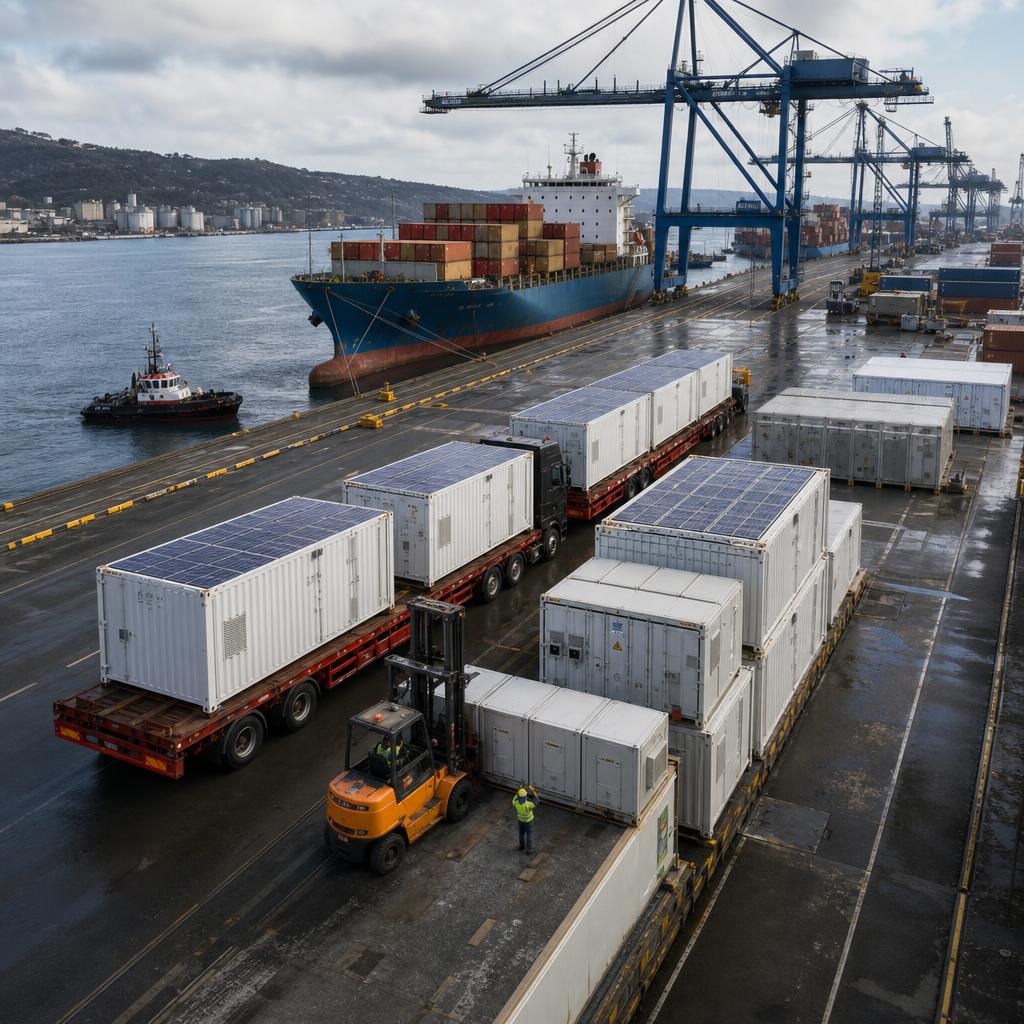
For a solar buyer, the relevant price is the cost of compliant modules delivered when the project needs them, not the factory-gate quotation. In May 2026, European and UK procurement teams were weighing freight, insurance, port congestion, duties and inland transport alongside module pricing. These factors can change project economics and the risk of missing installation milestones. The decision is which sourcing route and purchase commitment balance total cost, timing and delivery confidence.
A landed-cost model follows the shipment from manufacturer to the point modules are ready for use. Depending on the route and transaction, costs may include product price, export handling, freight, insurance, port and terminal charges, customs costs, duties where applicable, inland haulage, storage and handling. Record who is responsible for each element and the assumptions behind estimates. Quotations with different delivery terms or exclusions are not directly comparable and can leave costs unowned after award.
Route choice is both commercial and operational. Direct shipment may reduce handling steps; a different port or consolidated route may offer other advantages. Neither should be assumed faster or cheaper without current route-specific information. Port capacity, congestion, sailing schedules, transhipment, customs processing and inland distance affect the programme. A delay can disrupt site sequencing when modules must arrive alongside mounting structures, inverters and installation crews. Model a realistic delivery window and identify where a buffer is justified.
Availability claims also need qualification. Stated production capacity is not the same as a confirmed allocation, and a factory-ready estimate does not guarantee arrival at site. Confirm the model and specification allocated, the production milestones supporting the date, and how changes will be communicated. Check that modules meet project specifications and market requirements. A substitute may differ in dimensions, electrical characteristics, documentation or compatibility, so substitutions should require technical approval rather than occur silently.
Currency and payment terms can alter the comparison. Confirm the transaction currency, when exchange exposure arises, deposits or milestone payments, and the evidence required before payment. Treasury and finance teams can assess how currency movement or payment timing affects budget certainty. Check insurance against the full journey and hand-offs: who bears risk at each stage, and how would damage or shortage be evidenced? These questions cannot be resolved by the headline unit price.
Trade and customs treatment must be verified for the specific product, origin, destination, shipment date and transaction. Avoid generic assumptions about duties or border procedures. Obtain specialist advice where required, confirm documentation, and agree who supplies it. Accurate product descriptions, origin records, invoices, packing lists and shipping documents reduce avoidable uncertainty. A change in source or route should trigger review of both paperwork and cost assumptions before dispatch.
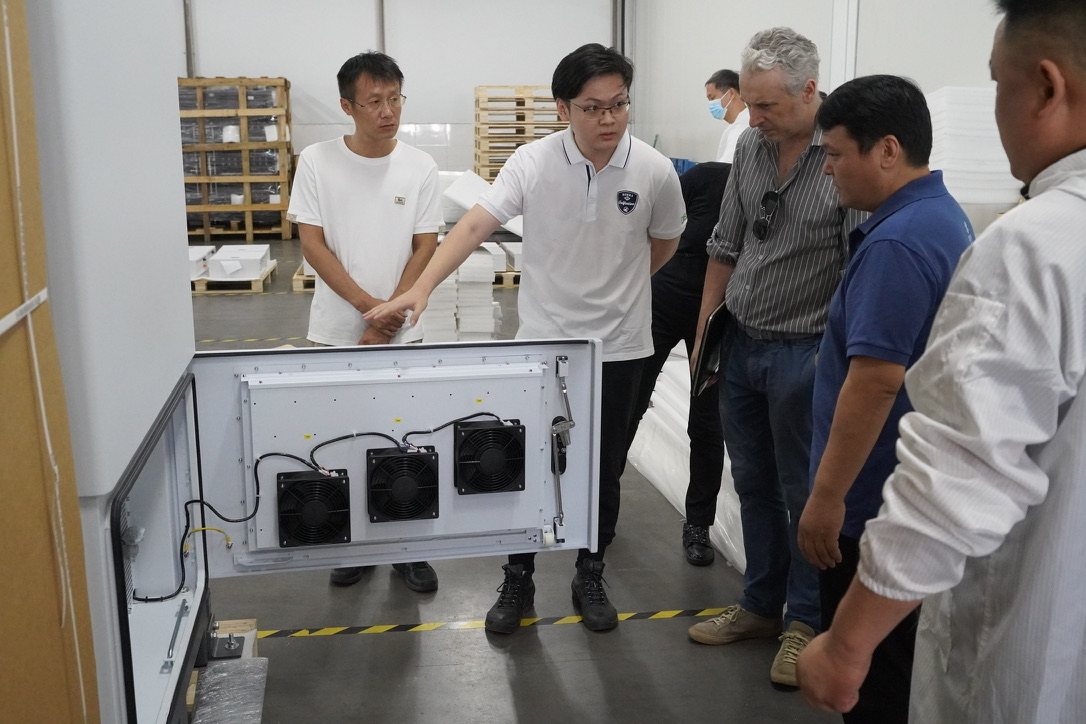
The lowest quotation may also conceal quality and warranty exposure. Align module model, bill of materials, certification, testing evidence, warranty terms, traceability and supplier support. Factory audits, sample checks or pre-shipment inspection may be appropriate depending on order size and risk; define their scope rather than treating them as generic assurance. Establish how discrepancies are handled and whether remedies address practical inspection, replacement or delay costs. Reliable logistics have limited value if the delivered goods differ from specification.
Volume commitments present trade-offs. Reserving production or freight may improve visibility but tie up cash, reduce flexibility or expose the buyer if project approvals, grid dates or construction sequencing change. Splitting orders across suppliers can diversify some risks but complicate compatibility, documentation and site coordination. Consolidation may simplify administration while increasing reliance on one supplier or route. Choose a structure that reflects the project pipeline, inventory tolerance and consequences of late delivery.
Before committing volume, executives should request a like-for-like landed-cost comparison; written delivery assumptions and milestones; confirmation of allocated product and specification; an ownership map for customs, insurance and freight; and a contingency plan for delay, damage, shortage or substitution. Separate fixed costs from estimates and identify what would trigger re-routing or re-sourcing. Regular updates among buyer, supplier and logistics provider keep changes visible and allow teams to respond before site schedules are affected.
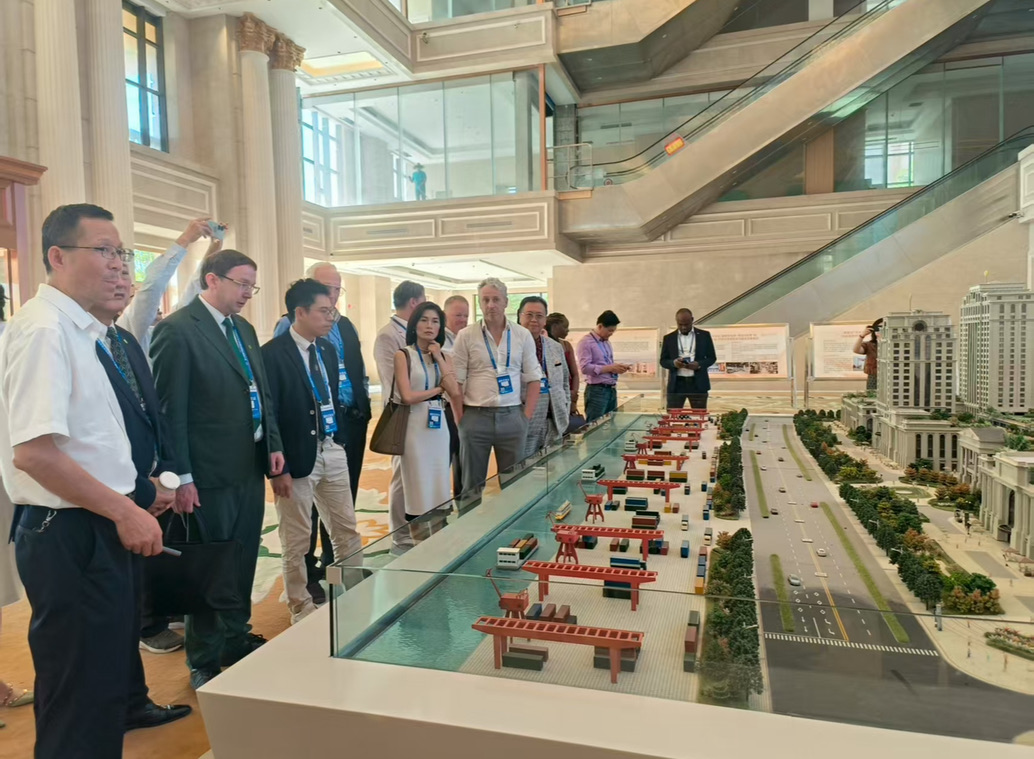
Direct supplier communication from Asia helped project teams understand what was genuinely available and when it could reach site. It is useful when it tests evidence: production plans, model specifications, shipping assumptions, documents and accountable contacts. Proximity and relationships do not remove the need for written terms, independent checks or contingency planning. A freight quotation is a snapshot, not a guarantee that conditions will remain unchanged through shipment.
Landed-cost discipline makes logistics part of sourcing strategy rather than a late administrative task. The aim is not to predict every disruption, but to identify risk ownership, understand the chosen route’s cost and preserve options where uncertainty matters. A decision grounded in delivered economics and credible timing is more useful than a factory price that leaves the project to discover its actual costs after the purchase order is signed.

0 Comments