

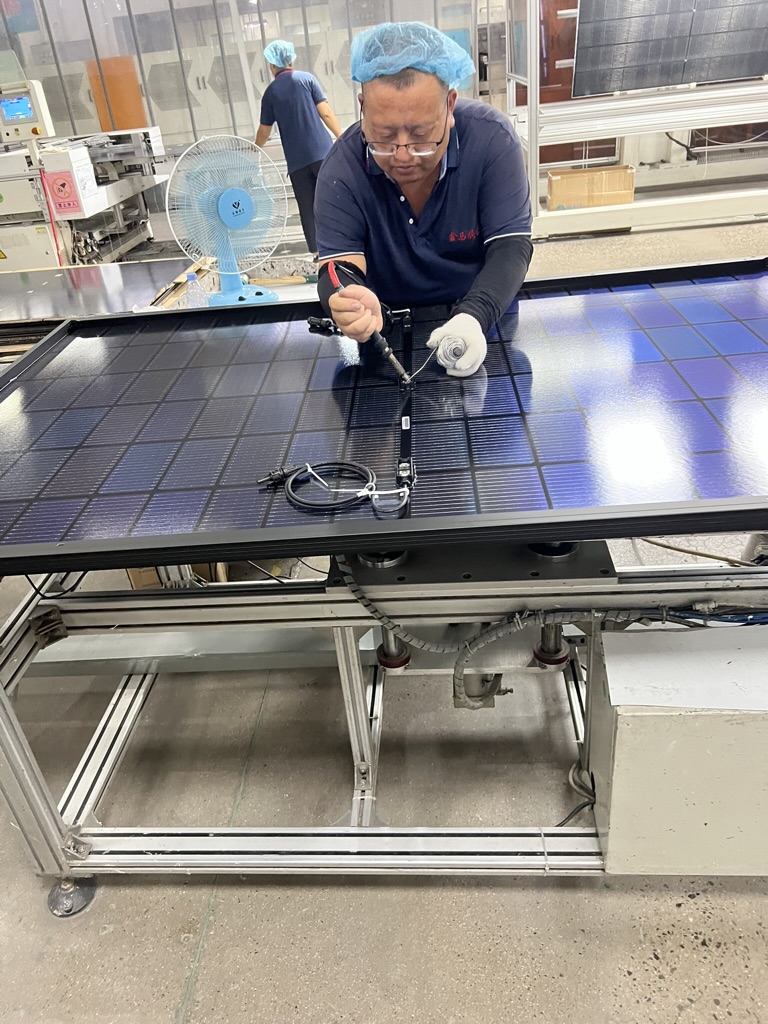
Integration changes where operational and commercial risk sits in a solar supply chain; it does not remove risk. During factory visits in August 2024, OGMA saw manufacturers bringing more stages under common organisational control, from silicon ingot and wafer processing to cells, modules, power electronics and battery-energy-storage systems. The executive question is whether this structure creates verifiable coordination, quality and accountability—or concentrates reliance on one supplier group.
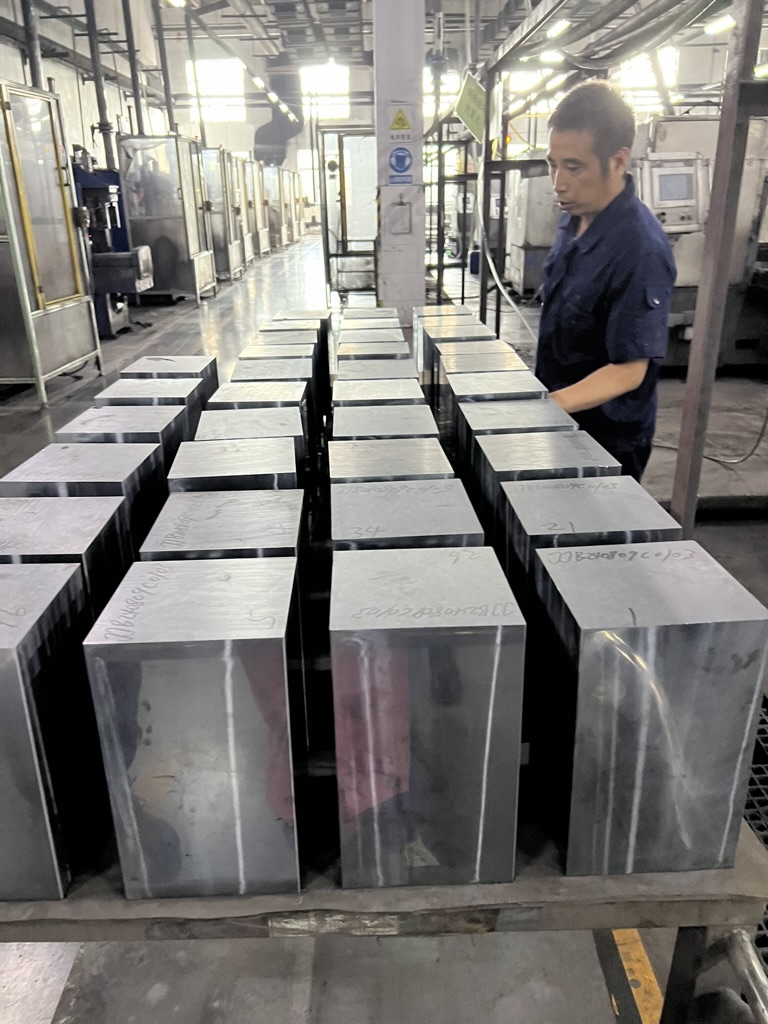
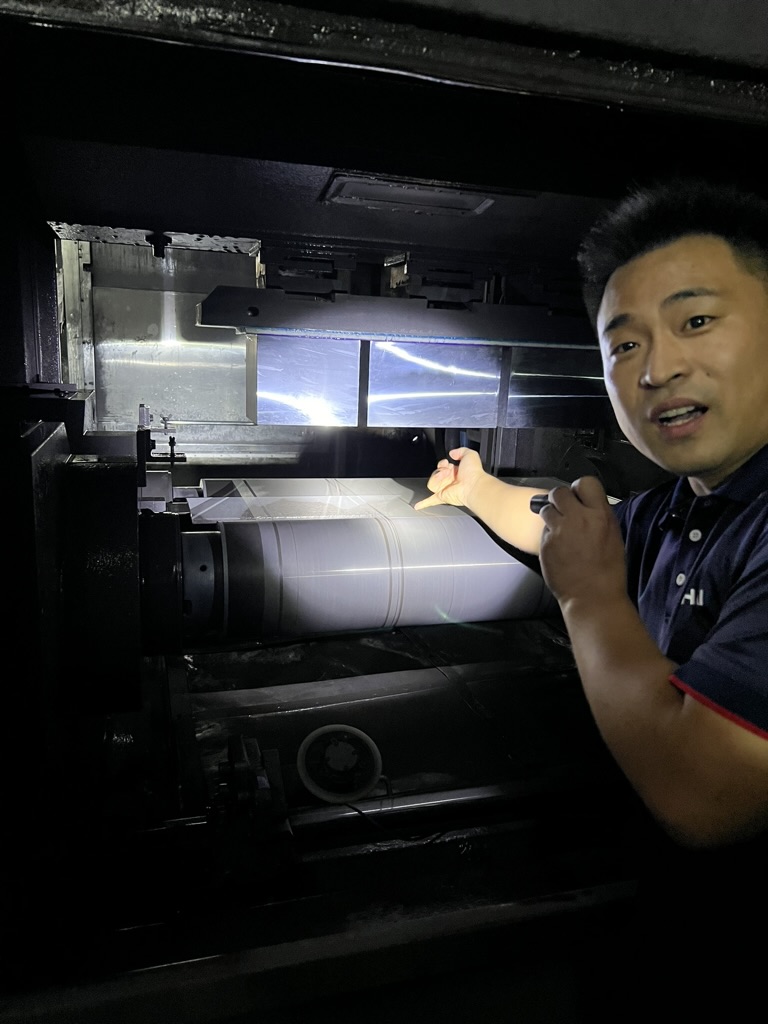
The chain begins with high-purity silicon formed into ingots with controlled crystal properties. Ingots are shaped and sliced into wafers; dimensional accuracy, material consistency and traceability affect later yield and performance. Wire-saw operations balance throughput, thickness, surface condition, breakage and material loss. Thinner wafers may reduce silicon use but are more fragile. A defect early in production can pass into more expensive stages before detection, making upstream process controls commercially important.
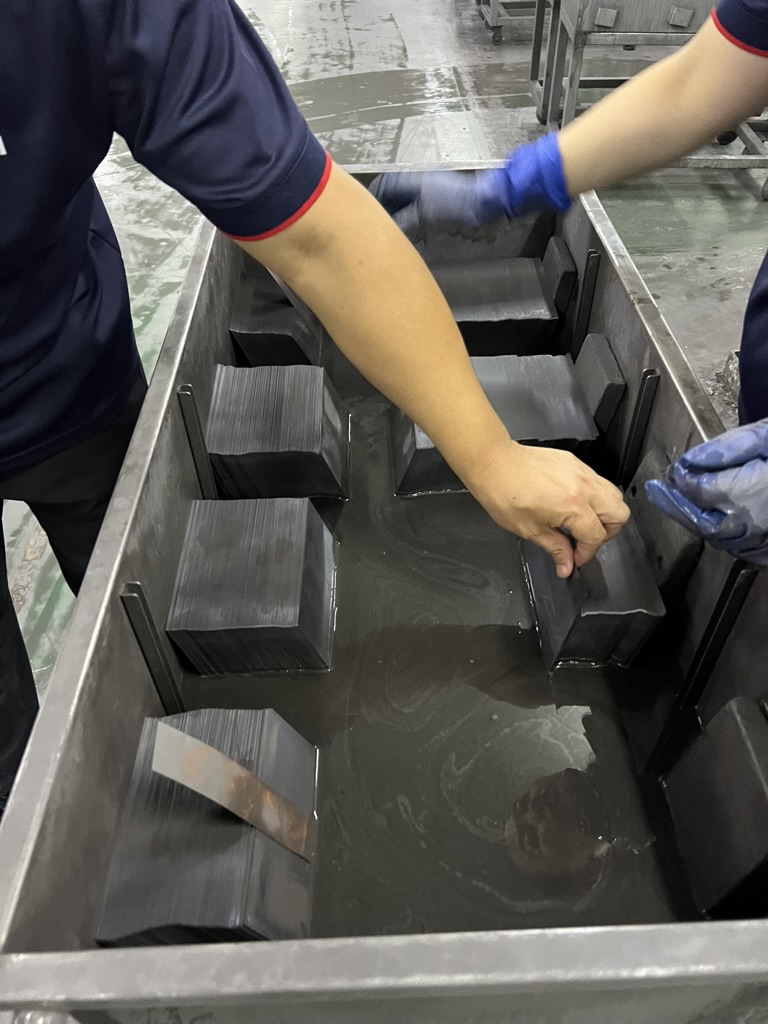
After slicing, wafers are separated, cleaned and inspected before cell production. Residue or surface damage can affect later treatments, while chips and cracks reduce yield. Water quality, contamination control, handling and monitoring matter alongside the saw itself. A tour of one advanced machine does not establish control of hand-offs, where material identity and condition must be maintained. Cell production then applies treatments, coatings, patterning and metallisation. Different technologies require distinct controls, but manufacturers seek higher efficiency alongside yield, durability and repeatable output.
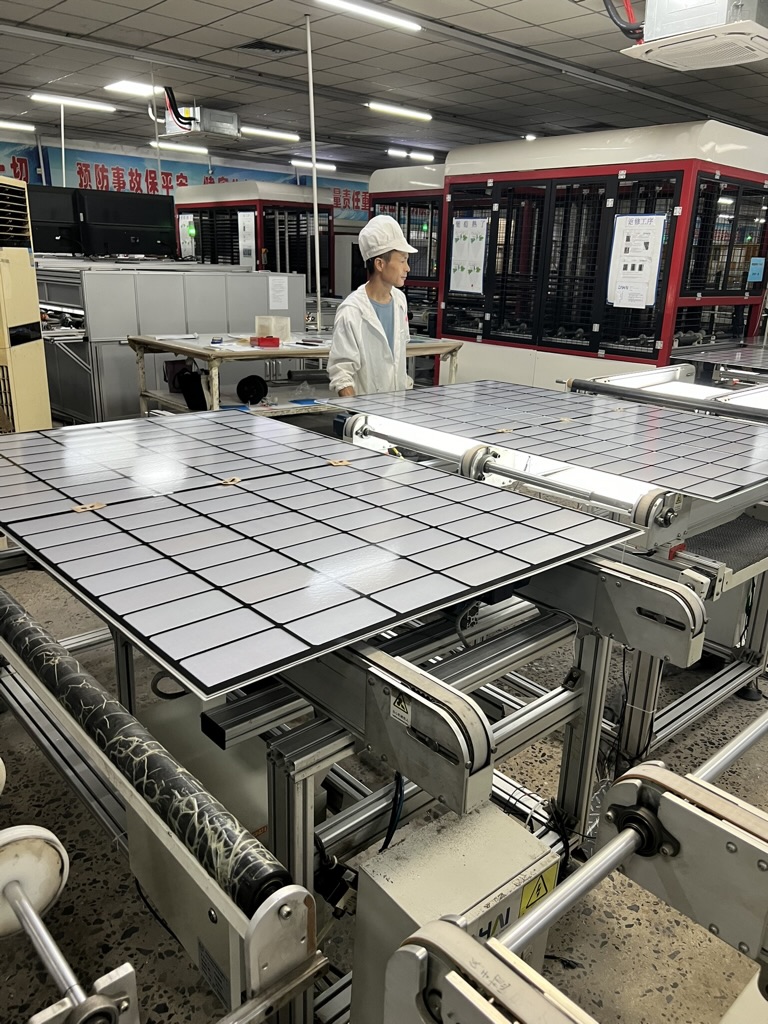
Coordination between wafer and cell operations may help engineering teams locate whether a problem began in incoming material or subsequent processing. Buyers should test that proposition against quality records, process ownership and corrective-action evidence rather than assume common ownership ensures effective information flow. Module production combines cells with glass, encapsulant, interconnections, backsheets or rear glass, frames, sealants and junction boxes. Automation can align cells and manage assembly and curing; operators handle exceptions. Testing and inspection should produce evidence that products meet specification before packing. Customers need conforming modules, traceable batches and dependable delivery, not simply a claim of vertical integration.
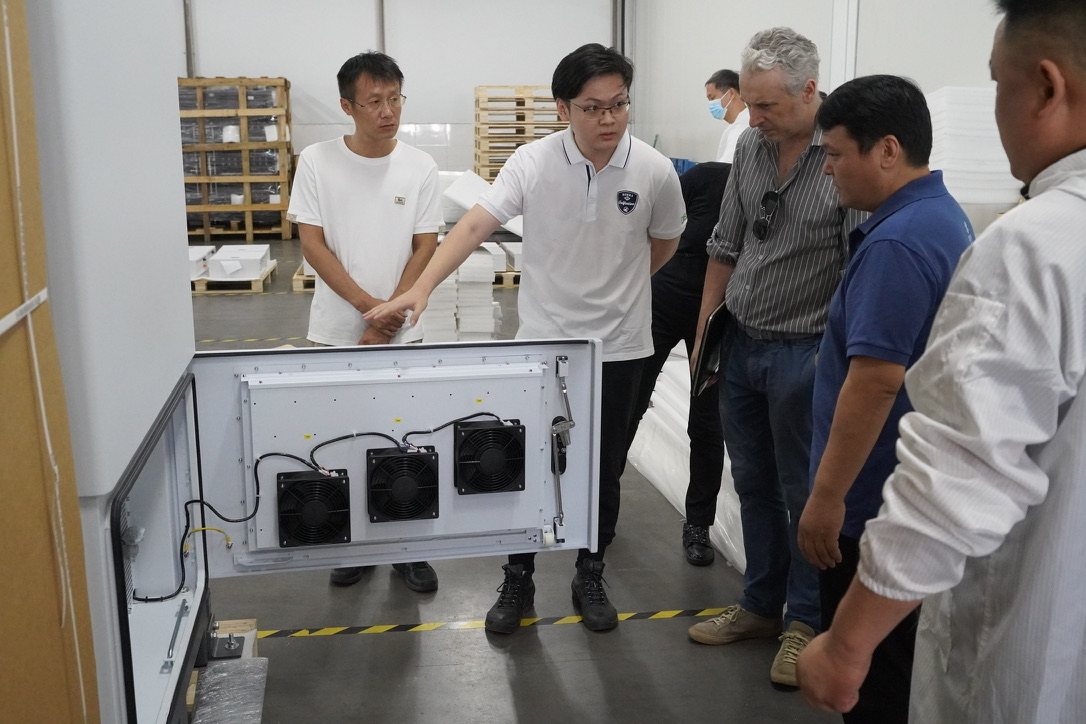
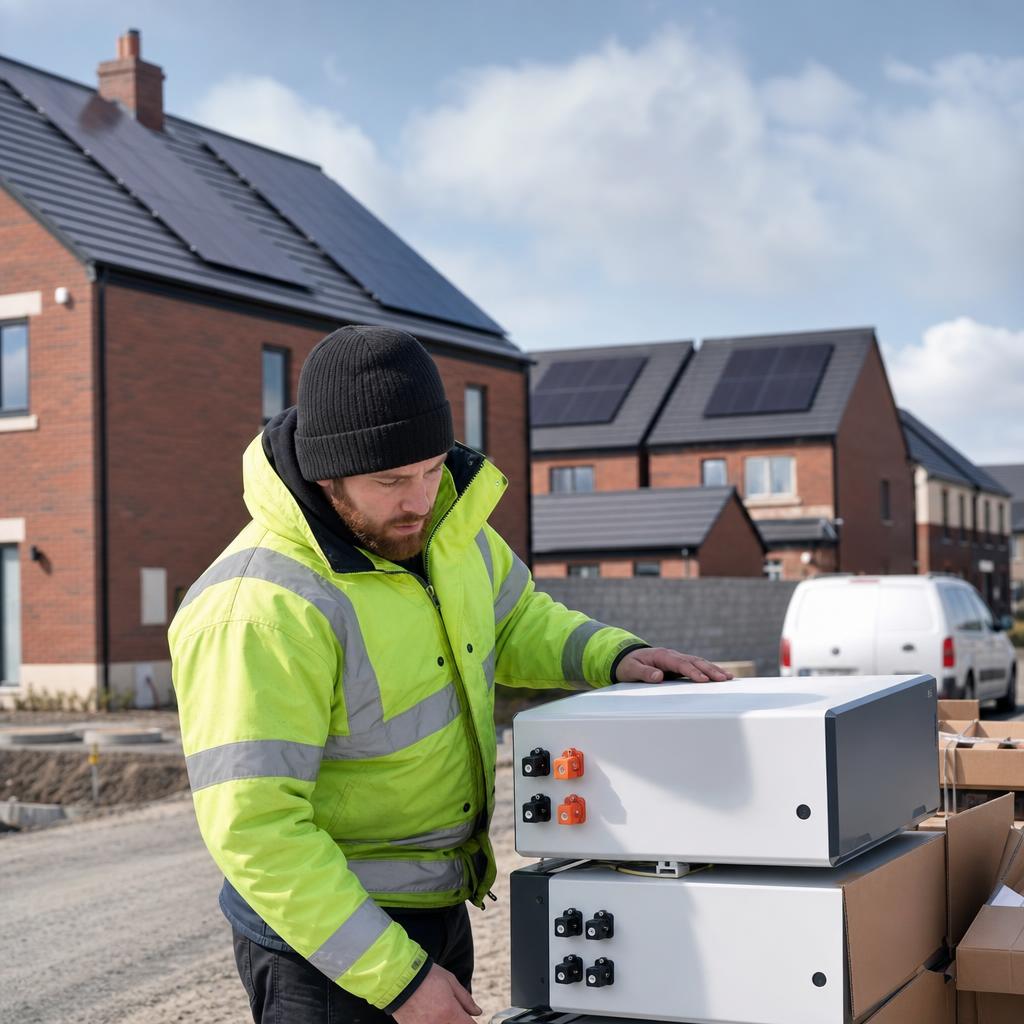
Some groups extend integration to inverters, controls and batteries. A coordinated package can simplify communications, protection settings and support, and provide a clearer escalation route for cross-component faults. This may reduce interface work for project teams with limited engineering capacity. The trade-off is concentration: one group’s balance sheet, service organisation and technology roadmap support more of the project. A shared software issue, design weakness or production disruption could affect several products. Buyers should define warranty boundaries, performance responsibilities, the entity standing behind each commitment, spare-parts provision and local technical escalation.
Vertical integration does not necessarily mean self-sufficiency. Manufacturers may depend on external materials, machinery, software or battery cells. Establish which processes are genuinely in-house, the physical production sites, subcontracted stages and critical external inputs. Product families may come from different locations. Check whether traceability and quality systems apply consistently and whether stated capacity reflects operating equipment and current production rather than future plans. Integration can improve visibility of material needs and capacity, but extra facilities also require maintenance, change control and consistent management.
Factory diligence should examine incoming inspection, process controls, calibration, yield and defect trends, audit findings, corrective actions and product-change controls. Ask how a disruption at a site or component supplier would be managed. Map the product chain and accountable entities; connect records for inputs, process stages and finished goods; compare capacity claims with operating evidence; and review testing, release, warranty, service and spares. Record what remains unverified and whether further evidence, independent testing, contract terms or a second source is appropriate.
Procurement architecture depends on project priorities. An integrated package may suit a project valuing interface control and one escalation route; multiple suppliers may better support diversification, component choice or negotiating flexibility. Neither approach is universally superior. Compare total cost, including engineering coordination, logistics, service and replacements, as well as the initial price. Make responsibilities and hand-offs explicit whichever structure is selected.
OGMA’s factory tours follow material preparation, processing, automated production, finishing, testing, quality control and packing. The team engages production, engineering and management staff and compares stated capability with operating evidence. This supports supplier assessment and procurement decisions, while leaving project-specific acceptance and contractual diligence with the buyer.
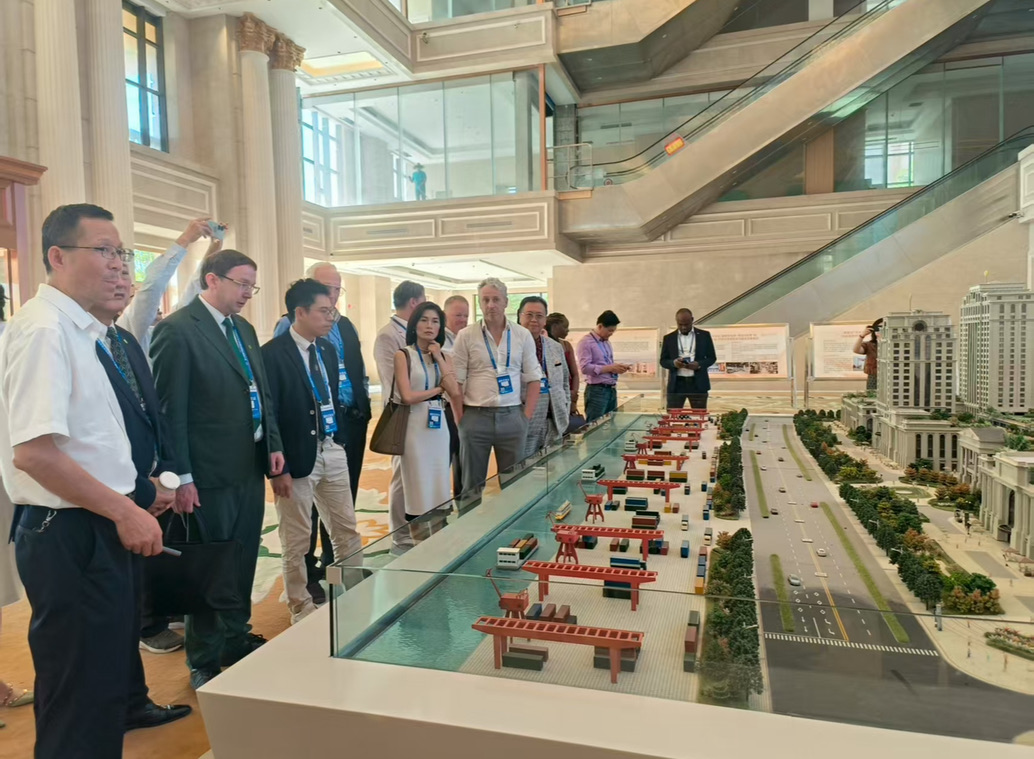
The decision is how much coordination to buy from integration and how much resilience to retain through verification and sourcing choices. Integration can connect material knowledge, production data and system engineering, but value depends on control and accountability at each stage. Viewing the factory as linked processes, rather than a brand or datasheet, gives project owners a more robust basis for selecting partners.
0 Comments