


Solar buyers should compare the cost and timing of equipment at the project site, not only the module price at the factory gate. In August 2024, freight, insurance, port handling and inland delivery were taking a larger share of landed cost than many project models allowed. For European buyers sourcing from Asia, a supplier quotation was a starting point: route, schedule, packing, documents and exception management all shaped the economics.
Begin with like-for-like quotations. Confirm whether the price is ex-works, free on board or includes carriage and insurance to a named destination, and identify where cost and risk transfer. Check export packing, origin handling, ocean freight, destination charges, customs brokerage, applicable duties, unloading and final transport. Incoterms allocate responsibilities differently, so a low headline price may leave charges or obligations outside the buyer’s estimate.
Map the shipment from factory release and container loading through port departure, transit, arrival, clearance, port release, inland movement and site receipt. Production completion does not mean a container is ready to sail, and arrival at port does not mean it is ready for installation. Vessel schedules can change, congestion can delay release and a site may lack access, storage or lifting equipment when delivery is offered. Link procurement milestones to the construction plan and use realistic buffers rather than treating indicative dates as fixed.
Packaging affects both cost and product condition. Establish pallet configuration, loading plan, stacking limits, moisture protection and the receipt-inspection process. Record visible damage before signing delivery documents, photograph affected goods and follow the supplier’s notification procedure promptly. Evidence at each hand-off helps clarify whether a problem arose in manufacturing, transport or handling. Agree who will inspect and how affected modules are segregated while a decision is made.
Review insurance against the route and allocation of responsibility. Confirm the insured party, coverage period, value, exclusions, deductible and claims process. A certificate alone does not show that every loss scenario is covered. Establish who notifies the insurer, preserves evidence and arranges inspection. Documentation also affects clearance: invoices, packing lists, transport documents, origin information, product records, serials and customs data should be accurate and consistent. Agree formats and review ownership before dispatch; do not assume a standard supplier pack meets the buyer’s market and import requirements.
Plan beyond the port. Confirm site access, vehicle restrictions, delivery appointments, unloading, temporary storage and onward transport. A shipment arriving before foundations, lifting equipment or secure storage are ready may require double handling. Splitting shipments to match construction phases can reduce storage exposure but may increase handling cost and complicate batch traceability. The appropriate choice depends on order size, project sequence and local transport constraints.
Model landed cost as a range. Include equipment, freight, insurance, terminal and handling charges, customs-related costs, inland haulage, storage, inspection and possible delay exposure. A base and downside case show which assumptions matter and the contingency the business has selected; they do not imply that every shipment will incur every cost. Currency and payment timing can also affect the effective cost where purchase and project revenues use different currencies.
Delivery certainty has commercial value. Late modules may defer commissioning, disrupt contractor utilisation or require storage and rehandling. The impact depends on the project’s programme and commercial arrangements, so buyers should model it rather than assume a uniform penalty. Agree evidence for dispatch, schedule-change escalation and technically acceptable alternatives before a disruption occurs. Ask suppliers to distinguish confirmed production allocation from indicative availability and to provide milestone updates. Clarify who controls the goods, books freight, authorises changes and manages claims.
A pre-order checklist should reconcile scope and Incoterms; calculate landed cost; confirm production and shipment milestones; review packing and loading; verify insurance and claims ownership; agree documents; plan clearance, inland delivery and receipt; define damage inspection; and set cost and schedule contingencies. Assign an owner to each task and link the purchase order, serial ranges, transport documents and site acceptance in one shipment record.
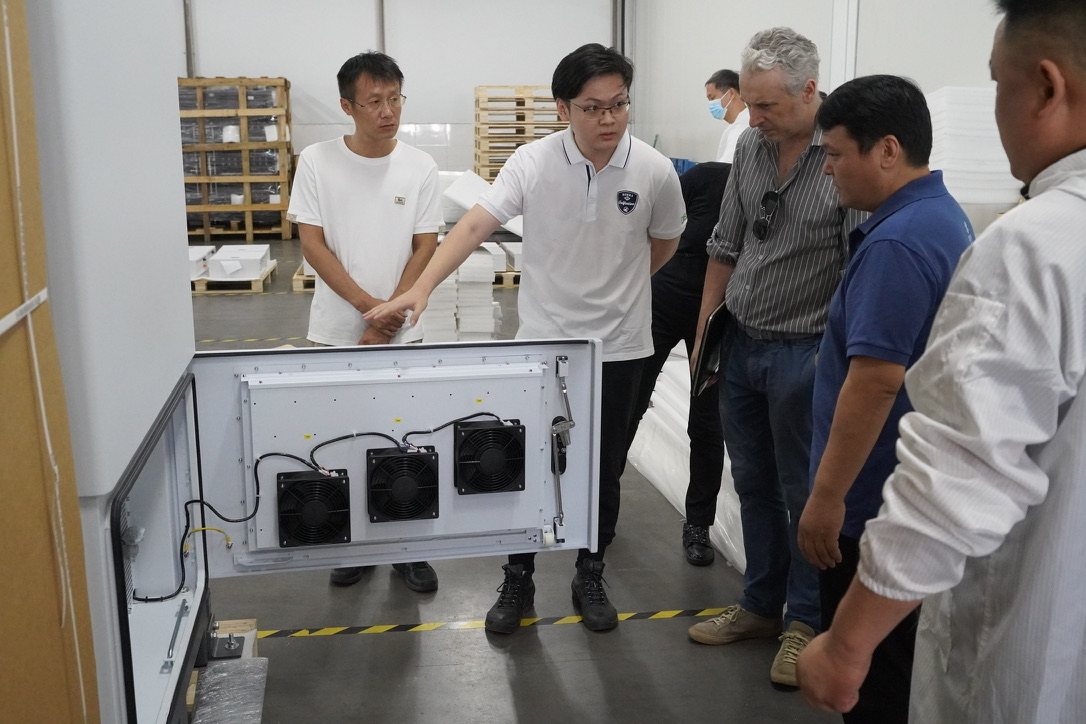
OGMA’s procurement approach compares delivered cost, production slot, packing, documentation and escalation support alongside the equipment specification. Supplier and factory assessment can help test capacity claims and clarify responsibilities through dispatch. It cannot remove shipping uncertainty, but can make assumptions visible and improve the response plan.
The decision is not to minimise freight at any cost, but to select a route and supplier combination consistent with schedule, risk tolerance and total installed economics. A disciplined logistics plan protects working capital, reduces avoidable handling and gives construction teams a firmer basis for planning. Equipment is useful when it reaches the right place in acceptable condition, with the documentation and timing needed for installation.

0 Comments