

Installer growth across the UK and Ireland can outpace procurement discipline. A larger order book and more crews create opportunity, but also multiply exposure to unavailable products, inconsistent specifications and late deliveries. One missing inverter or battery can postpone several jobs, leave skilled teams unproductive and damage customer confidence. The strategic test is whether procurement can turn sales into completed installations at an acceptable margin, not simply whether the business can win more enquiries.
The cost of a supply failure extends beyond the purchase price. Rescheduling, repeat visits, customer contact, expedited freight and unplanned substitutions all consume time and cash. A substitute may require compatibility checks, revised commissioning or additional training. Compare suppliers on total landed cost, dependable availability, specification stability and the effort required to resolve exceptions—not on a unit quotation alone.
A solar or new-energy system depends on modules, inverters, mounting, cables, connectors, batteries, controls and electrical or structural materials. A growing company may also procure warehouse automation, robotics, AI integration and tools for design, stock management, scheduling and after-sales support. Buying every category separately can leave the installer reconciling different lead times, documentation, warranties and delivery dates. Demand planning should connect each critical product to confirmed work, realistic pipeline and target site dates.
Build a rolling forecast that distinguishes firm orders from prospects, identifies approved specifications and names who can authorise changes. Stock policy should balance resilience with working capital: holding every product ties up cash and risks obsolescence, while relying entirely on just-in-time deliveries leaves crews vulnerable to disruption. Prioritise buffers for long-lead or hard-to-substitute items whose absence can stop a job, and review reorder points against actual use and supplier performance. Define acceptable alternatives in advance, including compatibility, certification, warranty and documentation checks.
OGMA can act as a bespoke procurement partner across this product range. The plan begins with an installer’s technical requirements, sales pipeline, preferred brands, price objectives, delivery programme and warranty expectations. It can consolidate demand, identify approved alternatives, consider production allocation and distinguish goods ordered to forecast from stock held as a buffer or purchases tied to confirmed installations. The installer still decides its specifications, volume and acceptable exposure; a partner cannot remove those commercial choices.
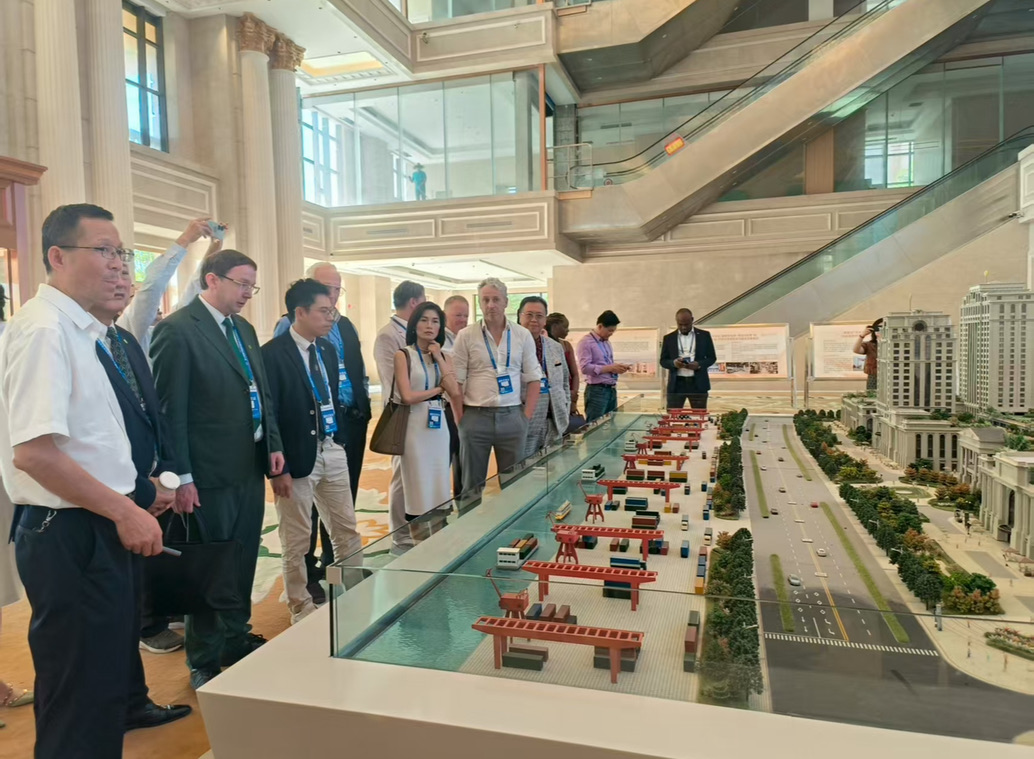
OGMA’s Shanghai base is close to manufacturers and industrial clusters supplying the New Energy sector. Its team can coordinate factories across PV modules, mounting equipment, cables, batteries, construction materials, robotics, AI integration and other related products. Local presence can support factory visits, capability comparisons and technical clarification across suppliers. It is not a substitute for product-specific qualification or evidence that a factory can meet a particular order and destination-market requirement.
Before relying on a supplier, assess its legal standing, production capacity, quality systems, certifications, technical documentation, traceability and warranty capability. A satisfactory sample does not prove consistent volume quality or long-term support. Establish which entity makes the product, signs the contract and stands behind warranty obligations; specify how component or firmware changes are approved. Then compare payment exposure, production milestones, warranty scope, service, spares and remedies as well as price. Currency, freight, duties, inspection and working capital all contribute to delivered cost.
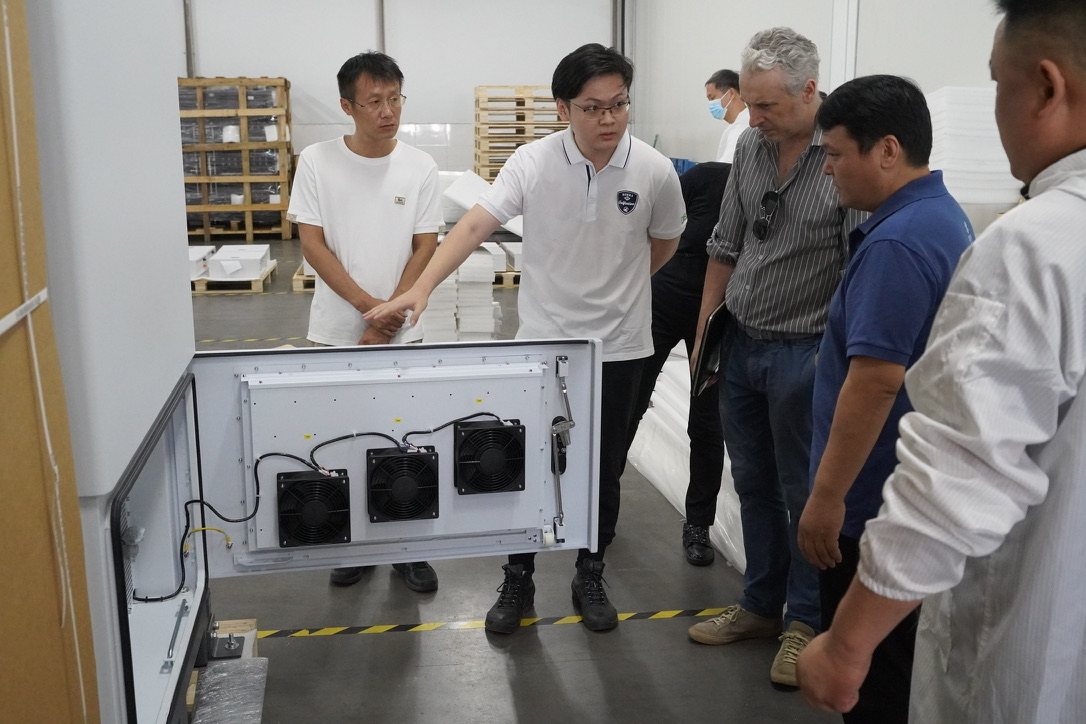
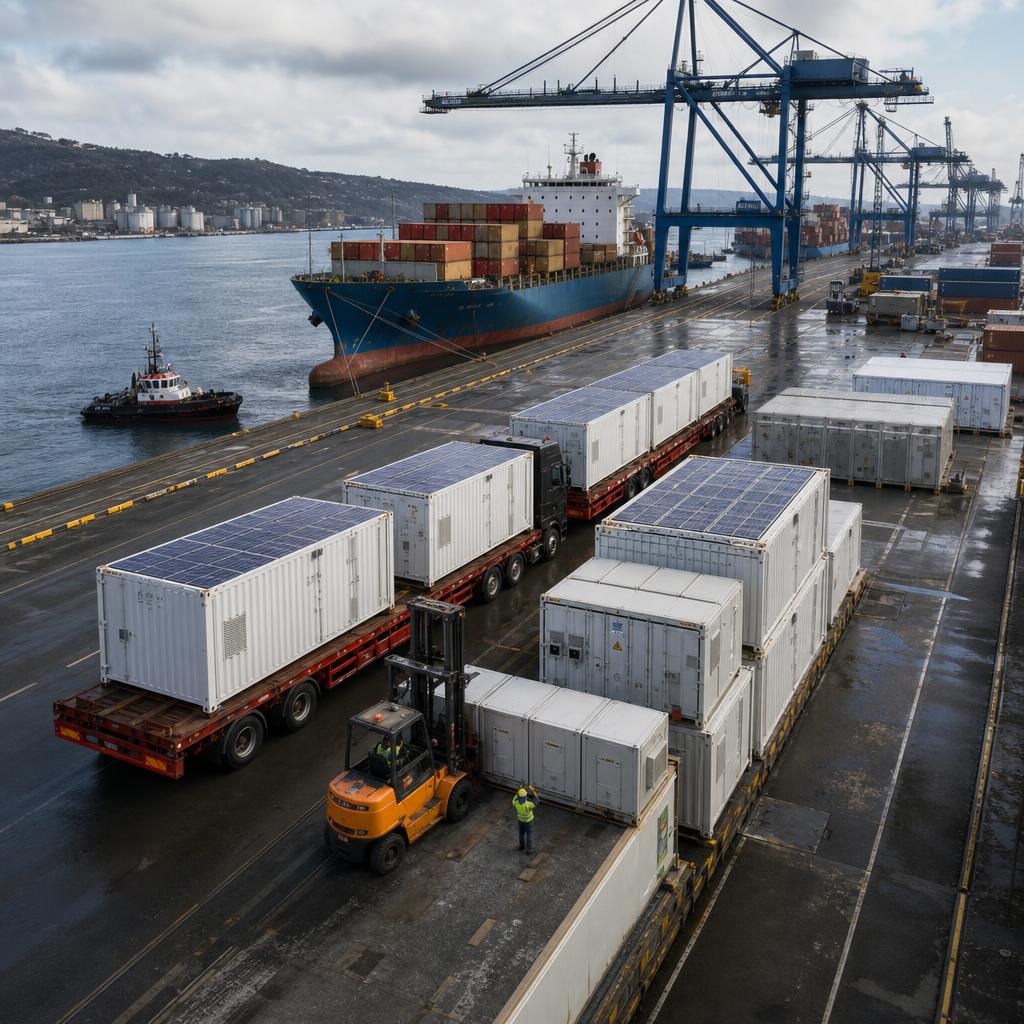
Quality and logistics oversight connect that agreement to installation. Depending on product risk, documentation review, sample approval, factory inspection, production monitoring and pre-shipment checks can expose non-conformities while corrective action is possible. Keep the approved bill of materials and change history. Coordinate readiness dates, export papers and final delivery across factories so one missing component does not strand an otherwise complete package. Delivery visibility is useful when it reaches project managers early enough to resequence crews and give customers accurate information.
OGMA can coordinate documentation, logistics and continuing contact with manufacturers, supporting technical queries, fault evidence, warranty escalation or replacement arrangements after delivery. Installers should retain serial-number and commissioning records and define who owns customer communication and each escalation. The trade-off is clear: external sourcing and quality coordination can add capability without building a large team in every market, but responsibility, service expectations and contractual remedies must still be explicit.
Executives should review which components delay completion most often, the cost of those delays, which specifications are standard, what buffer stock is justified and who owns an exception from factory to site. Growth should be matched to evidence of supply performance, not sales targets alone. With disciplined forecasting, qualified suppliers, controlled specifications and coordinated logistics, installers can scale with better visibility. OGMA’s role is to connect European demand with capable manufacturers and technology partners at source, supporting procurement that enables rather than constrains growth.

0 Comments