


A recent visit to one of Ireland’s largest residential solar and battery installers exposed a supply-chain constraint behind a substantial installation operation. The company fits systems across hundreds of new-build estates annually, yet inverters were arriving weeks late and battery modules were backordered without clear lead-time visibility. Crews risked being left idle while homeowners waited. One absent component can unsettle site sequencing, labour utilisation, customer handover and cash conversion across several jobs.
The installer had built strong delivery capability on the back of Ireland’s government solar grant scheme, but procurement ran through European distributors, adding cost, delay and limited visibility. Shortages sometimes became apparent only in the week before installation. At that point, there is little time to resequence work, qualify an alternative or give customers a dependable update. A booked job is not necessarily a complete equipment package, so order status and product availability need to be connected to installation dates.
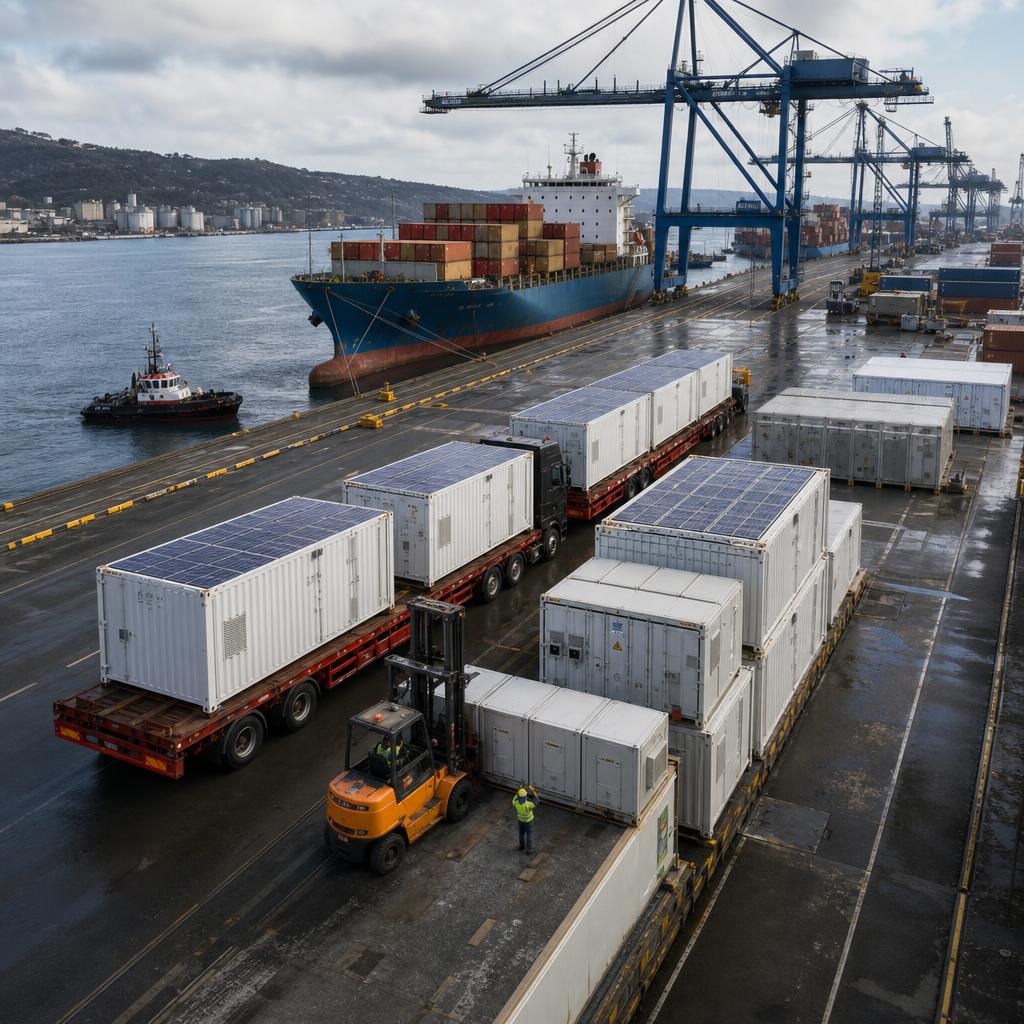
OGMA is partnering with the installer to change its procurement and supply-chain management. From its Shanghai base, OGMA is taking direct responsibility for procurement, building relationships with Tier-1 manufacturers, holding strategic buffer stock and providing real-time visibility into production schedules and shipping timelines. The intended result is a more predictable, lower-cost supply chain that helps crews stay productive and customers receive better service. Those are the objectives of the arrangement, not a claim that a measured outcome has already been achieved; performance depends on agreed specifications, delivery milestones, stock policies and service responsibilities.
The executive implication is to plan sales and delivery capacity as one system. More orders increase exposure to lead-time variation, while fragmented purchasing information can hide a shortage of one model or compatible accessory behind an apparently adequate aggregate stock position. Direct sourcing may improve access to production information and reduce intermediary layers, but does not automatically guarantee lower total cost or remove risk. Compare product cost with freight, insurance, applicable duties, inspection, inventory financing and buffer-stock expense. Clarify responsibility for compliance, import documents, late delivery, defects and warranty claims.
Start a change programme with a component-level diagnosis. Record which items caused delays, affected jobs and the resulting costs in idle labour, rescheduling, storage, customer contact and expedited transport. Distinguish production constraints from distributor allocation, weak forecasting, model changes and inadequate shipment information. Without that diagnosis, a new purchasing channel may replicate the old planning failure in a different location.
Then establish a controlled demand and product plan. Specify approved models, system compatibility, relevant certifications and who can approve substitutions. Keep forecasts separate from firm orders. Decide which items warrant buffer stock based on lead-time variability, value, shelf life, likelihood of product revision and the impact of a shortage. Stock can protect continuity, but it ties up cash and may become unusable if specifications change; assign an owner and clear replenishment and release rules.
Supplier qualification should examine the production line and order, not just the brand. Review factory capability, capacity, quality controls, technical documentation, certifications and the entity responsible for warranties. Confirm production milestones, change control, inspection rights and shipment evidence. A Tier-1 label is a starting point, not proof that a specific supplier can deliver the required configuration and support the destination market.
Make visibility actionable. Status updates on production readiness, shipping, documents, expected arrival and exceptions need to reach operations early enough to change the plan. Set out who checks them and escalates variances. If a shipment slips, decide whether to reallocate stock, resequence a site, use an approved alternative or inform a customer. A dashboard does not resolve unclear decision rights. Purchasing, warehouse teams, project managers, sales and customer service should work from the same availability picture; a homeowner’s installation date should reflect allocation of all critical components, not merely a placed purchase order.
OGMA offers ongoing supply-chain oversight and direct procurement to solar and battery installers, EPC contractors and project developers worldwide. In this case its work includes sourcing, manufacturer relationships, strategic buffer stock and production and shipping visibility; more generally, its Shanghai team can support qualification and logistics. A partnership is most useful when the installer retains clear product and acceptance requirements, while responsibilities, service expectations and remedies are explicit. Preserve serial-number, commissioning and supplier records after delivery so technical and warranty questions remain traceable.
Executives can test readiness by asking whether every scheduled job has fully specified and qualified equipment, confirmed allocation, a credible delivery window and an owner for exceptions. They should also know which components most often delay completion and whether the proposed buffer stock is justified by the cost of disruption. The experience of an installer serving hundreds of new-build estates shows how a supply-chain weakness can constrain an otherwise capable operation. OGMA’s involvement is designed to bring factory relationships, procurement, stock and visibility closer together so that growth is supported by a supply plan rather than undermined by uncertainty.


0 Comments