

Gas turbines and peaking plants can provide dispatchable capacity when weather changes, demand peaks or a connection is constrained. As solar and wind expand, that flexibility may support reserves and system stability, but it is not a substitute for the energy transition. For executives, the relevant question is whether a particular plant answers a defined system need at acceptable cost and risk, considering its operating role, emissions, fuel exposure, delivery schedule and long-term support.
Define the duty before selecting equipment. Establish expected start time, ramping, frequency and duration of dispatch, minimum stable output, availability expectations and fuel arrangements. A unit suited to intermittent peaking is not automatically appropriate for sustained operation. Nor does nameplate output alone demonstrate value: site conditions, controls, connection capability and the wider system requirement determine what the plant can deliver. The operating case should distinguish technical capability from commercial assumptions about utilisation or revenue.
Timing was a central concern in April 2026. Major manufacturers were carrying long lead times for new turbines, with factory capacity, component availability and commissioning windows affecting programme certainty. A project schedule must include more than the stated manufacturing duration. Engineering definition, site preparation, permitting, grid interfaces, fuel infrastructure, testing and commissioning can all affect when a plant becomes usable. Equipment delivered to site is not yet operational capacity. Developers should map dependencies and identify which dates are supplier commitments, estimates or project targets.
Re-conditioned turbines may shorten the path where equipment condition and project fit are established. The choice is not simply used versus new: assess inspection and overhaul scope, operating and maintenance history, remaining life, controls, auxiliary systems and access to spares and qualified service. The potential schedule advantage must be compared with the effort to verify and adapt the asset. Prior operation elsewhere does not prove suitability for a new duty profile, site or local requirements. Require engineering review and written evidence before relying on performance claims.
Fuel and emissions belong in the initial screen. Confirm applicable environmental and permitting requirements for the specific site and proposed operating pattern; do not infer compliance from a model designation or previous use. Fuel availability, supply resilience and price exposure can affect both operating economics and dispatch decisions. They also need to be reconciled with the owner’s decarbonisation objectives and public commitments. Where future running hours are uncertain, test alternative utilisation cases rather than relying on one forecast.
Integration and service determine whether the plant can respond as intended. Review controls, protection, metering, communications and connection requirements. Allocate responsibility for control-system integration, functional testing, performance acceptance and fault response across supplier, engineering partners and site contractor. Planned maintenance and forced-outage assumptions should be consistent with any reserve role. Nominal availability offers little assurance if necessary parts or qualified support cannot be accessed when required.
Compare lifecycle exposure, not just purchase price. Include equipment, refurbishment or installation scope, transport, site works, fuel infrastructure, connection, commissioning, maintenance, overhauls, spares and eventual decommissioning. A new unit may offer a clearer service horizon but take longer to procure; a re-conditioned one may be available sooner but require deeper diligence and have a different remaining-life profile. Neither is inherently superior. Schedule, duty cycle, serviceability and risk allocation determine the appropriate choice.
Before commitment, ask the team to document the system need and response; operating profile and fuel assumptions; new-build and re-conditioned alternatives; condition and performance evidence; emissions and permitting assessment; grid and control interfaces; maintenance, parts and warranty responsibilities; commissioning milestones; and sensitivities to utilisation, fuel cost and delay. Contracts should clarify acceptance tests, data access, defect processes and responsibility for unresolved interfaces. Risks that cannot be transferred should be visible in contingency planning.
The trade-off is between flexibility and exposure. Dispatchable capacity can support reliability and renewable integration, yet changing system needs may leave the owner with fuel-price, emissions, utilisation and asset-life risks. Low running hours may limit variable costs but leave fixed costs spread across little output; greater use may improve utilisation while changing maintenance requirements and environmental impacts. A project should test different cases and avoid treating the plant as guaranteed revenue or a universal answer to network constraints.
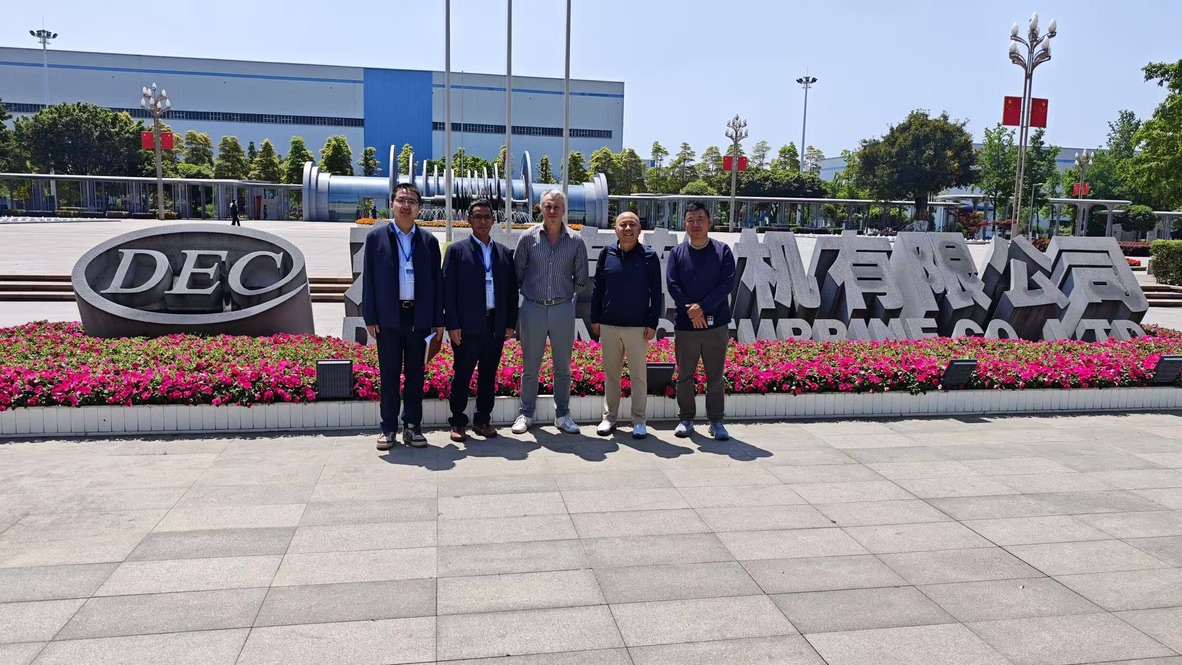
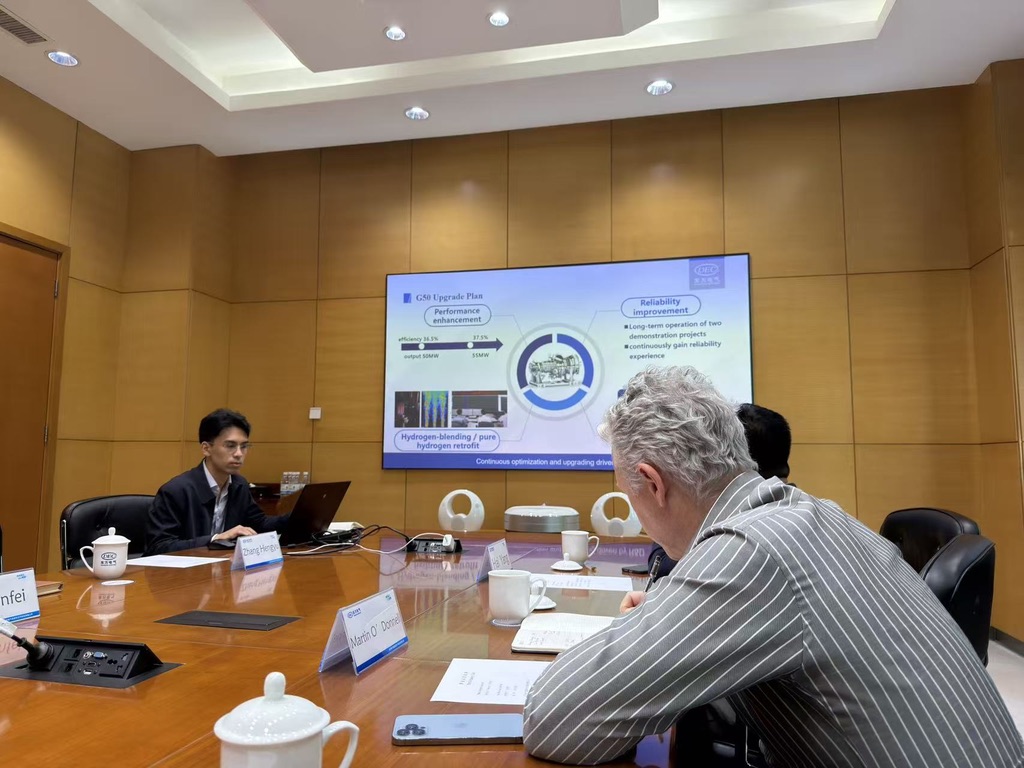
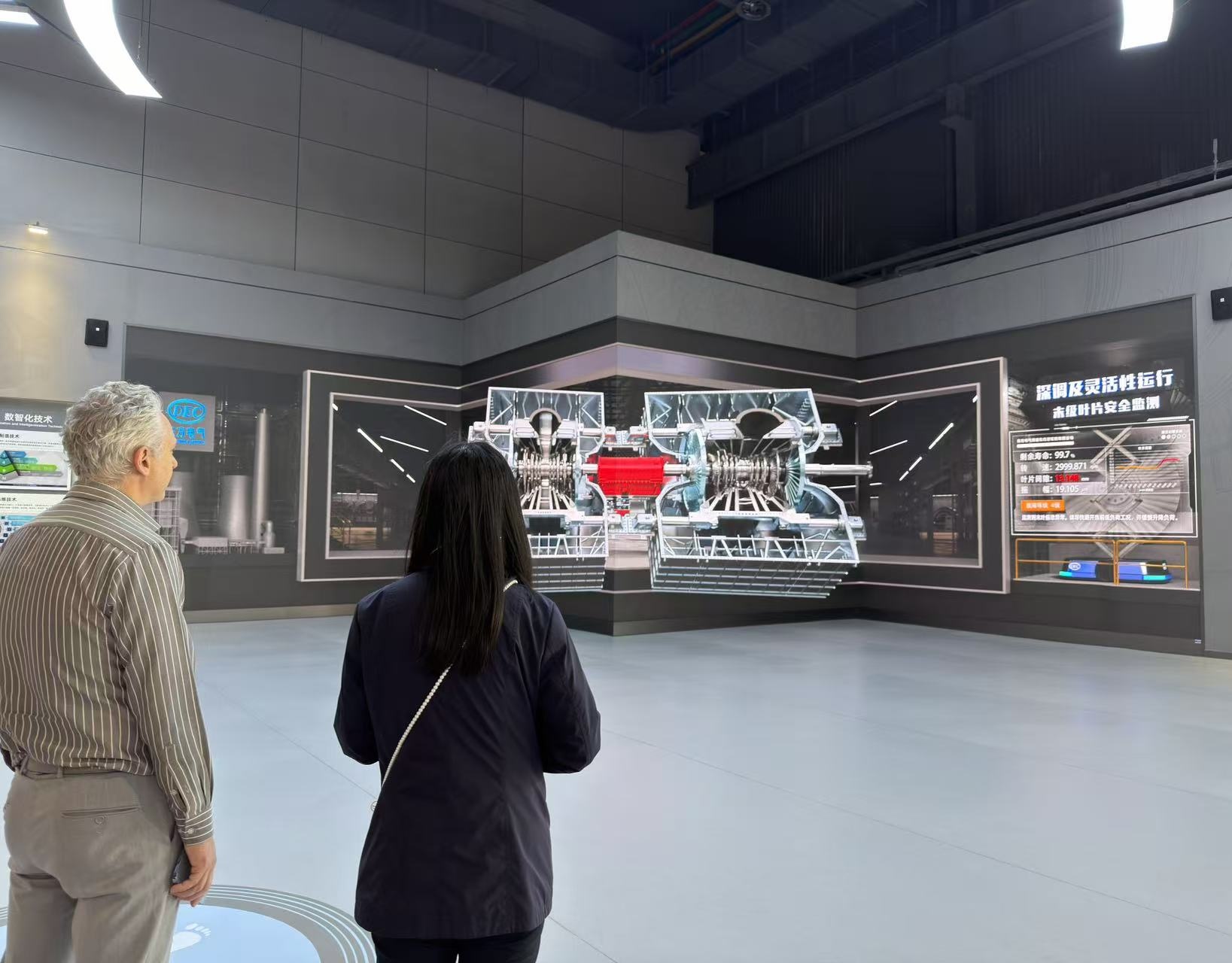
OGMA CEO Martin O’Donnell is working with Chinese manufacturers and engineering partners as they add supply capacity for this part of the new-energy mix. OGMA’s relevant opportunity is to support qualification and delivery options, not to declare any machine suitable before technical and commercial review. Supplier capability, documentation, equipment condition and delivery responsibilities should be assessed against a defined project requirement.
The executive takeaway is to procure flexibility as a complete, site-specific capability. Nameplate output and a delivery date are only starting points. A sound decision connects the system need to a qualified asset, feasible connection, realistic commissioning plan, clear operating and emissions assumptions, and long-term support. This keeps the role of peaking generation explicit as lower-carbon capacity grows and prevents schedule pressure from becoming a reason to accept unexamined technical or commercial risk.

0 Comments