


Europe’s ambition to strengthen clean-technology manufacturing is strategically important, but it does not remove the immediate commercial reality facing solar buyers: installers still depend on global supply chains for affordable equipment at volume. The executive decision is not simply “local or imported”. It is how to build a resilient supplier portfolio that supports credible European capacity where it fits, retains competitive international options, and protects project schedules from an over-concentrated or untested vendor base.
Imported supply remains important because global manufacturing provides breadth, established product ranges and access to competitive scale. For an installer or developer, removing that source without an equivalent replacement could raise costs, narrow product choice or postpone procurement. Conversely, relying on a single overseas source may expose a programme to transport disruption, changing production priorities, currency movements or limited recourse when a shipment is late. Neither geography eliminates risk. The practical objective is to understand which risks are material for a particular portfolio and to avoid substituting one unexamined dependency for another.
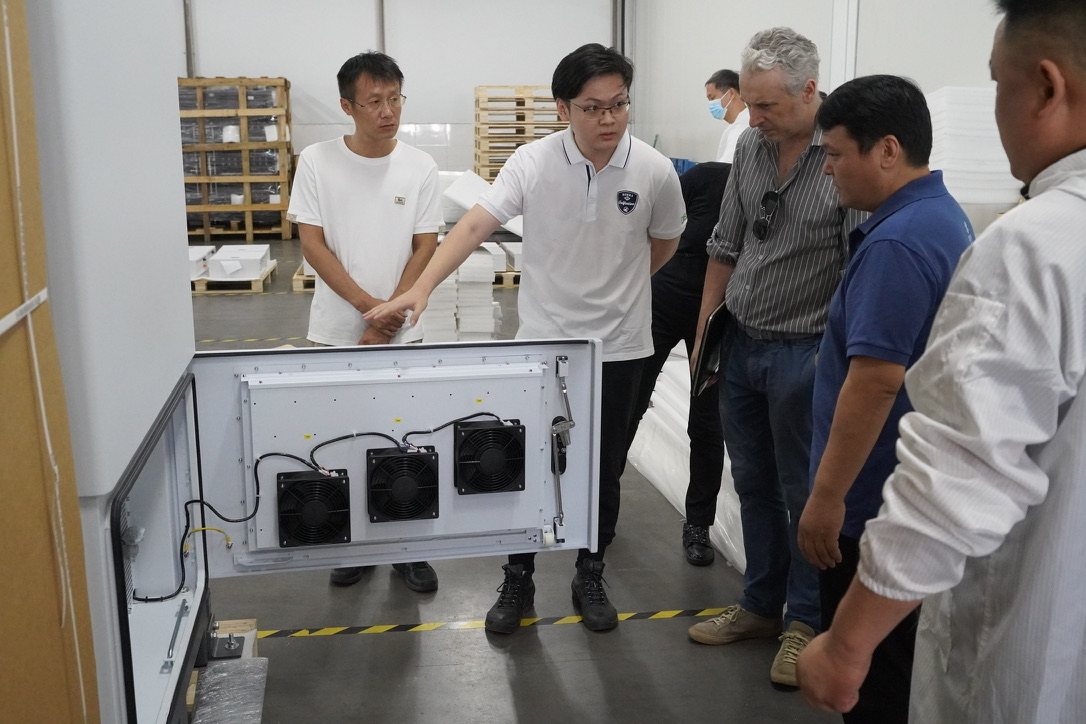
Executives should distinguish announced capacity from capacity that is ready to serve their project. A factory proposal, expansion plan or headline nameplate figure is not the same as proven production, available allocation or a confirmed dispatch window. Procurement teams should ask which facility will make the ordered goods, whether the line is operating, how output is allocated between customers, and how the manufacturer manages changes to components or specifications. They should seek supporting records such as relevant certifications, product test evidence, quality-control procedures, inspection access and shipment documentation, rather than relying on a presentation or general corporate profile.
A balanced sourcing strategy begins with a common technical specification. Compare modules on the characteristics that affect design and performance, including dimensions, electrical parameters, mechanical loading, degradation assumptions, compatibility with the selected inverter and mounting system, and required certification. Any approved alternative should be checked against the same project design and acceptance criteria. If product substitutions are allowed, define who reviews them and how the change is recorded. Otherwise, a seemingly minor variation can create redesign work, complicate warranty claims or disrupt installation sequencing.
Commercial comparison should use a delivered and usable cost, not only the quoted unit price. Include freight, insurance, import-related costs where applicable, warehousing, handling, inspection, financing of inventory and the cost of holding stock. Then assess the consequences of a missed delivery window: idle crews, rescheduling, incomplete customer work, delayed commissioning or exposure under the buyer’s own commitments. A lower offer may still be attractive, but its value depends on whether it reaches the site in the required condition and time. Equally, a premium for regional sourcing should be linked to a specific benefit the project values, not assumed to guarantee better performance.
Supplier qualification should address the organisation behind the product as well as the technical datasheet. Review financial resilience, manufacturing quality systems, traceability, service arrangements, warranty wording and the practical route for escalating a defect. Ask how claims are evidenced, who pays for investigation or replacement logistics, and whether support remains accessible if the original sales contact changes. Warranty coverage can be difficult to realise when responsibilities, governing terms or the identity of the warranting entity are unclear. Legal and technical review should therefore happen before commercial urgency narrows the available choices.
A practical executive review can ask: What share of planned demand depends on each manufacturer and factory? Which products have been technically approved for each design? What evidence supports capacity and delivery dates? Are alternatives genuinely interchangeable? What are the total delivered costs and schedule consequences? Who owns supplier escalation, and what documents are required before dispatch, receipt and acceptance? Are customers and project teams being given realistic dates rather than best-case assumptions? These questions connect sourcing decisions with cash flow, delivery performance and customer confidence.
The main trade-off is between price, resilience and certainty. Paying more for an option that offers no verified advantage weakens project economics; optimising solely for the lowest bid can make the programme vulnerable to failure in supply or support. The best decision depends on project timing, technical requirements, the ability to carry inventory, financing expectations and the consequences of delay. Scenario planning can help: compare an expected case with a delayed shipment or unavailable allocation, and identify what operational response is feasible without presenting the scenarios as forecasts.
For OGMA, the relevant contribution is supported by its role in connecting clients with manufacturers and helping assess product, factory and procurement requirements. That work can help buyers move from a broad sourcing preference to a documented qualification process and realistic supply plan. Europe’s manufacturing ambitions may strengthen future choice, but project teams in early 2025 still needed dependable access to global equipment. A pragmatic portfolio—qualified rather than merely diverse, and commercially assessed rather than rhetorically local—is the sound basis for procurement.

0 Comments