

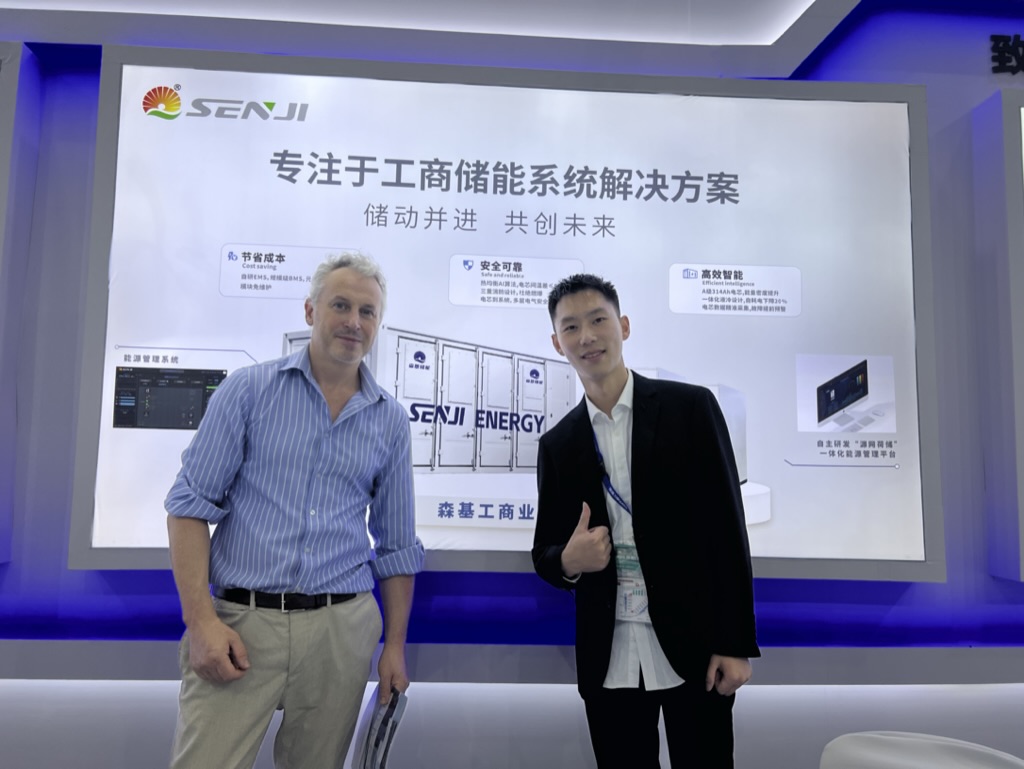
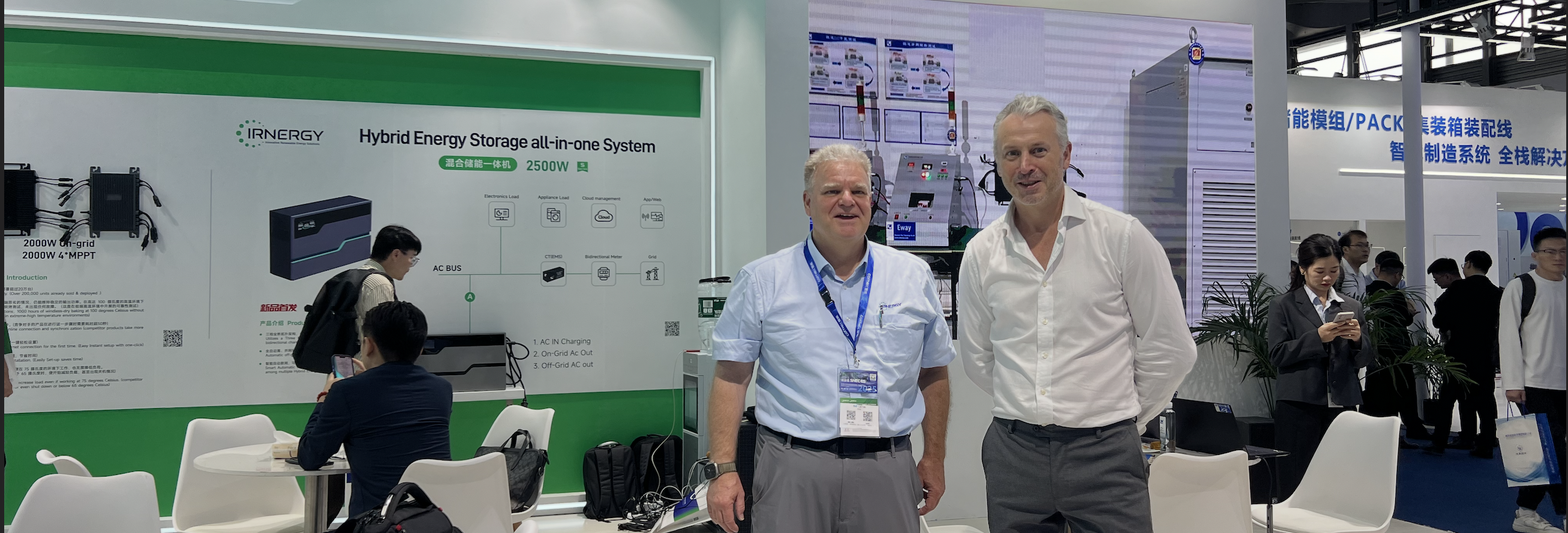

OGMA attended Shanghai’s battery energy-storage exhibition in September 2024 to meet manufacturers, technology providers and prospective delivery partners. The conversations reflected a strategic shift: storage was no longer treated simply as an optional addition to solar or wind. It was becoming a system-level tool for matching variable generation with demand, managing network constraints and supporting reliable electricity supply. For executives, flexibility must be assessed early, alongside generation, connection and route-to-market decisions.
Wind and solar output varies with weather and time of day. Batteries can absorb electricity when it is available and release it later, provide rapid response services, and in some circumstances reduce curtailment or ease local congestion. These capabilities depend on location, connection rights, control systems and market access; storage cannot remove every network constraint, and a battery behind a constrained connection may itself face operating limits.
Systems displayed in Shanghai ranged from residential and commercial all-in-one units to containerised systems, power-conversion equipment, battery-management systems, thermal management, fire protection and dispatch software. Grid-forming platforms illustrated a potential role supporting voltage and frequency behaviour in systems with substantial inverter-based generation. Buyers should establish which capabilities are required by the network operator, what evidence demonstrates them and whether they are included in the offered configuration.
Commercial and industrial customers can evaluate storage against specific needs: reducing peaks where tariffs reward it, shifting consumption between price periods, improving use of on-site solar or providing backup. Each has conditions. Peak reduction depends on load shape and tariff design; price arbitrage depends on spreads, losses and operating constraints; backup requires suitable isolation and a clear view of which loads must remain energised. A battery committed to one use may not be available for another at the same time.
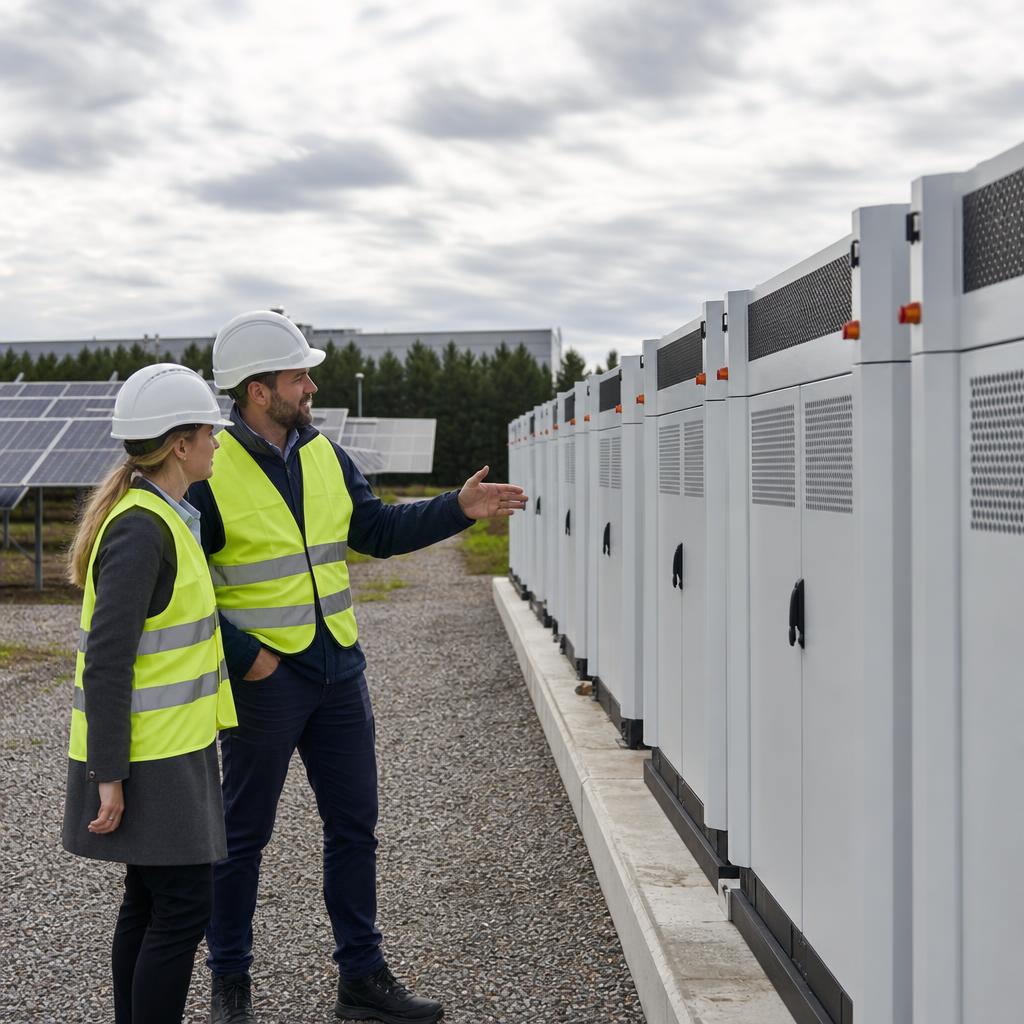
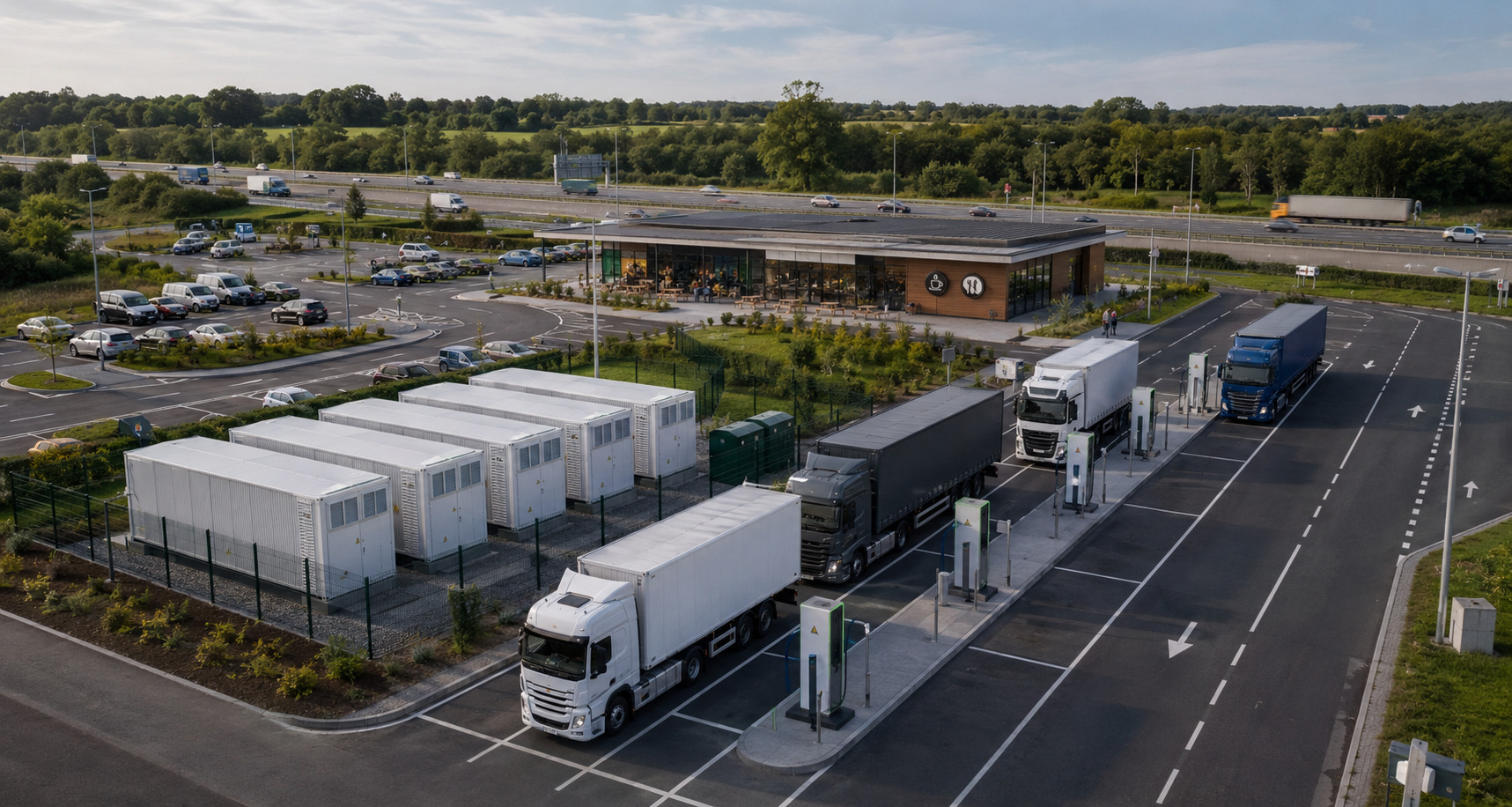
For utilities and developers, larger systems may participate in balancing markets, support renewable integration or contribute to network flexibility. The business case should distinguish contracted income from merchant exposure and test how dispatch, degradation, availability and market rules interact. Revenue streams should not be added together if they compete for the same energy, power capacity or operating hours. Conservative scenarios can test viability when a service is unavailable or prices differ from expectations.
At the exhibition, OGMA engaged with multiple prospective collaborators and partners. Discussions covered cell selection and traceability, system architecture, cycle life, degradation, warranty, thermal management, fire safety, certification, energy-management software, communications, grid compliance and after-sales support. Buyers should ask who integrates each subsystem, who owns interface risks, what tests demonstrate performance and how faults are resolved after commissioning.
Efficiency matters because conversion losses and auxiliary loads reduce energy available to the customer. Cell chemistry, inverter performance, cooling demand and control strategy influence round-trip efficiency and operating cost. A low purchase price can be offset by lower usable energy, downtime or faster degradation. Compare products on usable rather than nominal capacity, warranted operating conditions and measured system-level efficiency, with consistent duration, power and temperature assumptions.
A whole-life assessment includes equipment, installation, grid connection, commissioning, maintenance, insurance, augmentation and end-of-life obligations, alongside realistic revenues. Sensitivity analysis should test lower utilisation, weaker price spreads, delayed energisation and replacement costs. Investment decisions should reflect downside resilience as well as a central case.
Safety and bankability are equally consequential. Buyers need evidence on cell quality, thermal-event detection, propagation mitigation, system isolation and emergency procedures. Align requirements with applicable standards and site authorities rather than relying on a brochure. Review warranty scope, exclusions and remedies, as well as software support, cybersecurity responsibilities, spare-parts access and supplier capacity.
A practical review asks: What problem is storage intended to solve? Is there a viable grid connection and market pathway? Do use cases conflict? Are performance and safety claims evidenced? Is responsibility clear from integration through service and replacement? Procurement can then define requirements, qualify suppliers, review manufacturing and documentation, compare commercial terms, and verify commissioning tests.
OGMA’s work connects project requirements with manufacturers through supplier qualification, technology comparison, due diligence, documentation and procurement support. The value is translating operating and commercial needs into verifiable specifications and delivery checks. The Shanghai exhibition reinforced that storage can strengthen renewable systems when technical design, commercial case, safety and long-term support are treated as one decision.

0 Comments