

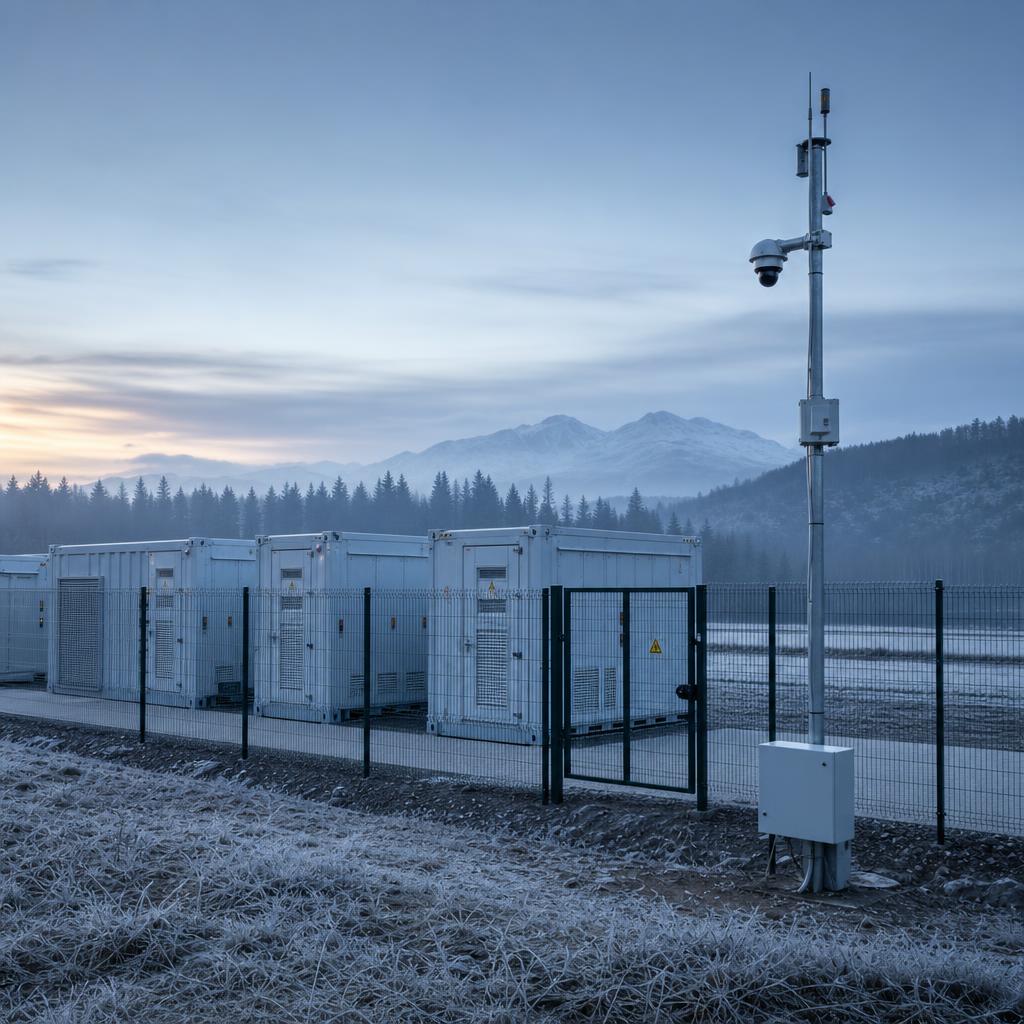
A battery project entering a European winter should be judged on operating readiness, not just installed megawatt-hours. In October 2024, buyers were reviewing thermal management, fire detection, emergency response, remote monitoring and spare-parts availability alongside capacity. The priority is to identify what could prevent safe operation or delay return to service in cold, wet conditions, then close those gaps before energisation. A low initial price offers little value if missing components or unclear procedures leave an asset unavailable.
Battery performance and permissible charge and discharge rates depend on cell temperature and manufacturer limits. The battery management system should monitor temperature and enforce constraints; heating or cooling must suit site conditions. Auxiliary energy reduces net energy available. Review operating ranges, thermal-control logic, alarms and commissioning evidence rather than assuming the container’s exterior rating guarantees suitable cell conditions.
Assess the actual location: ambient temperature, wind, humidity, snow or ice, flooding risk and access vary. Equipment protection and drainage should match the site. At remote installations, winter access for technicians, emergency services and replacement deliveries may be slower; reflect this in maintenance plans, critical spares and procedures.
Owners should verify that fire detection, alarm transmission, isolation and suppression features are installed as designed and tested as an integrated system. The site emergency plan should define roles, escalation routes, safe access, shutdown and communication with local responders. A supplier manual is not a substitute for a site-specific plan, and staff should know how to report alarms and locate current instructions.
Remote monitoring does not replace operational ownership. Confirm which parameters are monitored, who reviews alarms and how escalation becomes a work order. Communications loss, sensor faults or software updates can interrupt visibility. Define fallback behaviour and restart authority, and manage remote access, permissions and change control between owner, integrator, operator and software provider.
Winter readiness affects commercial performance. Thermal restrictions or persistent faults can reduce available power for energy shifting or market services. Understand dispatch commitments, availability obligations and warranty conditions together; do not push equipment beyond manufacturer limits to meet short-term revenue targets. Model auxiliary consumption conservatively and distinguish technical capacity from net output at expected temperatures.
Identify components whose failure could disable the system, including controls, power conversion, cooling and communications equipment. Establish lead times, compatible alternatives, storage conditions and warranty replacement processes. Holding every part locally can be uneconomic, but holding none can prolong outages. A criticality assessment supports a proportionate inventory; service agreements should clarify response processes and whether parts, labour and travel are covered.
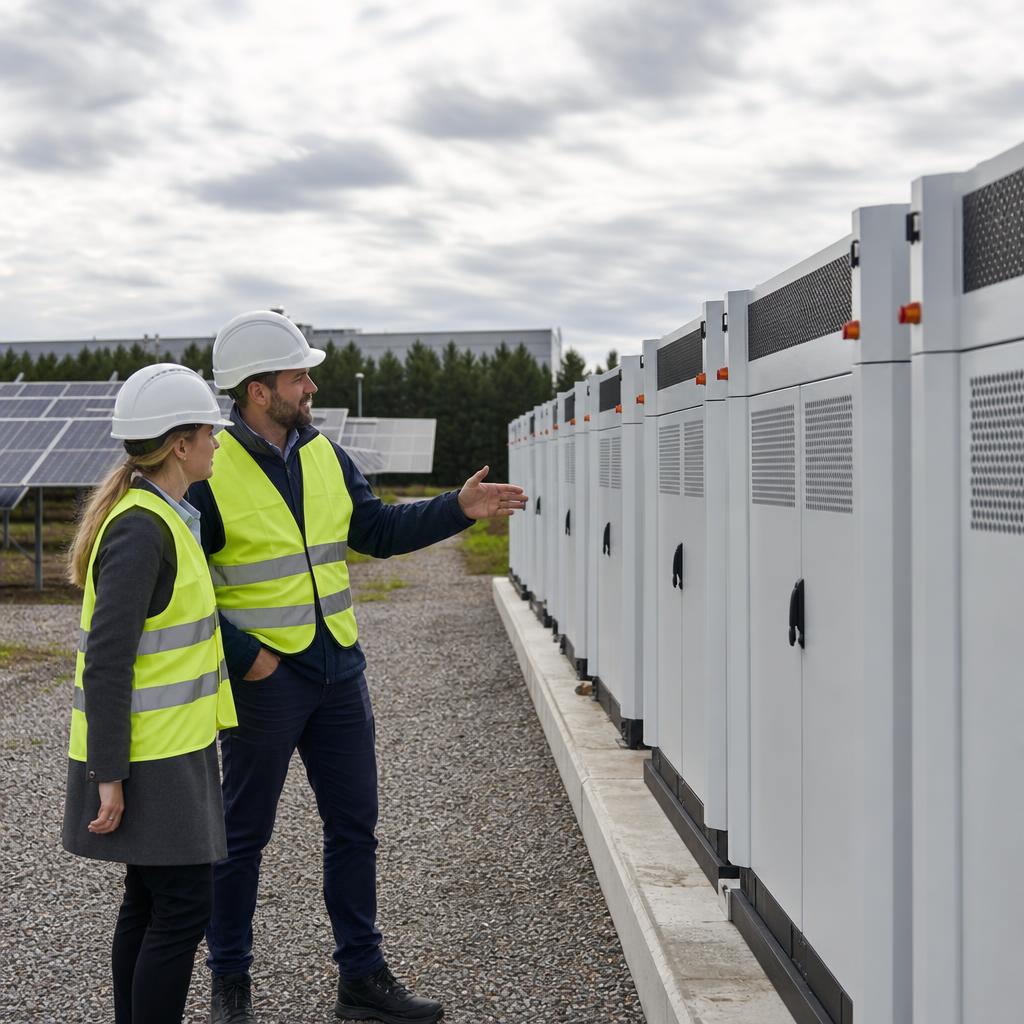
Before energisation, check that installation matches approved drawings; test protection, alarms, thermal systems and communications; verify firmware and configuration; document operating limits and restart procedures; approve emergency contacts and site plans; train operators; name monitoring and escalation owners; and list critical spares and supplier contacts. Acceptance should test system interfaces, not just individual equipment. Assign each open defect an owner and closure date, restricting operation if safety or compliance is unresolved. Retain signed test records and make sure operators can find the latest configuration and escalation details during an incident.
Carry these requirements into procurement and handover. Define performance measures, conditions and measurement boundaries, distinguishing warranties from forecasts. Clarify exclusions, agreed response times, diagnostic-data access, software support, updates, training and replacement processes. Assign responsibility across battery, inverter, thermal and control suppliers so that interface faults cannot fall between parties.
There are trade-offs: redundancy, monitoring, spares and service coverage raise cost, while excessive complexity can add failure points without proportionate protection. The right level depends on criticality, remoteness, revenue exposure and recovery options. A nearby service team may support a different inventory from a remote asset with availability commitments. Base decisions on credible failure modes, not feature accumulation.
OGMA’s relevance is supplier and equipment qualification, technical documentation and procurement coordination. This can make manufacturer capability, service assumptions and delivery schedules visible before commitment. Winter readiness is a practical test of whether safety design, operating plans and supplier arrangements work together. Preparing before cold conditions arrive supports safe operation, prompt fault response and realistic commercial expectations.


0 Comments