

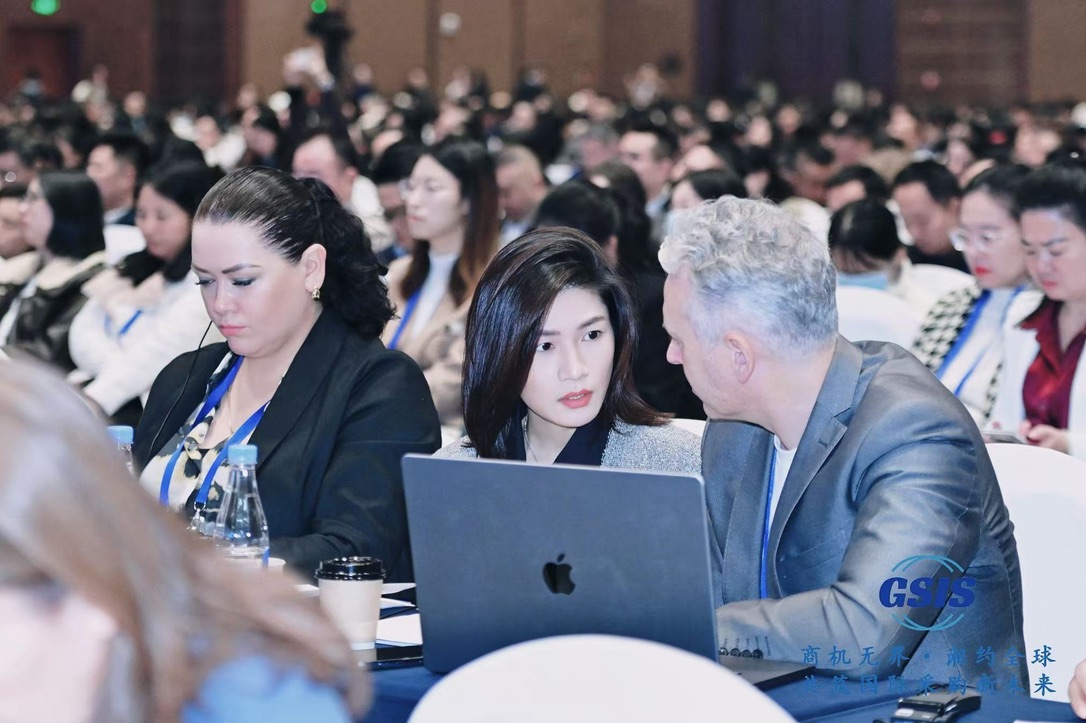
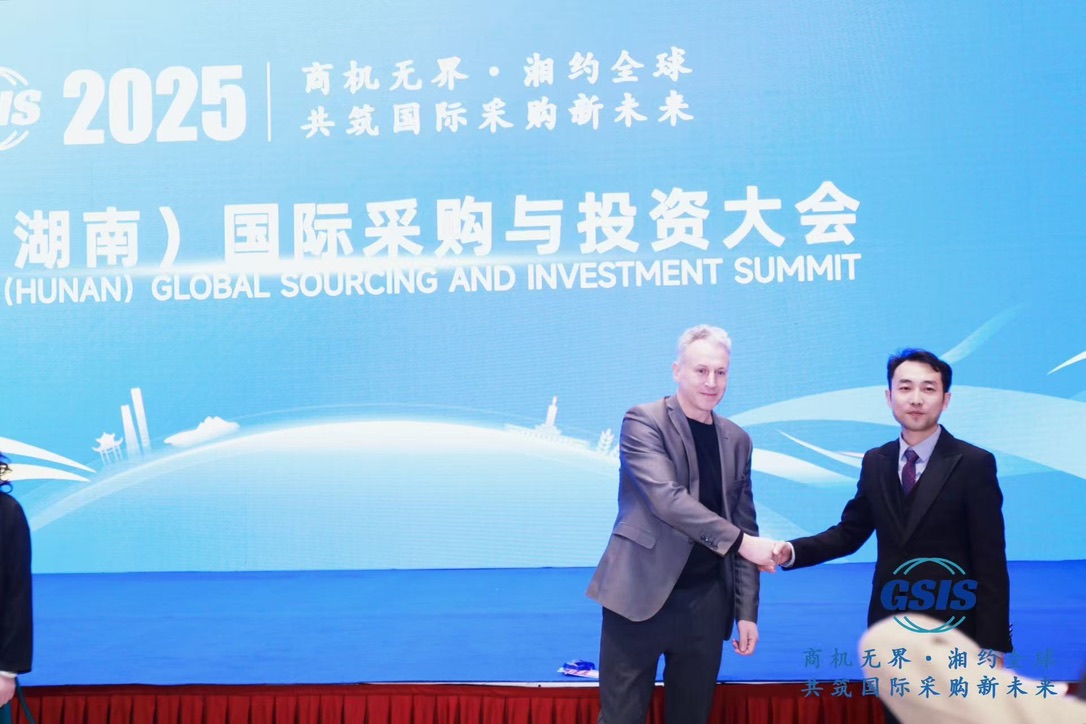
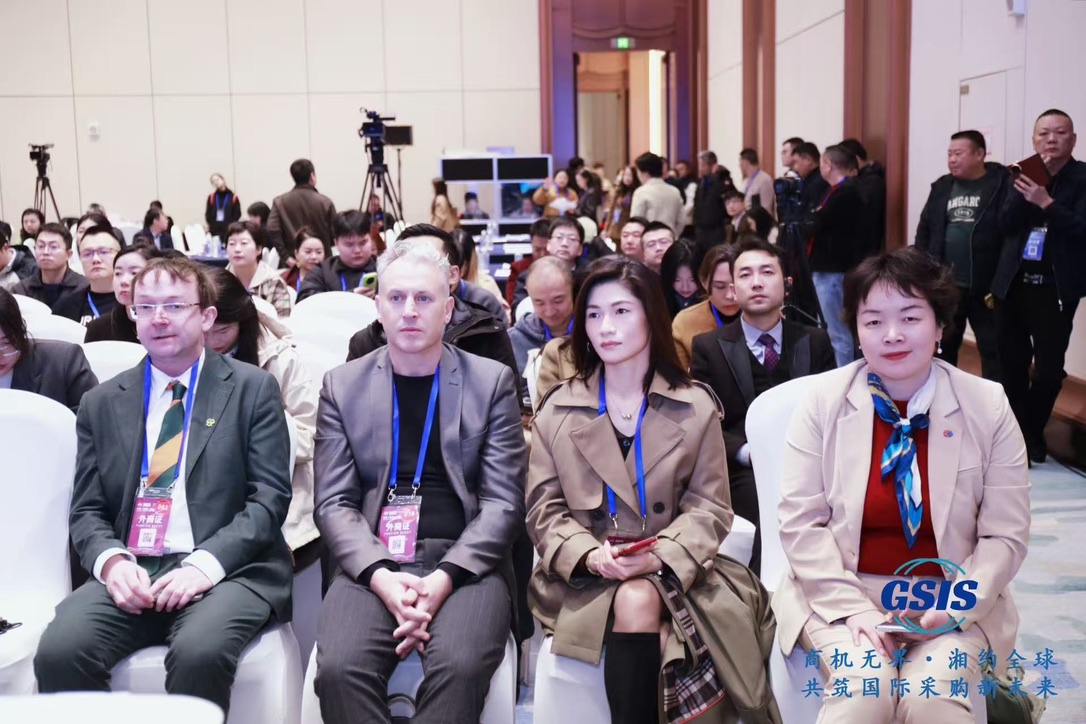
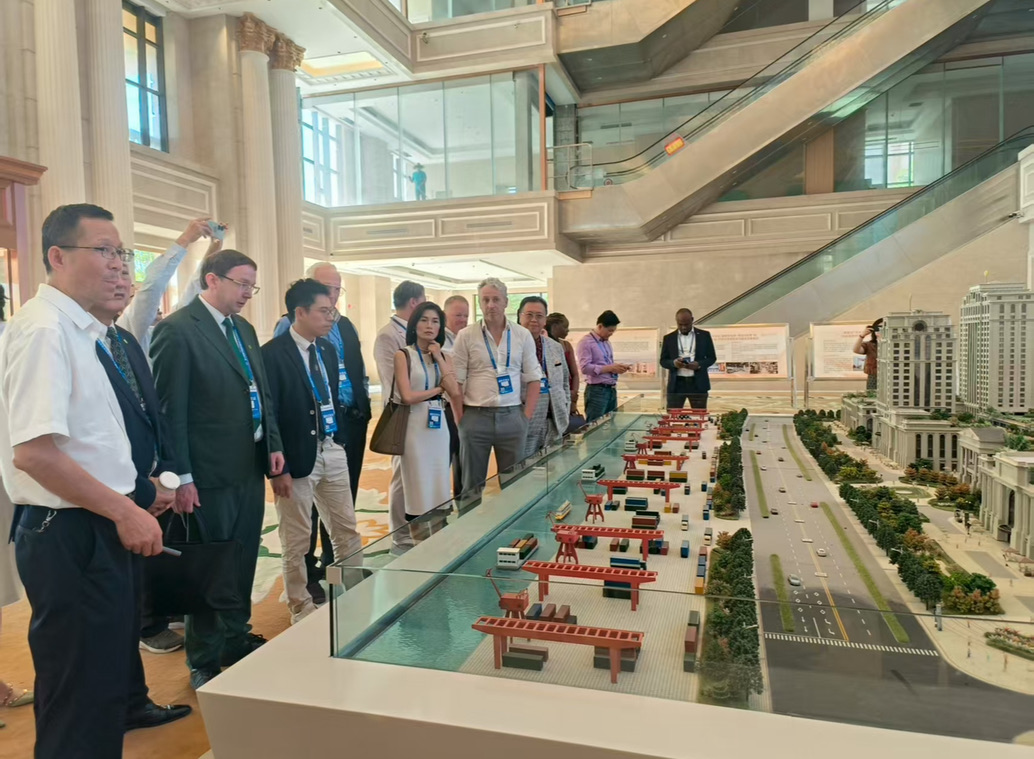
The commercial value of a sourcing summit is not the number of introductions made; it is whether a meeting can be translated into a qualified capability, a credible investment case or a deliverable cross-border project. OGMA was invited to the MOFCOM 2025 Hunan Global Sourcing and Investment Summit, where CEO Martin O’Donnell and COO Hannah Peng met manufacturers, technology companies, suppliers and investment funds. Their practical questions were what can be produced, at what quality, with what capital, and how quickly that capability can connect to an international project.
The summit also placed industrial upgrading in a policy context. The 2025 recommendations for China’s 15th Five-Year Plan, covering 2026–2030, identify directions that matter to international business: scientific and technological innovation; advanced manufacturing and new industrialisation; artificial intelligence, industrial software and digital infrastructure; semiconductors and other core technologies; high-end equipment, robotics and intelligent production; advanced materials and biomanufacturing; new energy, storage and clean-energy systems; future industries including commercial aerospace, quantum technology and the low-altitude economy; resilient logistics, modern infrastructure and supply-chain security; and high-standard opening-up, international investment and deeper technology cooperation.
These are strategic signals and areas for attention, not proof that every objective will be delivered or that every sector will produce an investable opportunity. Executives should translate broad themes into a specific commercial question. For example, a buyer considering energy storage can ask whether a prospective partner’s product, manufacturing process, service model and delivery capacity match an identified project requirement. An investor can ask whether the business has repeatable customers and a credible route to scale, rather than relying on a policy label as a substitute for commercial diligence.
Supplier qualification should begin with fit. The buyer defines technical requirements, target market, certification needs, volume profile, delivery location and service expectations; the supplier then demonstrates how its product and processes meet them. Useful evidence can include controlled specifications, test and certification documents, sample evaluation, factory processes, quality records, traceability, capacity planning and references that can be checked. A polished presentation may explain intent, but operational evidence demonstrates whether a capability can be relied upon.
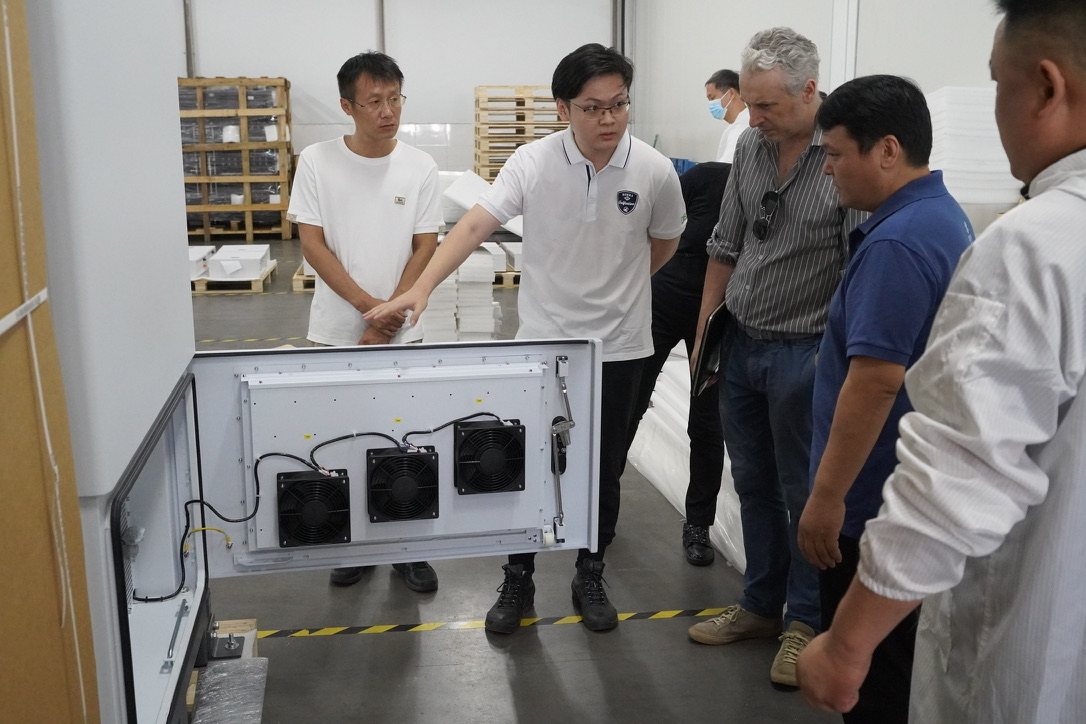
Factory assessment is particularly important when the proposed relationship extends beyond a one-off purchase. Buyers should understand what is made in-house, what is subcontracted, how engineering changes are approved, how non-conformances are contained and how production is planned. A site visit can reveal process and governance questions, but it is a point-in-time observation, not a guarantee of future quality. Findings should be documented, gaps assigned owners and any corrective action verified before the business relies on the capability.
Cross-border delivery also requires a clear commercial and technical operating model. Parties should agree specifications, accepted changes, responsibilities for testing and documentation, packaging, logistics interfaces, payment milestones and escalation routes. They need clarity on intellectual property, confidentiality and the information that may be shared, especially where design integration or software is involved. Legal, tax, customs and export-control questions should be addressed by appropriate advisers for the actual transaction and jurisdictions; a summit conversation cannot settle them.
Supply-chain resilience is not synonymous with shifting all purchasing to one alternative country or partner. Concentrating orders with a capable supplier can support coordination and scale, yet creates exposure to outages, logistics disruption, policy changes, currency movements and limited substitutability. Multiple sources may reduce concentration but add qualification, interface, price and oversight costs. Buyers should map critical components and test which disruptions matter to their operations, then decide where second sources, inventory, redesign or closer monitoring have a defensible value.
A disciplined follow-up process turns the summit’s breadth into decisions. Record the business problem and the contact’s role; separate verified information from claims; identify required evidence; agree a next step with an owner and date; and close the loop when no fit is found. For promising suppliers, progress from introductory discussion to technical screening, documentation review, factory assessment and a controlled pilot or project qualification as appropriate. For investment opportunities, define diligence questions and decision gates before significant commitments are made.
For OGMA, the summit’s relevance lies in its position between manufacturers, international buyers and project delivery. Its supported role is to identify capable manufacturers, understand where their ambitions match European demand, assess factories and documentation, and structure a route from initial contact to qualified supplier, investment opportunity or delivered project. The broader lesson is that China’s role in a supply chain should be measured through demonstrated value, reliability and technical responsibility—not a generalisation about price or national capability. Strategic partnership begins with evidence and grows through well-defined commitments.

0 Comments