


China’s 15th Five-Year Plan outline was approved in March 2026 for the 2026–2030 period. For international businesses, its signal is broader than a single target: China’s stated direction is towards a more capable industrial economy, creating technology, integrating complex systems, securing critical inputs and competing through higher-value products and services. Executives can use this direction to identify questions and opportunities, but a policy priority does not itself establish that a company or product is qualified, investable or dependable.
Ten areas deserve attention from OGMA’s perspective: 1) scientific and technological innovation; 2) advanced manufacturing and new industrialisation; 3) artificial intelligence, industrial software and digital infrastructure; 4) semiconductors and other core technologies; 5) high-end equipment, robotics and intelligent production; 6) advanced materials and biomanufacturing; 7) new energy, storage and clean-energy systems; 8) future industries including commercial aerospace, quantum technology and the low-altitude economy; 9) resilient logistics, modern infrastructure and supply-chain security; and 10) high-standard opening-up, international investment and deeper technology cooperation.
The first six priorities point towards emphasis on engineering, software, materials, process knowledge and intellectual property as well as production volume. Buyers may encounter suppliers offering specialised products, integrated systems or technical services rather than components alone. Verify each proposition against application-specific product documentation, process controls, quality records, capacity and after-sales support. A sophisticated factory or ambitious policy language does not establish reliability at the scale or conditions a buyer requires.
New energy and future industries include areas where technology and infrastructure needs intersect. Solar, storage, grid equipment and robotics involve interfaces and long operating horizons. Define the application before evaluating an opportunity, then assess integration, safety, performance evidence, certification and service. Emerging technologies can remain some distance from bankable deployment; manufacturing repeatability, warranties, spare parts and a credible support route matter alongside technical promise. A pilot can provide evidence, but does not prove performance at every site or volume.
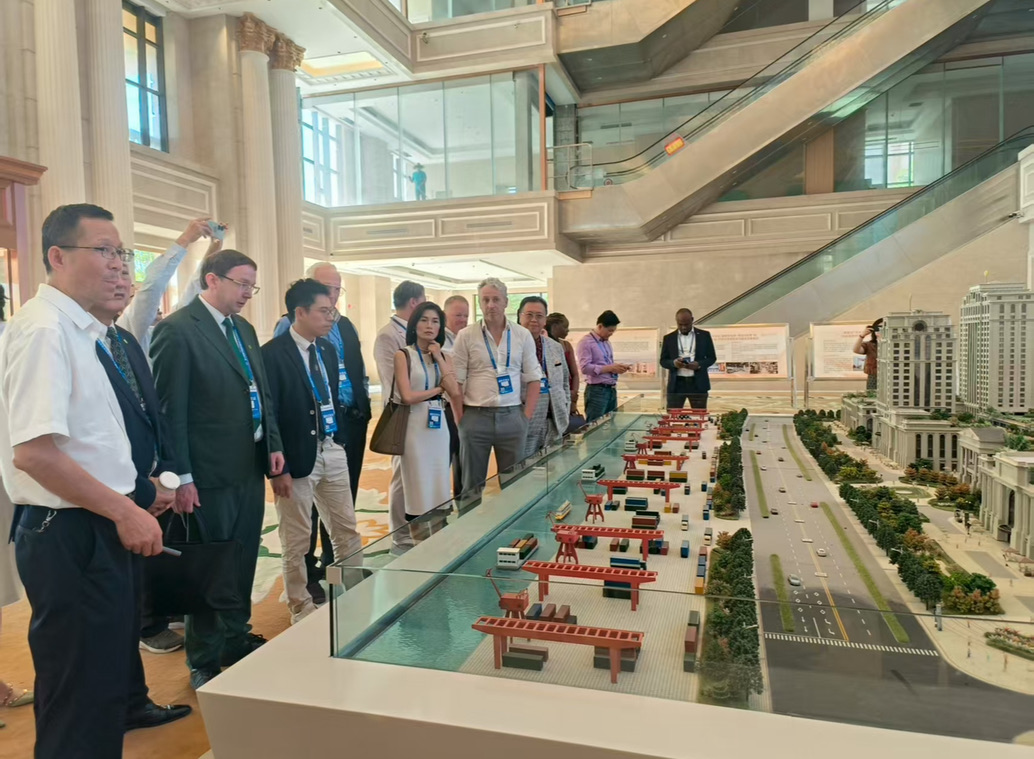
Resilient logistics and supply-chain security make continuity and traceability commercial questions; opening-up and international cooperation may create routes for partnership or investment. Neither removes cross-border friction. Buyers still need to assess market access, standards, intellectual-property ownership, data handling, import and export processes, currency exposure, payment security and enforceability. Specific rules depend on the transaction and jurisdictions involved, so obtain appropriate legal, compliance and technical review rather than inferring requirements from the plan.
The practical response is selective engagement, not wholesale supplier migration. Start with a defined business need, such as a performance gap, capacity constraint or technology requirement. Compare potential partners with existing sources using consistent criteria: technical fit, quality systems, production capability, delivery record, financial resilience, documentation, support, total landed cost and concentration risk. Separate verified facts from supplier representations, and preserve evidence and assumptions behind decisions. Apply the same standards regardless of origin.
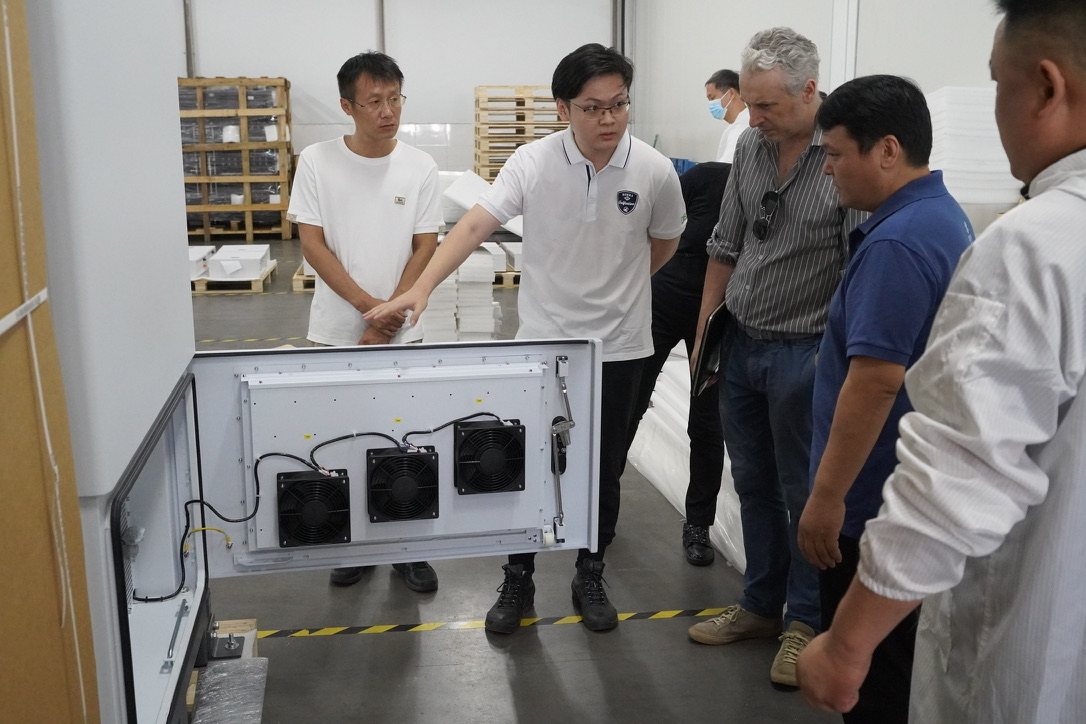
Qualification should go beyond a catalogue or introductory meeting. Identify the seller’s legal entity, manufacturing site, material components and subcontractors, intellectual-property owner, and party responsible for warranty and service. Review capacity and process controls for the product; independent inspection, testing or factory assessment may be appropriate to the risk. Such measures reduce information gaps but are not guarantees. Record the review’s scope and limitations, outstanding conditions and evidence required before commitment.
Partnership structures require diligence. Distribution, joint development, manufacturing, licensing and investment create different rights and obligations. Clarify decision authority, any exclusivity, ownership and use of technical information, quality responsibilities, acceptance criteria, payment milestones, remedies and exit routes. A handshake or broad memorandum does not settle operating details. Match contract and governance to the cooperation model and obtain appropriate advice. Staged commitment can limit exposure where uncertainty remains.
OGMA’s stated focus is where these priorities meet practical international demand. Its robotics and AI work connects European customers with automation and intelligent manufacturing capability; renewable energy, BESS, grid and flexible-generation activities relate to the new-energy transition. Interest in advanced materials, modular building and high-end equipment reflects attention to system performance. Procurement and project-delivery services address qualification, documentation, logistics and commercial coordination. An intermediary’s value depends on defined scope, evidence and accountability, and should complement rather than replace a client’s approvals and diligence.
Executives can turn the plan into a review: Which areas matter to our strategy? What unmet requirement could a partner address? What evidence would demonstrate capability at the required scale? Are continuity, intellectual property, compliance and support understood? Could staged procurement test the case without disproportionate dependency? Who approves the decision, and what would trigger a stop or change of course? The plan points to capability, integration and resilience as priorities, but is a lens for evaluation, not a guarantee of access, performance or commercial return.

0 Comments